Cape Coast Castle

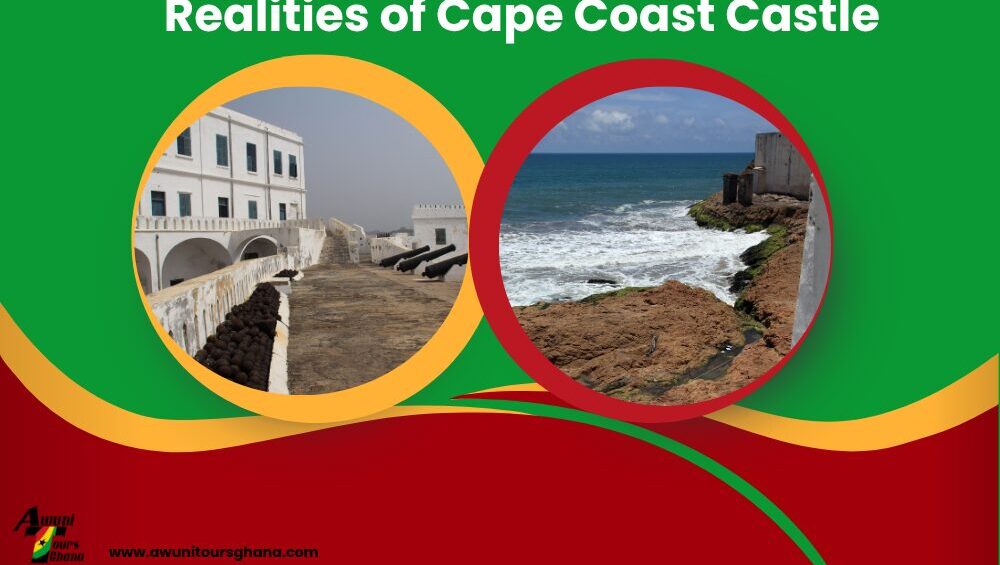
Realities of Cape Coast Castle

Cape Coast Castle stands as one of the most significant and stark material records of transcontinental trade, colonial warfare, and human exploitation in West Africa. Located in the central region of Ghana, Cape Coast Castle is not merely an ancient building or a static tourist stop; it functions as a profound educational monument that bridges a painful global past with a deeply conscious present. For travelers, historians, and members of the global African diaspora, exploring the history of Cape Coast Castle provides an unvarnished look at how European commercial rivalries altered the course of global history and how modern Ghana preserves this memory to foster international reconciliation.
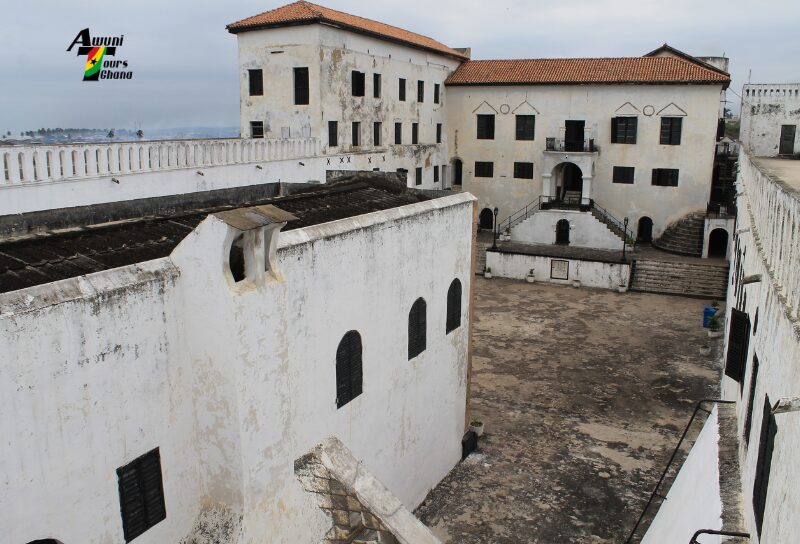
Cape Coast Castle 1

The Architectural Evolution and Colonial Rivalries of Cape Coast Castle

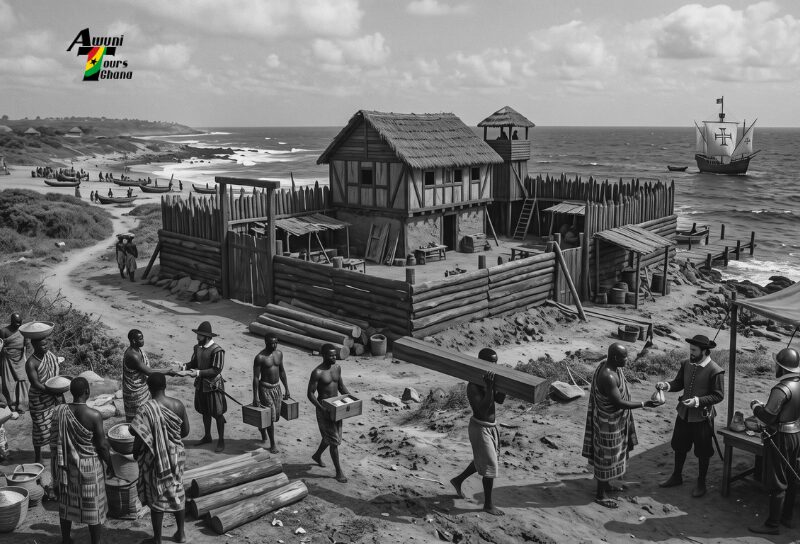
The physical layout of Cape Coast Castle reflects centuries of shifting geopolitical power between competing European nations. The initial structure on the site was a small timber trading post established by the Portuguese in the sixteenth century, primarily used for purchasing gold and timber from local merchants.
Cape Coast Castle

However, the strategic value of the coastline quickly drew the attention of other European powers. The Swedish Africa Company erected a grander timber fort in 1653, naming it Fort Carolusburg. Over the next decade, control of the site bounced rapidly between the Swedes, the Danes, the Dutch, and local Fetu chiefs, each modifying the fortification to secure a monopoly over regional trade.

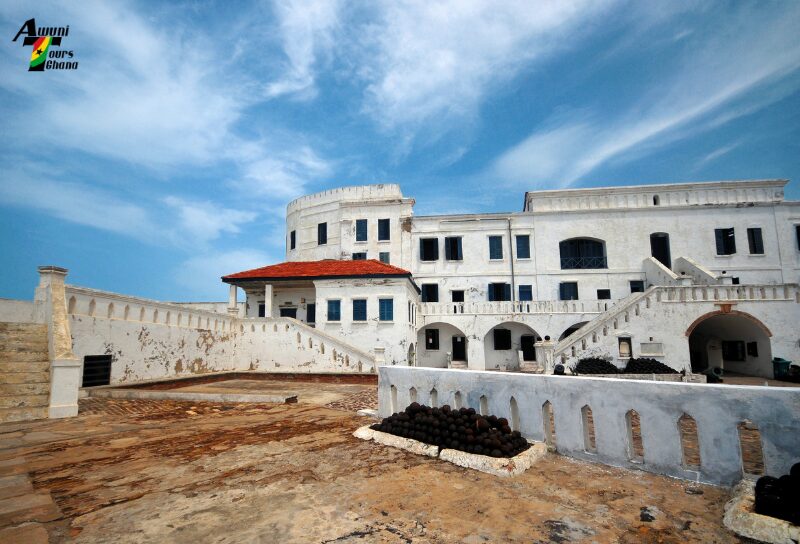
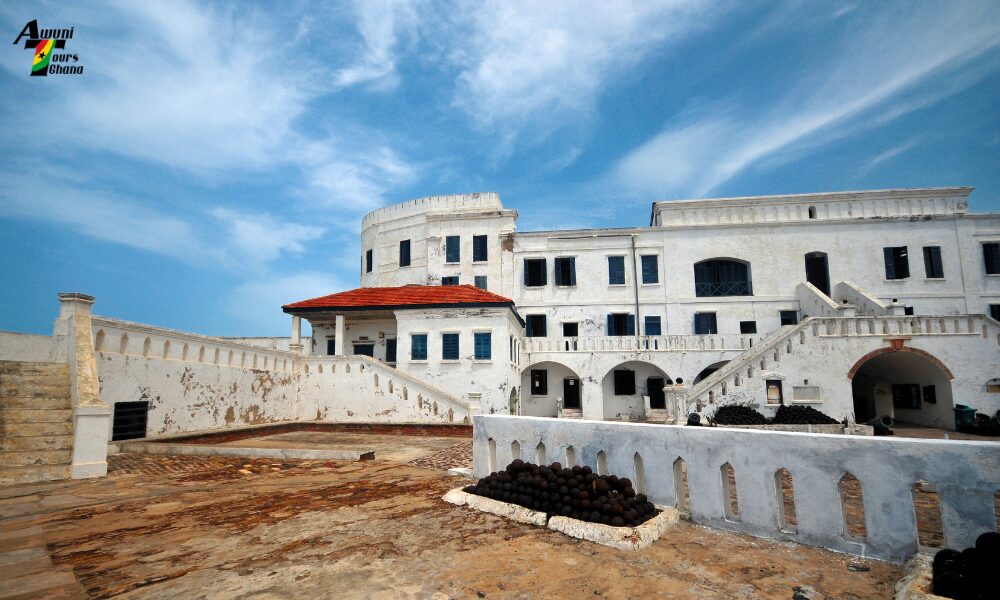
The definitive transformation of Cape Coast Castle began in 1665 when the British captured the fort. Under British administration, the structure was systematically rebuilt and vastly expanded using permanent stone and brick, transforming the castle into a massive, fortified headquarters for the Royal African Company. The British engineered the building to maximize defensive capabilities against naval bombardments from rival European nations while simultaneously optimizing the internal layout for a grim new commercial focus: the transatlantic slave trade.

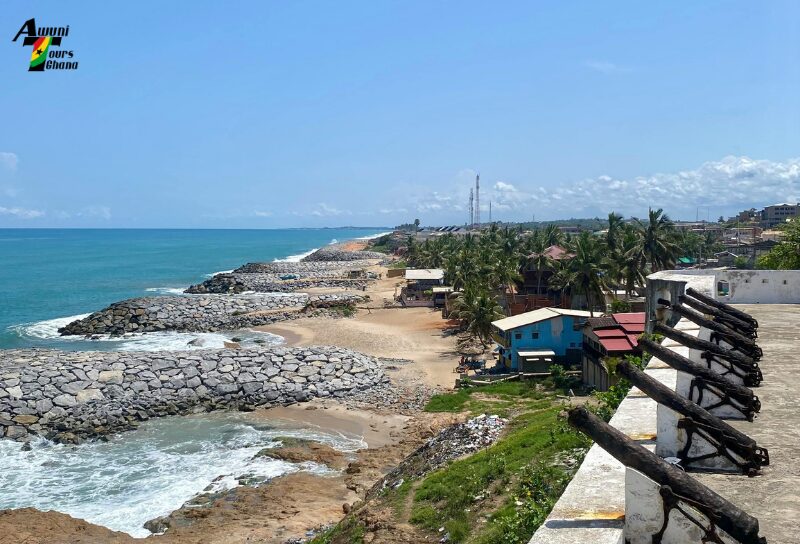
The architectural blueprint of Cape Coast Castle became a literal manifestation of institutionalized cruelty, featuring thick defensive outer walls lined with heavy cannons facing the sea, luxurious residential quarters for the British governor and officers on the upper floors, and subterranean dungeons carved into the bedrock below.
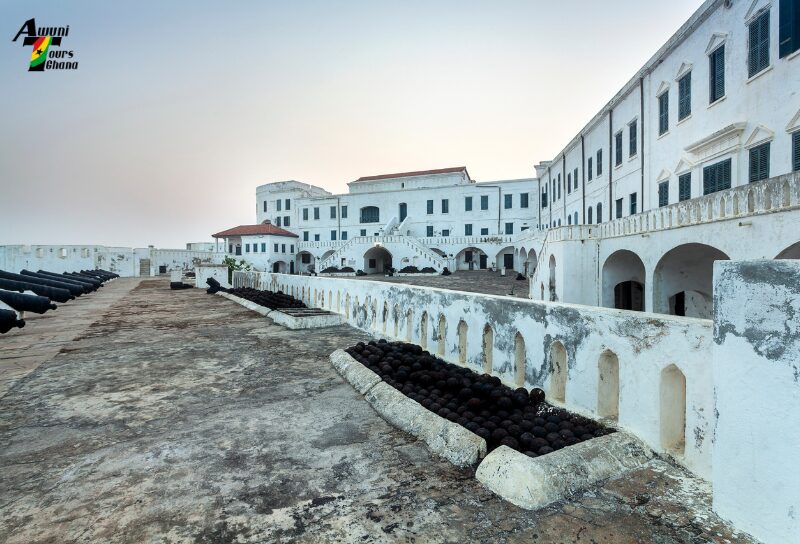
Cape Coast Castle 7

The Subterranean Dungeons and the Mechanics of the Slave Trade

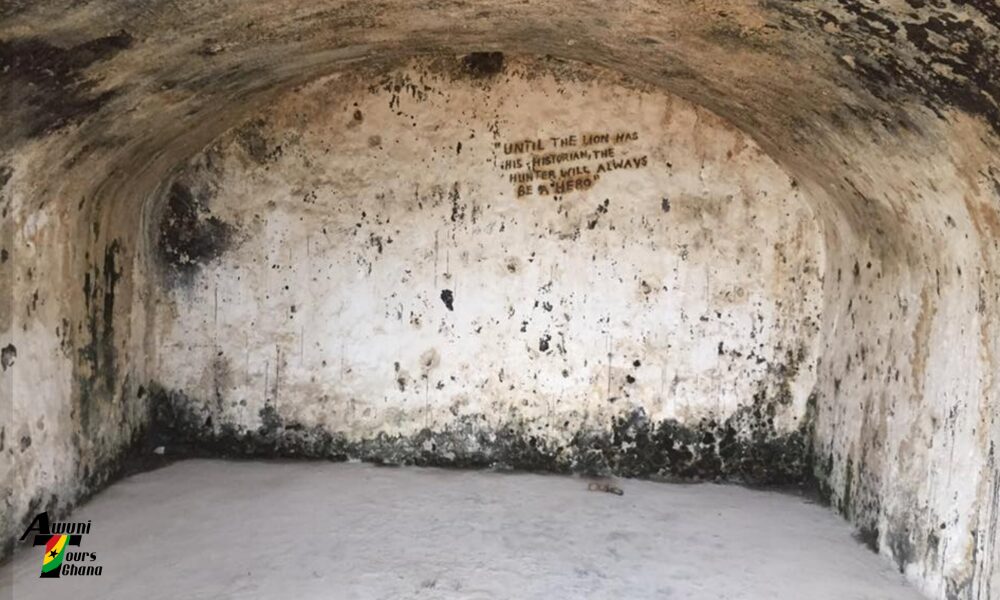
To understand the historical reality of Cape Coast Castle, one must examine the operational mechanics of its underground chambers. While the upper levels of the castle housed the administrative offices, chapel, and comfortable living quarters of the colonial elite, the lower levels were engineered to hold hundreds of enslaved African men, women, and children at any given time. These subterranean dungeons were dark, poorly ventilated, and completely cut off from the outside world, save for a few narrow slits in the stone walls that allowed minimal light to penetrate.
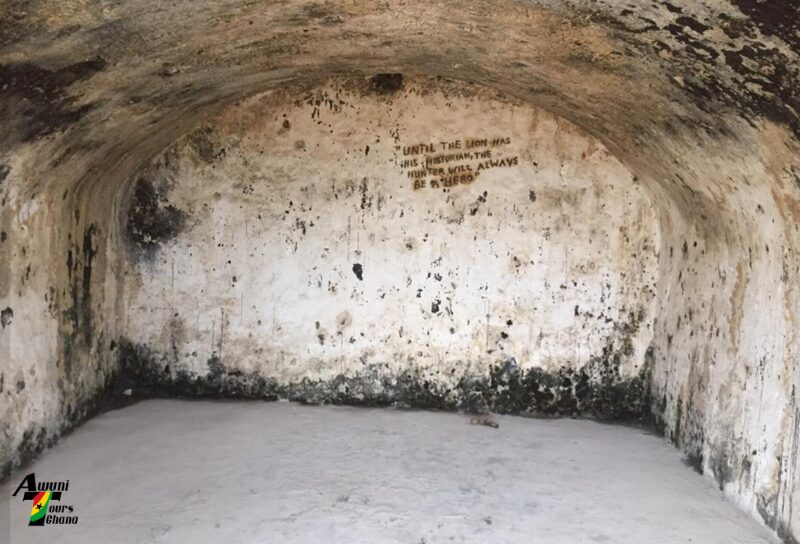
Cape Coast Castle 3

Enslaved individuals were brought to Cape Coast Castle from deep within the interior after surviving brutal forced marches. Once inside the castle, they were classified by gender and age, stripped of their belongings, and packed into the underground vaults for weeks or months while awaiting the arrival of European slave ships. The design of Cape Coast Castle ensured total segregation between the captors and the captives; British soldiers watched the prisoners from overhead platforms, maintaining complete control over the population through intimidation and physical force.

The floor of the dungeons, made of packed earth and stone, still retains the physical layers of compacted biological waste from that era, serving as undeniable material proof of the extreme overcrowding and systemic dehumanization that occurred within Cape Coast Castle.

The Door of No Return: The Point of Final Departure

The emotional and historical focal point of Cape Coast Castle is a single, narrow exit built into the seaward fortification wall known as the Door of No Return. This portal served as the final exit point for millions of Africans who were led out of the underground dungeons of the castle directly onto small transport boats, which rowed them out to the larger slave ships anchored in the Atlantic Ocean.

Passing through this threshold meant the absolute permanent severance of individuals from their homelands, families, cultures, and languages, marking the beginning of the brutal Middle Passage across the ocean.

Architecturally, the Door of No Return within Cape Coast Castle was designed to minimize resistance. The corridor leading to the door is tight and heavily guarded, preventing any opportunity for escape or rebellion at the final moment of departure. For centuries, this small wooden door inside Cape Coast Castle symbolized the absolute power of the transatlantic slave trade system.

Today, the preservation of this specific exit point is a critical component of historical education, illustrating the precise geographical point where individual human lives were systematically converted into commercial commodities under colonial law.
Cape Coast Castle 6

The Present-Day Transformation and the Door of Return

In the decades following Ghana’s independence in 1957, the national consciousness regarding Cape Coast Castle shifted from a symbol of colonial oppression to an active site of education, remembrance, and cultural reunion. Today, Cape Coast Castle is recognized as a UNESCO World Heritage site, protected by strict preservation laws to ensure that the physical evidence of the transatlantic slave trade is never erased or minimized. Rather than shuttering the building, the modern Ghanaian government and traditional councils utilize Cape Coast Castle as a living educational institution.

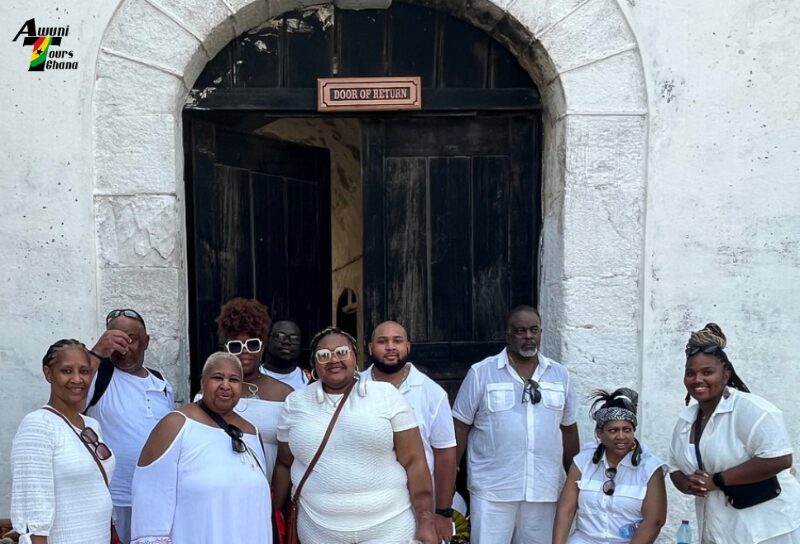
A powerful contemporary evolution of Cape Coast Castle is the symbolic reversal of its most famous architectural feature. On the reverse side of the Door of No Return, facing the Atlantic Ocean, a plaque now reads “The Door of Return.”

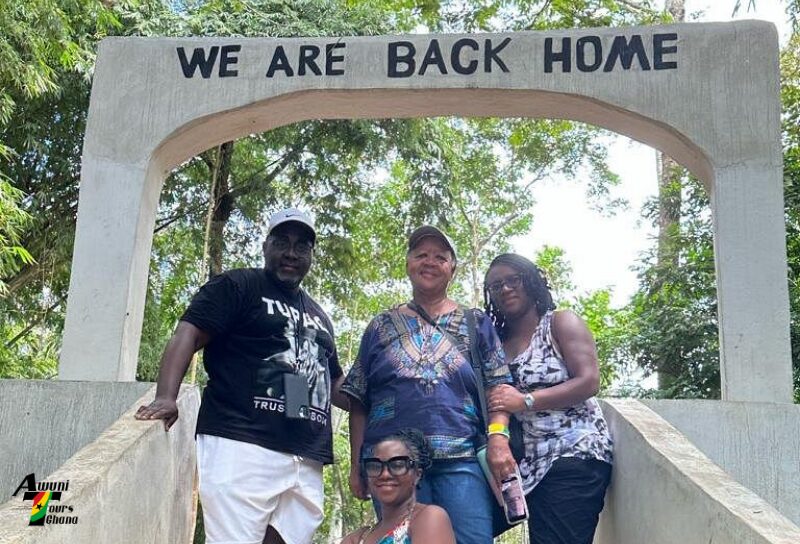
This inscription symbolizes the welcoming back of the African diaspora to the African continent. Every year, thousands of people from the Americas, the Caribbean, and Europe travel to the castle to walk backward through the door, reversing the journey of their ancestors. This contemporary practice has transformed Cape Coast Castle from a monument of historical trauma into a global sanctuary for healing, identity reclamation, and historical reconciliation.
Cape Coast Castle 5 1

Cape Coast Castle as a Center for Global Education and Festivals

In the contemporary era, Cape Coast Castle serves as an indispensable educational resource for schools, international universities, and human rights organizations. The upper administrative rooms of the castle have been converted into a comprehensive museum that displays historical artifacts, including trade chains, branding irons, old European maps, and traditional local weaponry.

This museum within Cape Coast Castle focuses strictly on the historical facts of the era, detailing the economic networks that fueled the trade, the specific European companies involved, and the vibrant pre-colonial African societies that were disrupted by the trade.

Furthermore, the castle plays a central role in national cultural festivals, most notably Panafest (the Pan-African Historical Theater Festival) and Emancipation Day celebrations. During these events, traditional Ghanaian leaders, international diplomats, and visitors gather at Cape Coast Castle to participate in wreath-laying ceremonies, historical lectures, and reflective vigils inside the dungeons. These gatherings ensure that Cape Coast Castle remains relevant to modern global conversations about human rights, systemic equality, and historical justice, proving that the lessons of the past are actively used to build a more conscious global community.
Cape Coast Castle 8

Why Visiting Cape Coast Castle is a Necessary Historical Encounter

For any traveler looking to understand global history, a visit to Cape Coast Castle provides an irreplaceable, direct encounter with the past. Reading about the transatlantic slave trade in academic textbooks cannot compare to the factual reality of standing inside the stone walls of the castle, observing the contrast between the governor’s grand balcony and the dark vaults below. Cape Coast Castle forces visitors to confront the historical realities of global commerce, human resilience, and the long-term impacts of colonization that still shape international dynamics today.

Visiting Cape Coast Castle is not a passive sightseeing excursion; it is an active educational experience that challenges individual perspectives and deepens global historical understanding. By exploring the castle, you witness a nation that openly honors its historical scars, utilizing a site of monumental tragedy to teach future generations about the absolute necessity of human dignity, freedom, and global solidarity.

FAQs

Which European powers held control of the site before the British permanently transformed it into a massive stone fortress?

The site originally began as a small Portuguese trading lodge in the sixteenth century. Control then shifted rapidly between the Swedes (who built a timber fort called Fort Carolusburg), the Danes, and the Dutch, before the British captured it in 1664.

How did the architectural layout of the castle reflect the stark division between the colonial administrators and the enslaved captives?

The upper levels of the fortress featured spacious, high-ceilinged residential quarters built with imported European materials for the comfort of the British governor, officers, and traders. Directly beneath these quarters lay dark, unventilated, subterranean stone dungeons where up to a thousand segregated men and women were severely overcrowded and confined.

What is the historical and modern symbolic significance of the Door of No Return?

Historically, the Door of No Return was the final seaside checkpoint where enslaved individuals left the African continent forever to board transport ships for the Middle Passage. In the modern era, the reverse side of the portal has been symbolically renamed the Door of Return to welcome back members of the global African diaspora.

What administrative changes occurred to the castle after the British slave trade was abolished in 1807?

The fortress stopped operating as a human transit hub and served as a colonial military barracks and administrative seat until the capital moved to Accra in 1877. In the twentieth century, it was used as a school, archive, and customs post before the Ghana Monuments and Vistas Board took control and UNESCO designated it a World Heritage Site in 1979.

Articles You May Like:

Ghana Culture

Ghana Culture: Traditions, Community, and Modern Innovation

Ghana culture is a living, breathing system that shapes how people live, work, and support one another every single day. Instead of being trapped in a museum, ancient traditions are woven directly into modern city life, corporate offices, and local neighborhoods. For anyone thinking about traveling to West Africa, getting to know this culture means moving past the standard tourist sights and seeing how a modern nation keeps its soul intact by using the wisdom of its ancestors to handle the challenges of today.

Ghana Culture

Two Systems of Leadership Working Together

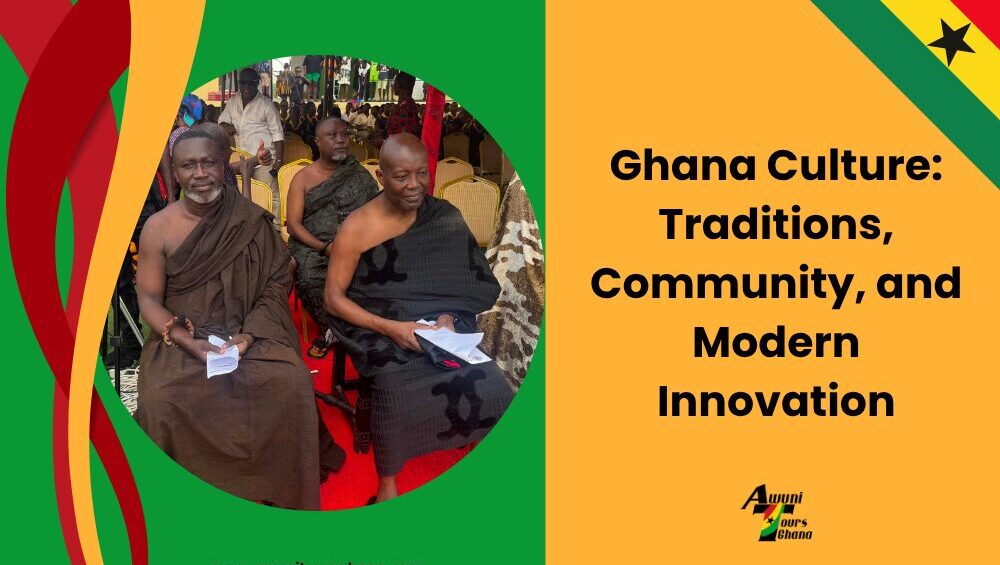
One of the most fascinating parts of Ghana culture is the way everyday life is guided by two different systems of leadership: the modern government and traditional tribal rule. While the central government handles national laws, economy, and foreign affairs, traditional leaders like chiefs and Queen Mothers handle local community life. They don’t fight for power; instead, they work side by side to keep society stable.

In Ghana culture, a chief or Queen Mother holds a deeply respected, active office. They don’t just wear ceremonial regalia for special events; they hold regular court sessions to settle local land arguments, help families resolve personal disputes, and organize community projects. Because people deeply respect these customary leaders, communities have a built-in safety net that maintains peace and order, even in small villages far away from formal government courts.

Ghana Culture

The Historic Castles Along the Coast

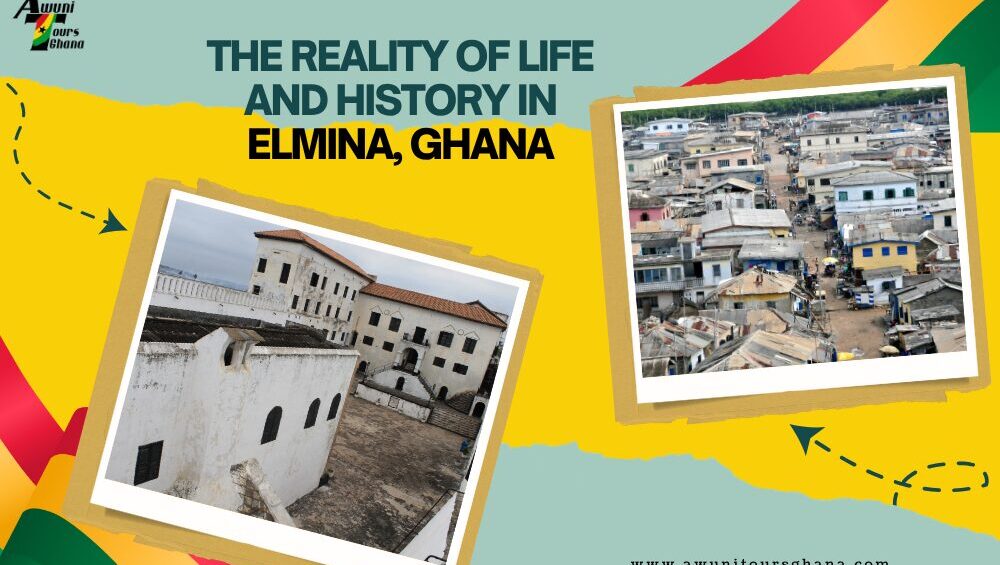
The physical coastline holds a heavy but crucial piece of Ghana culture. Towering white stone fortresses and castles, like Elmina Castle and Cape Coast Castle, stand right on the Atlantic ocean. Built centuries ago starting with the Portuguese, these structures were eventually used by European powers to run the transatlantic slave trade.

Today, rather than tearing these painful buildings down or hiding from the past, the nation keeps them open as powerful places of learning and reflection. Within Ghana culture, these castles serve as vital connection points for people traveling from all over the world, especially the African diaspora, to honor their ancestors. Visiting these sites gives you a direct, honest look at history and shows the incredible resilience of the people who moved forward to build the nation we see today.

Ghana Culture

Festivals that Bring History to Life

Festivals in Ghana culture are not staged shows put on for tourists; they are massive, highly anticipated annual celebrations that serve as a community’s living history book. Major events like the Homowo of the Ga people, the Hogbetsotso of the Ewe, and the Akwasidae of the Ashanti kingdom take months of careful planning by local traditional councils.

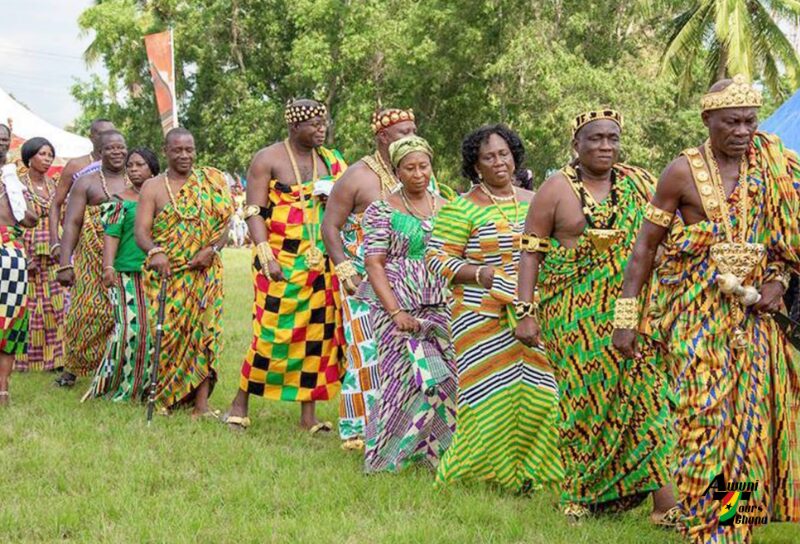
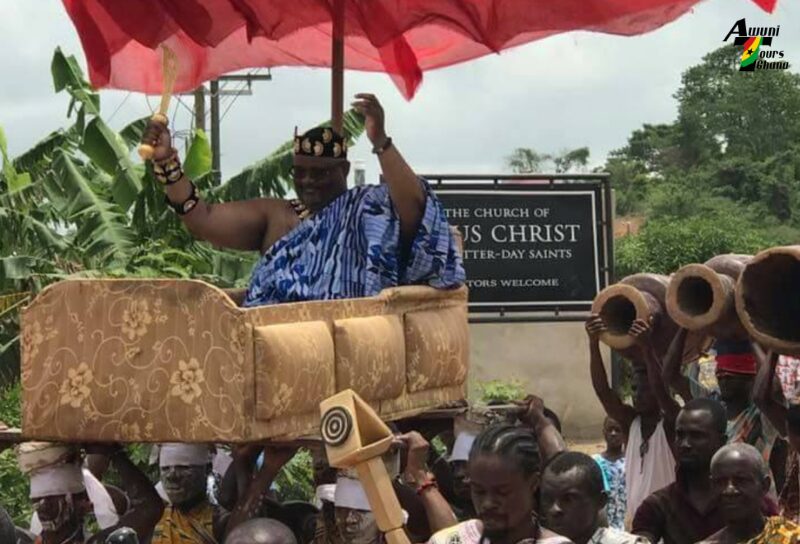
During these festivals, history comes alive in the streets. Chiefs are carried through cheering crowds in elaborate palanquins, dressed in brilliant, handwoven clothing, while sub-chiefs publicly pledge their loyalty to the community. But these festivals are also practical. They give communities a dedicated time to settle old political disagreements publicly, honor those who came before them, and talk about how to pool resources for new local development projects like building schools or clinics.

Ghana Culture

Reading the Secret Meanings in Fabrics and Symbols

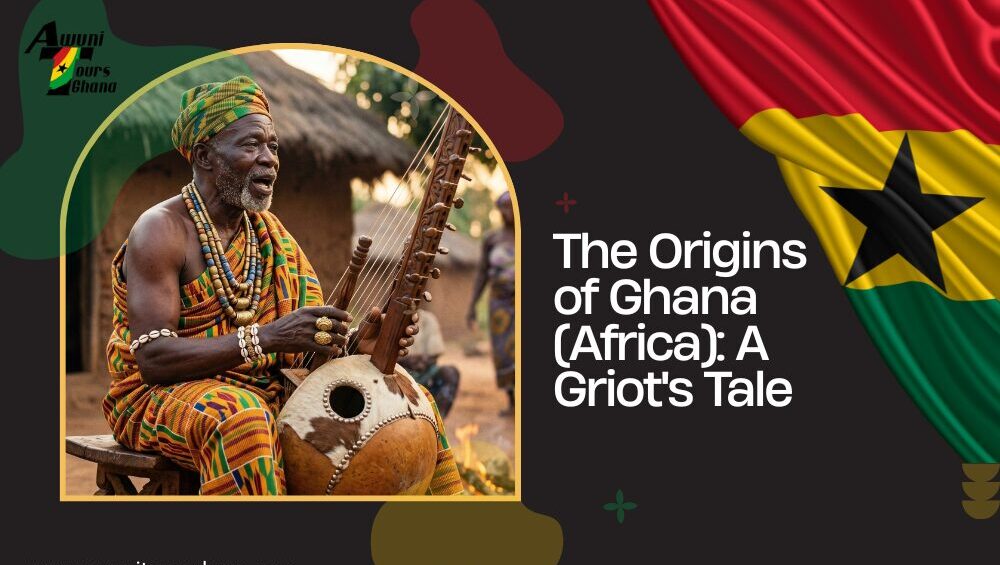
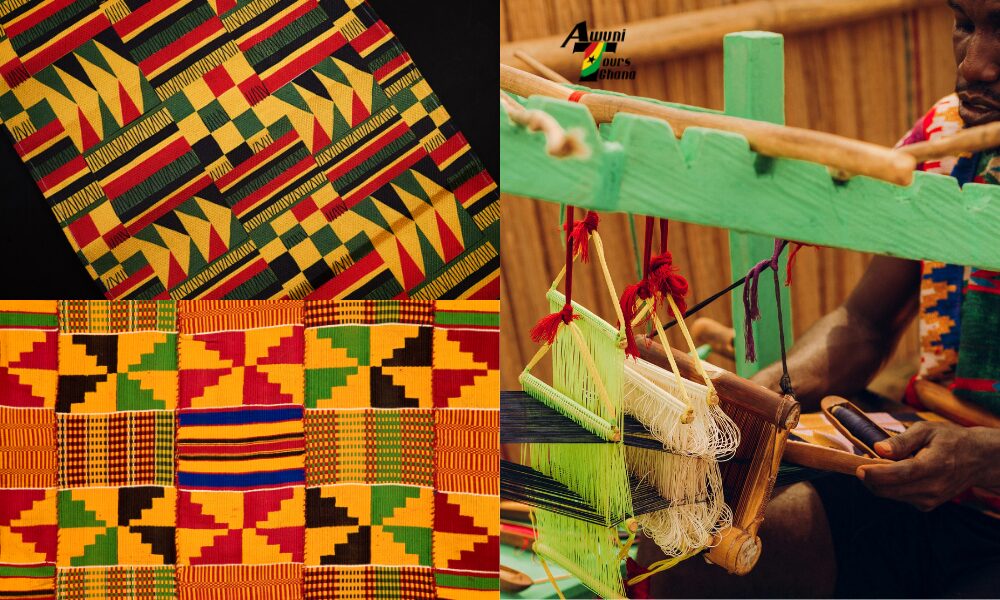
The material arts in this society are filled with brilliant visual languages. Take Kente cloth, the world-famous, brightly colored geometric fabric woven on traditional wooden looms by Ashanti and Ewe weavers. In Ghana culture, Kente is actually a coded language. Every single color choice and geometric pattern tells a specific story, represents a historical event, or carries a distinct philosophical message. While it was once reserved only for kings and queens, today people wear it to celebrate life’s biggest milestones, from weddings to graduations.

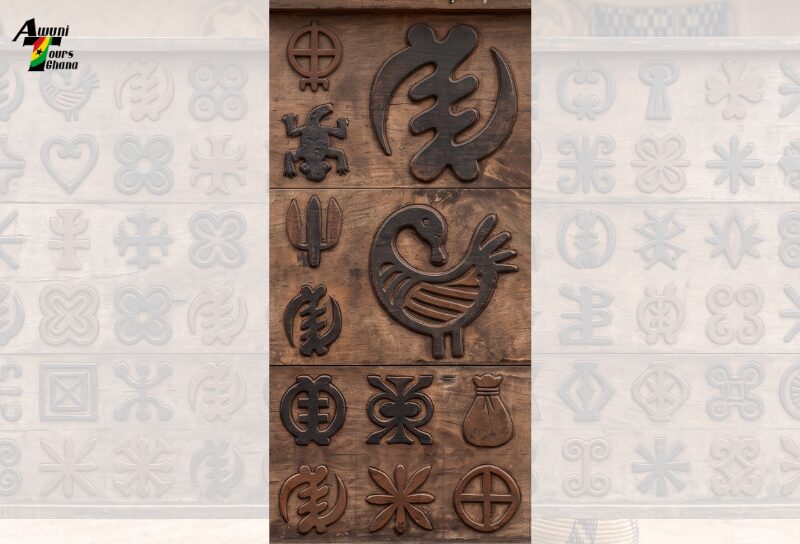
Alongside Kente, you will see Adinkra symbols everywhere you look. These historic visual icons are stamped onto clothing, carved into wood, and welded into modern buildings. Each symbol stands for a famous proverb or piece of wisdom. For example, the Sankofa bird symbol teaches that you must look to the past to build a better future, while Gye Nyame represents the ultimate power of the divine. Seeing these symbols on everything from corporate logos to everyday gates shows how traditional wisdom stays relevant in a modern world.

Ghana Culture

The Financial Powerhouse of the Local Markets

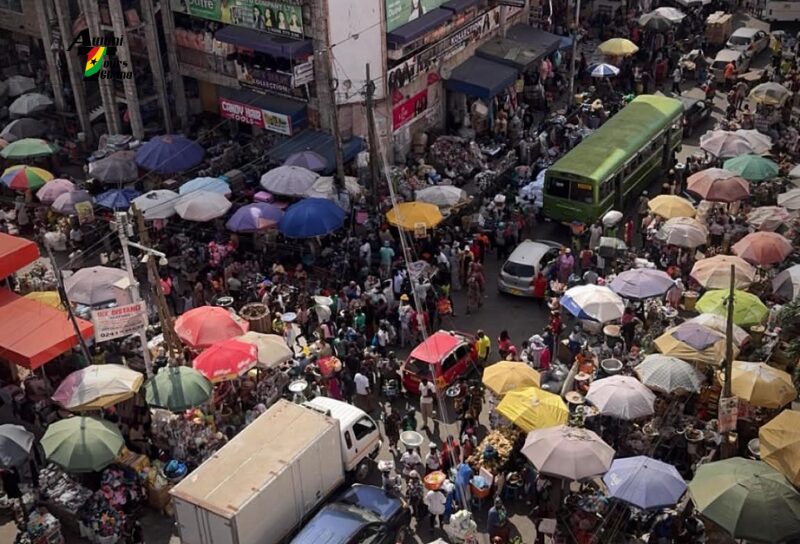
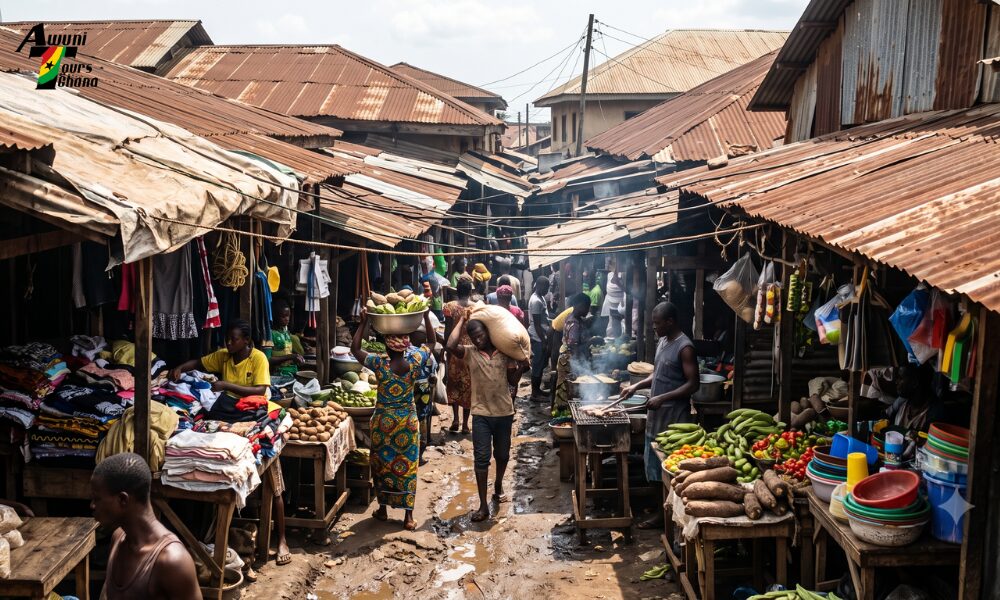
If you want to see the true energy of the domestic economy, you have to look at the massive open-air marketplaces like Makola Market in Accra or Kejetia Market in Kumasi. These giant hubs are the economic engines of the country, moving food, clothes, and goods across the region. These markets are organized, managed, and run almost entirely by powerful networks of women led by elected leaders known as Market Queens.

Ghana Culture

These Market Queens have incredible influence within Ghana culture. They negotiate transport routes, settle business arguments on the fly, and set fair prices for commodities. Because formal bank loans can be tough to get, these market women invented and perfected their own community banking system called susu. Members of a marketplace pool their money together regularly and give the total sum to one woman at a time, allowing her to make major upgrades to her shop or take care of family needs without drowning in bank debt. This grassroots financial system keeps local communities stable and thriving.

Food as a Way to Connect

The food within Ghana culture reflects the diverse land and farming traditions of the country. Primary staples like fufu (pounded cassava and plantains) and banku (fermented corn and cassava dough) take hours of heavy, collaborative physical work to prepare. Because making these meals is such a big job, cooking is naturally a social, family-centered event.

These dishes do more than just feed people; they connect communities to their roots. For instance, during the Homowo festival, traditional leaders walk through the streets ritually scattering a special festive cornmeal dish called kpokpoi. This acts as a symbolic way to thank the ancestors for a good harvest and celebrate victory over past hardships. Trying the local food gives you a direct seat at the table of a deeply communal way of life.

Ghana Culture

Why You Should Travel to Experience it Yourself

For an intentional traveler, the real magic of going to West Africa is getting to see this active, supportive social system in person. Immersing yourself in Ghana culture means stepping off the generic resort paths and spending time in the spaces where real life happens—whether that means sitting in on a lively chief’s court session, visiting a family weaving workshop, or navigating the bright lanes of a local market.

Seeing how people comfortably balance smartphone technology and digital apps with historic custom, and how they prioritize looking out for their neighbors, is an incredible eye-opener. Traveling here shows you a society that doesn’t view its heritage as something old and dusty, but as a practical, brilliant toolkit for living a meaningful, connected life today.

FAQs

How do the two different leadership systems in Ghana work together to keep society stable?

The central government handles national laws, the economy, and foreign affairs, while traditional leaders like chiefs and Queen Mothers manage local community life. Instead of competing for power, they work side by side, with traditional leaders holding regular court sessions to settle local disputes and organize community projects.

What role do the historic coastal castles play in contemporary Ghana culture?

Rather than tearing down structures like Elmina Castle and Cape Coast Castle, the nation preserves them as powerful places of learning and reflection. They serve as vital connection points for visitors from all over the world, particularly the African diaspora, to honor their ancestors and reflect on the history of the transatlantic slave trade.

Why are festivals considered practical events rather than just staged shows for tourists?

Festivals serve as a community’s living history book and provide a dedicated, open forum for practical governance. During these events, traditional councils publicly settle old political disagreements, honor historical ancestors, and discuss how to pool resources for local development projects like building clinics or schools.

What is a “susu” system, and how does it support marketplace traders?

A susu system is a grassroots community banking method where market women pool their money together regularly and give the total collected sum to one member at a time. This rotating credit allows traders to make major upgrades to their shops or cover family needs without relying on formal bank loans or accumulating debt.

Articles You May Like:

Republic of Ghana

Journaling the Reality of the Republic of Ghana

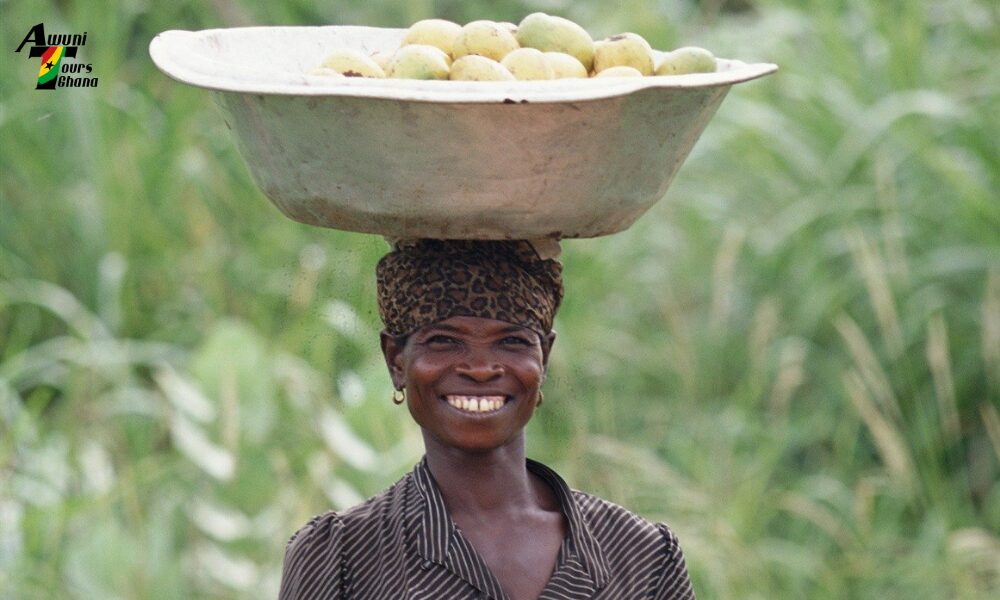
There is a specific frequency to the Republic of Ghana that no guidebook can prepare you for. People are everywhere, moving with a definitive purpose. The colors aren’t just bright; they are aggressive. The yellow and blue paint of the kiosks, the deep red of the clay dust kicked up by old tires, and the cloth headbands worn by local women carrying massive trays of fruit. It forces you out of your head immediately. You can’t be a passive observer here; the country demands that you pay attention to the dirt, the noise, and the undeniable grit of everyday life.

Republic of Ghana

(June 15th) Republic of Ghana: The Weight of the Dirt

I spent today away from the main roads, walking through a small village where the pavement ends and the raw earth begins. The soil in the Republic of Ghana has a distinct, deep orange-red hue that clings to everything—your socks, your skin, the bottom of your bags. It feels old. When you sit under a massive neem tree and listen to an elder explain the lineage of the local stool lands, you realize that history here isn’t stored in a museum. It is carried in the memory of the people who walk these paths every day.

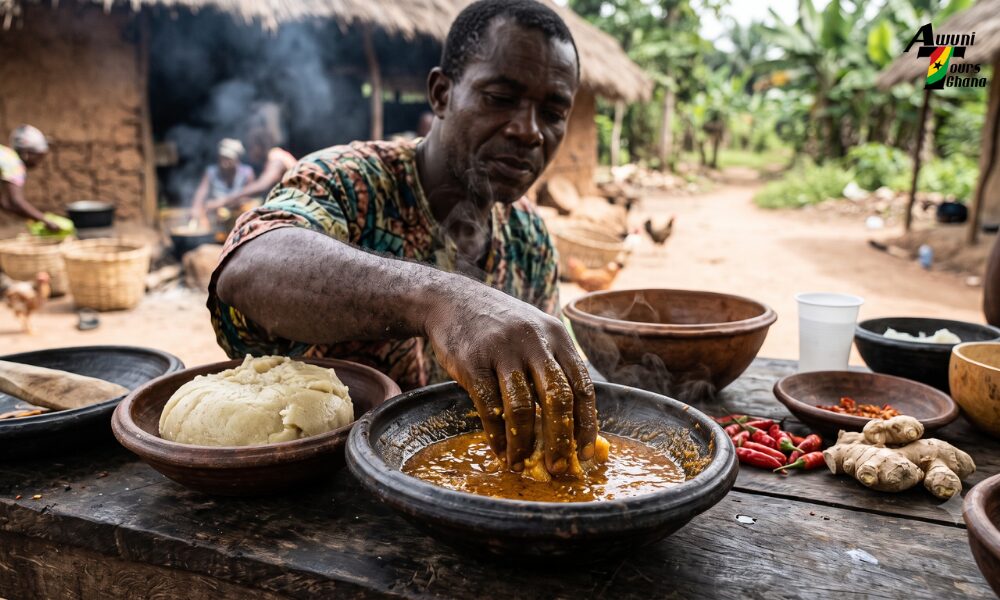
We ate together from a communal bowl. No silverware, just your right hand, pulling apart thick, sticky fufu dipped into a steaming palm nut soup that burns the back of your throat with raw ginger and local chili. Your fingers stay stained yellow from the oil, and your mouth tingles for hours afterward. It is a slow, heavy meal that makes you sit still and talk. The hospitality isn’t performed; it is an unspoken obligation. You are here, so you are fed, and you are expected to look people in the eye when they speak to you.

Republic of Ghana

(June 19th) The Rhythms of the Inland Marketplace

The Republic of Ghana has a market in the center of the town where there is a maze of corrugated zinc roofs and narrow mud alleys. It smells of dried fish, sharp ginger, fermented cassava, and damp fabric. If you stop moving for a second, the crowd swallows you. Traders scream out prices in Twi and Ga, their voices competing with the metallic clink of a blacksmith hammering out old car parts into farming tools nearby.

I watched a woman weave a strip of Kente cloth on a narrow wooden loom stretched out across the dirt. The sound is a constant, rhythmic clack-clack, slish-slish as her feet pump the pedals. She didn’t look up when I approached. Her hands moved strictly by muscle memory, pulling thick threads of indigo and gold into patterns that represent specific family histories. It is exhausting just to watch, a reminder that the culture here is built on hard, physical labor and centuries of repetition. It makes your own daily routine back home feel incredibly distant and small.

Republic of Ghana

(June 22nd) The Silence of the Stone

You can’t understand the Republic of Ghana without sitting in the absolute silence of its oldest structures. Today was spent inside the thick, whitewashed stone walls of the historic forts. The air inside is cold, damp, and smells faintly of old lime and stagnant water. It feels completely separated from the chaotic energy of the markets outside.

Standing in a dark room with only a tiny slit of light cutting through the stone, the silence is deafening. You can hear the heavy thud of the ocean hitting the rocks below, a constant, indifferent background noise that has been going on for hundreds of years. It is a heavy, uncomfortable place to be alone with your thoughts. There are no plaques or fancy displays to distract you—just the raw, cold reality of what happened on this floor. It strips away any romantic ideas you had about travel and leaves you with a profound, sobering respect for the sheer endurance of the human spirit.

Republic of Ghana

(June 26th) The Final Shift

My boots are ruined, covered in a layer of red dust that will probably never fully come out of the leather. My skin feels dry from the sun, and my ears are still ringing from the constant noise of the streets. But something shifted in me over the last two weeks. The Republic of Ghana doesn’t change you by giving you a relaxing break; it changes you by breaking down your comfort zones and forcing you to see life through a completely different lens.

If you are waiting for a perfect, convenient moment to cross the ocean, you are missing the point. The beauty here isn’t in the convenience—it is in the raw, unfiltered truth of the land. Stop watching other people live out these stories on your phone. Put your feet on this red dirt, taste the spice, feel the weight of the stone, and let this country shake you awake. The next tour is leaving, and your spot is open. Stop hesitating and book your journey today.

FAQs

What should a traveler expect immediately upon arriving in the Republic of Ghana?

Arrival is an immediate, unfiltered experience that completely shocks the senses. Instead of a quiet or manicured tourist destination, you are dropped straight into a loud, intense, and hardworking reality. The streets are a moving machine filled with the heavy sounds of traffic and music, busy roadside kiosks, and street vendors carrying massive trays of goods through the crowd. It forces you to adapt to its fast speed right away.

How is the traditional food and dining experience described in the diary?

Dining is a communal and deeply personal experience, far removed from a standard restaurant setting. In local villages, meals like fufu and steaming palm nut soup are eaten directly from a shared bowl using your right hand. The food is heavily spiced with raw ginger and local chilies that burn the back of your throat, and the hospitality is treated as an unspoken, genuine obligation to take care of anyone sitting at the table.

What does the article reveal about how history and culture are preserved in the country?

In the Republic of Ghana, history is a living presence rather than something confined to a textbook or a museum. It is physically carried in the memories of the village elders who can recite centuries of ancestral lineages, and it is preserved in everyday objects like decades-old, hand-carved wooden stools. Similarly, cultural traditions like weaving Kente cloth on outdoor looms are passed down through generations, requiring intense physical labor, muscle memory, and absolute focus.

Why does the diary suggest that visiting the historic stone forts is a necessary part of the journey?

Visiting the historic stone forts strips away any romanticized or superficial ideas about travel. The dead silence inside the damp, windowless stone walls offers a harsh and jarring contrast to the chaotic energy of the outdoor markets. Standing in the dark and listening to the ocean waves creates an uncomfortable, sobering space for reflection, leaving visitors with a profound, necessary respect for the sheer endurance of the human spirit.

Articles You May Like:

Ghana Country

The Soil Remembers You: A Personal Invite to Ghana Country

Ghana country does not ask for your curiosity; it calls directly to your soul. The moment you step off the plane into the thick, warm air, you are greeted by the deep, rich scents of woodsmoke, sea salt, and red earth.

This is not a vacation spot you just cross off a list. This is a living, breathing land that reaches into your chest and forces you to feel. It is the home of Akwaaba—a word that means welcome, but feels like an old friend pulling you into a tight, tearful hug. If you have been sitting on the fence, wondering if this is the right place for your next big journey, let the doubt go. This land is waiting for you, ready to show you what it truly means to belong.

A Deep Reckoning at Ghana Country’s Ocean’s Edge

For those looking to connect with their roots, traveling through Ghana country is a powerful, quiet awakening. When you walk through the old stone archways of the Cape Coast castle along the coast, placing your hands on the cool walls, you are touching living history. Standing in the dimness of the old rooms, breathing in the quiet air, a deep realization hits you: you are the continuation of a beautiful story that refused to end.

The Soil Remembers You A Personal Invite to Ghana Country 3

When you step back out into the bright sun and look at the crashing waves, you realize you did not just travel to a new place on a map. You brought a long line of dreams back to the water’s edge. Your family line survived, the earth knows your face, and Ghana country is the sacred place where you finally heal the spaces left by time.One Heartbeat, Many Tribes

Ghana Country Has One Heartbeat, Many Tribes

If you are drawn to culture, Ghana country offers a beautiful tapestry of human life that will change how you see the world. You cannot stay detached when the ground under your feet vibrates with the powerful, steady beat of traditional drums. You will find yourself invited to sit with local weavers, watching their hands fly across the looms as they create beautiful gold-threaded Ghana Kente cloth, turning ancient philosophies into patterns you can hold.

The Soil Remembers You A Personal Invite to Ghana Country 6

One of the most beautiful parts of exploring Ghana country is learning about the different tribes that make up the nation. From the rich, royal traditions of the Ashanti Kingdom to the coastal fishing communities, each group holds its own sacred wisdom, unique music, and deep stories. 

You will taste the incredible depth of the local food, from spicy, comforting jollof rice to rich stews that taste like home. The history here is real and heavy, but the joy is absolute. The incredible warmth of the people ensures you are never just an outsider looking in; you are family.

The Call to Taste, Dance, and Discover in Ghana Country

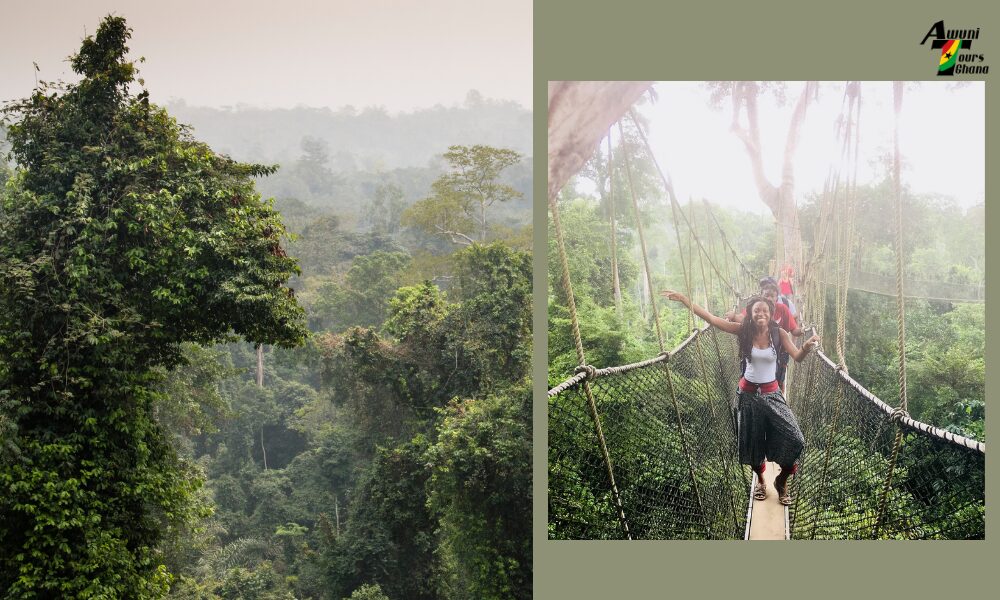
Beyond the quiet reflection of history, there is a loud, joyful energy pulsing through Ghana country right now. You can feel it when you walk high above the green rainforest on swaying canopy bridges, looking out at an ocean of trees. You feel it in the bright colors of the local fashion markets and the incredible music playing in the streets.

The Soil Remembers You A Personal Invite to Ghana Country 5

This is your sign to stop watching from a distance and book your journey. Come to the source. Let the red dirt stain your shoes, let the ocean wind clear your mind, and let yourself be healed, moved, and completely awakened by the timeless spirit of Ghana country. The soil is waiting to welcome you home, and your seat at the table is already prepared. Do not let another moment slip away—secure your spot on our next upcoming tour today and step directly into your own story.

FAQs

What makes visiting Ghana country different from a typical tropical vacation?

A typical vacation often stays on the surface, but a journey to Ghana country forces you to connect on a deeply emotional and spiritual level. From the moment you arrive, the warmth of the local culture—known as Akwaaba—makes you feel like a long-lost family member rather than a simple tourist. It combines breathtaking natural beauty, like rainforest canopy walks, with deep historical reflection and a vibrant, modern energy that actively engages your soul instead of just offering a place to relax.

How does the article describe the experience for members of the Diaspora returning to Ghana country?

For the Diaspora, traveling to Ghana country is described as a powerful, quiet birthright pilgrimage and a healing homecoming. Walking through the stone archways of the historic coastal castles allows visitors to physically touch living history and stand exactly where their ancestors once stood. It is a sacred space where the abstract idea of family lineage becomes real, cool earth beneath your feet, allowing you to honor their survival and bring their dreams back to the water’s edge.

What can cultural seekers and food lovers look forward to experiencing during their visit?

Visitors interested in culture will experience a beautiful tapestry of traditions woven across the nation’s different tribes, from the royal history of the Ashanti Kingdom to coastal fishing communities. You can sit with local artisans to watch them weave gold-threaded Kente cloth, listen to the powerful beat of traditional drums, and learn the unique music of different regions. Food lovers will get to taste the incredible depth of local flavors, including iconic dishes like spicy, comforting jollof rice and rich, home-cooked stives.

If I am feeling unsure about booking a tour, how does Ghana country welcome hesitant travelers?

The article emphasizes that you are never left feeling like an outsider looking in when you explore Ghana country. The legendary hospitality and openness of the people ensure that every traveler, regardless of their background, is invited to sit at the table, break bread, and join the dance as part of an extended global family. It is the perfect destination for anyone looking to replace doubt with a true sense of belonging, human connection, and absolute joy.

Top Ghana Tours

5 Top Ghana Tours for First-Time Visitors

Traveling to Ghana for the first time? You’re about to uncover a country filled with warmth, history, and adventure. Whether you’re interested in cultural heritage, natural beauty, or vibrant city life, Ghana tours offer a rich introduction to West Africa.

To help you plan, we’ve highlighted five top Ghana tours that are ideal for first-time visitors. These are more than just sightseeing routes; they’re immersive journeys through some of the country’s most meaningful places.

5 Top Ghana Tours to Take on Your First Visit

Joining guided tours is one of the best ways to explore Ghana, especially if it’s your first time. Our local guides offer cultural context, language support, and safe navigation through historical, natural, and urban attractions.

Let’s take a closer look at where to begin your journey.

1. Explore the City of Accra

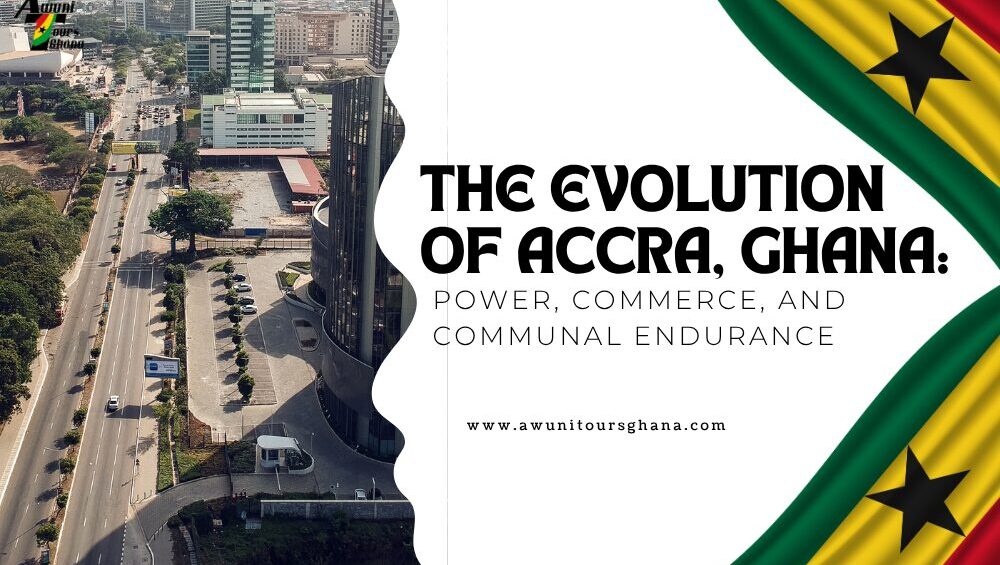
Accra is the heartbeat of Ghana, and starting with a Ghana city tour is a great way to get settled. You’ll see how modern life blends with deep-rooted traditions from the coastal forts and colonial architecture to open-air markets and public squares.

 Explore the City of Accra

Highlights often include:

  • Independence Arch & Black Star Square
  • Jamestown fishing district
  • Makola Market
  • Kwame Nkrumah Memorial Park

This offers a first-hand look at how Accra reflects Ghana’s journey from colonization to independence and into modern-day life, Explore it in more detail through our Accra City Tour.

2. Cultural and Heritage Tour

Ghana’s role in the transatlantic slave trade makes it one of the most historically significant countries in West Africa. For many, traveling to Ghana for the first time is about reconnecting with ancestral roots and understanding Ghana’s place in world history. This tour focuses on heritage sites that tell emotional and powerful stories.

Ghana Cultural and Heritage Tour

Some highlights include:

  • Elmina and Cape Coast Castles (UNESCO sites)
  • Assin Manso slave river site
  • Cultural visits to Kumasi and the Ashanti Kingdom

If you’re interested in cultural tours in Ghana, our Cultural Heritage Tour is one of the most eye-opening journeys you can take.

3. Wildlife Safari Experience

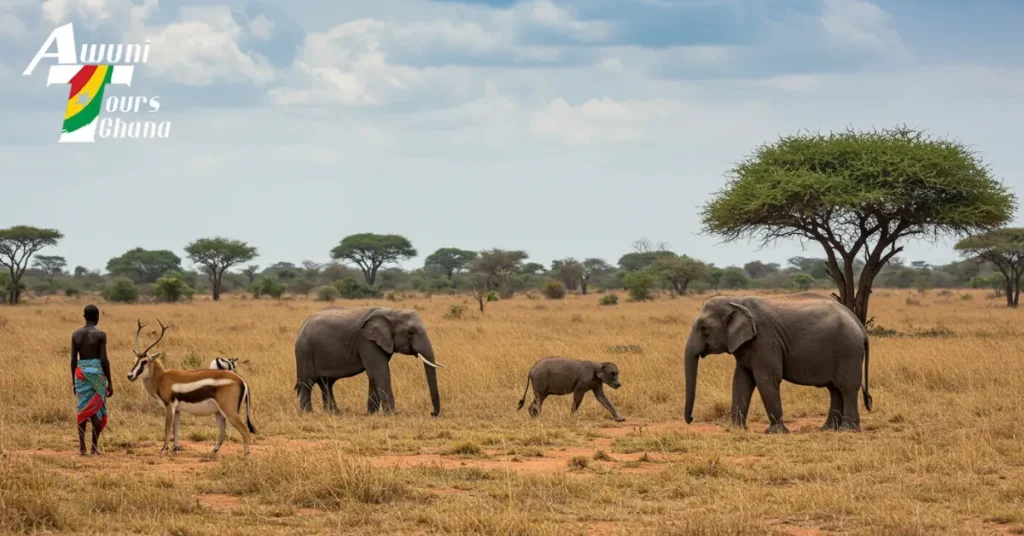
Ghana may not be the first place you think of for a safari, but it should be. The northern regions are home to Mole National Park, where you can see elephants, antelopes, and beautiful birds in their natural habitat.

Ghana 
Wildlife Safari Experience

This tour offers:

  • Wildlife viewing without the crowds
  • Visits to traditional communities
  • Local guides who explain the ecological importance of the parks

This tour blends environmental awareness with adventure and is perfect for travelers who enjoy nature, photography, or off-the-beaten-path experiences, explore it further through our Wildlife Safari Tour.

4. Waterfalls and Natural Landscapes

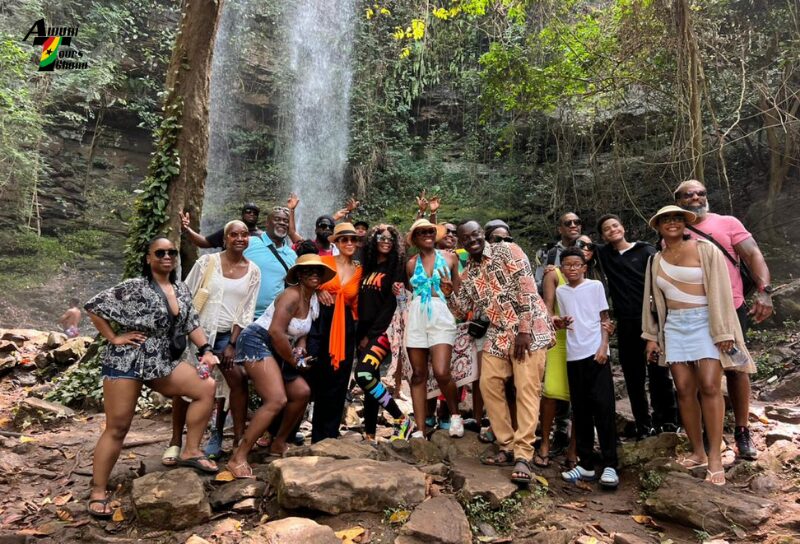
Ghana’s Volta Region is one of the most scenic parts of the country. Lush hills, tropical forests, and flowing waterfalls make it a refreshing escape for those looking to unwind and connect with nature.

Ghana Waterfalls and Natural Landscapes

This nature-focused tour includes:

  • Wli Waterfalls – One of West Africa’s tallest
  • Forest hikes and scenic trails
  • Monkey sanctuaries and hidden waterfalls

It’s the perfect add-on to your Ghana travel package if you’re looking to balance history with nature. Take a closer look at our Waterfalls and Nature Tour.

5. Visit Key Cultural Heritage Sites

Some tours in Ghana are focused on specific heritage sites that hold historical, spiritual, or architectural value. These locations are not just about the past, they are still part of living traditions today.

Visit Ghana Key Cultural Heritage Sites

Expect to see:

  • Shrines, palaces, and sacred forests
  • Art and architecture of traditional Ghanaian communities
  • Local customs that are still practiced today

For first-time visitors, this tour helps connect the dots between Ghana’s ancient societies, colonial encounters, and present-day cultural life. Explore more through our important Cultural Heritage Sites Tour.

Why Choose Awuni Tours Ghana?

At Awuni Tours Ghana, we understand that for many visitors, Ghana isn’t just another destination, it’s a place of connection, reflection, and exploration. That’s why we focus on providing experiences that go beyond sightseeing, helping you engage with the country in an authentic and meaningful way.

  • Local Expertise: Our guides are deeply familiar with the regions and communities you’ll visit. We share real insights, not scripts.
  • Cultural Depth: From traditional naming ceremonies to local artisan markets, we make space for genuine interactions.
  • Comfortable Experiences: We only recommend locations and accommodations that we trust and know offer a safe, welcoming atmosphere.
  • Thoughtfully Designed Tours: Each of our tour routes is intentionally crafted, not just to cover the highlights, but to connect them in a meaningful way.
  • Flexible Planning Support: Whether you’re looking for a heritage-focused tour or nature-filled days in the Volta Region, we help you select the right itinerary.

Ghana tours come in all forms, from city explorations to wildlife safaris and cultural immersion trips. As a first-time visitor to Ghana, you have the opportunity to see the country from multiple angles. Whether you start with a guided city tour, explore historical forts, or hike toward a waterfall in the Volta Region, each step reveals a deeper story.

If you’re still deciding how to begin, we invite you to explore our Awuni Tours Ghana experiences and find what speaks to you.

FAQs

Is it safe to travel around Ghana?

Yes, Ghana is generally safe for tourists. As with any destination, it’s advised to stay aware of your surroundings, avoid isolated areas at night, and follow local advice.

When is the best time to visit Ghana?

The best time to visit Ghana is during the dry season, from November to March. This period offers better weather for sightseeing, wildlife tours, and outdoor experiences.

What are the top tourist attractions in Ghana?

Some of the must-visit attractions in Ghana include Cape Coast Castle, Elmina Castle, Mole National Park, Wli Waterfalls, Kakum National Park, the city of Accra, and cultural sites in Kumasi, home of the Ashanti Kingdom.

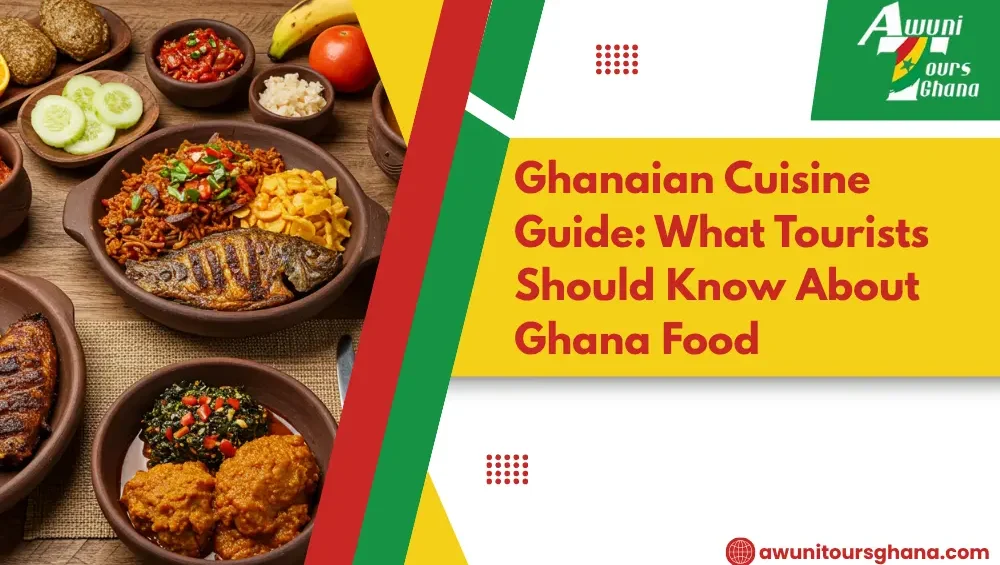
Ghanaian Cuisine Guide: What Tourists Should Know About Ghana Food

Ghanaian Cuisine Guide: What Tourists Should Know About Ghana Food

Ghanaian cuisine is more than just food it’s a window into the country’s culture, hospitality, and traditions. As a tourist visiting Ghana, understanding what do people from Ghana eat, how, and where people eat will make your experience richer and more meaningful. From spicy stews to fermented doughs, from street snacks to tropical drinks, Ghanaian food is diverse, delicious, and worth exploring.

This Ghanaian Cuisine Guide will walk you through the essential foods, customs, and culinary experiences to know before your journey begins.

Ghanaian Cuisine Guide: Top Things Tourists Should Know About Ghanaian Food

Food is a big part of daily life in Ghana, and understanding it adds a whole new layer to your trip. This Ghanaian Cuisine Guide highlights what tourists should know about local dishes, ingredients, and how meals are enjoyed across the country.

1. Ghanaian Cuisine Is Based on Local, Seasonal Ingredients

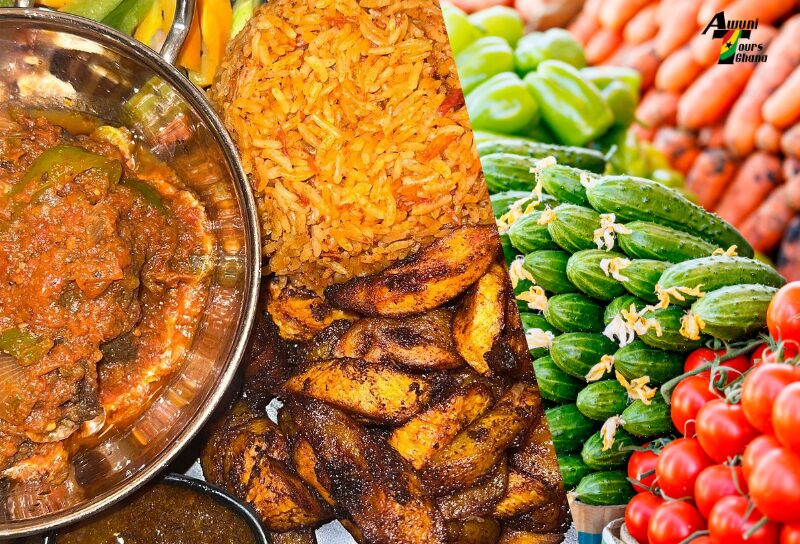
Traditional Ghanaian food is built around fresh, locally grown ingredients. Staples like cassava, maize, plantains, yams, and rice form the base of many dishes. Protein sources range from fish (especially in coastal areas) to goat, beef, chicken, snails, and beans. You’ll also see plenty of vegetables like tomatoes, garden eggs (local eggplant), okra, and cocoyam leaves.

Ghanaian Cuisine Guide: Ghanaian Cuisine Is Based on Local, Seasonal Ingredients

Spices and seasoning are central expect bold flavours from ginger, garlic, onion, chili, and local spice blends.

2. Meals Often Include a Starch + Soup or Stew

Most typical food of Ghana consists of a starch (like fufu, banku, rice, or kenkey) served with a rich soup or stew. These combinations vary by region and are often eaten by hand using the right hand only.

Popular pairings include:

  • Fufu with groundnut soup
  • Banku with okra stew or grilled tilapia
  • Kenkey with fried fish and shito
  • Jollof rice with chicken or goat stew
Meals Often Include a Starch + Soup or Stew.

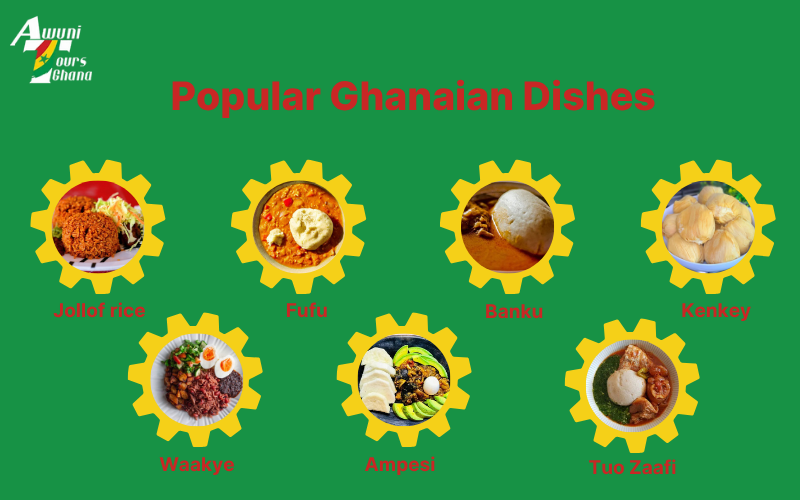
3. Popular Ghanaian Dishes You Should Try

Here are some of the most common and beloved dishes in Ghana:

Popular Ghanaian Dishes

Jollof Rice

Spiced tomato rice, usually served with grilled meat or fish. Every household has their own version.

Fufu

Made by pounding boiled cassava, yam, or plantain into a smooth dough. Served with soups like light soup, palm nut soup, or abenkwan (palm oil-based).

Banku

A sour dough ball made from fermented corn and cassava. Eaten with pepper sauce and tilapia or okra stew.

Kenkey

Similar to banku but wrapped in corn husks and steamed. Pairs well with fried fish and spicy condiments.

Waakye

A hearty rice-and-bean dish, typically served with boiled eggs, spaghetti, gari, stew, and sometimes meat or fish.

Ampesi

Boiled yam or plantain, served with palava sauce made from cocoyam leaves and often egusi (melon seeds).

Tuo Zaafi

A soft maize dish from Northern Ghana, served with green soup made from ayoyo or okra.

4. Street Food Culture Is Big in Ghana

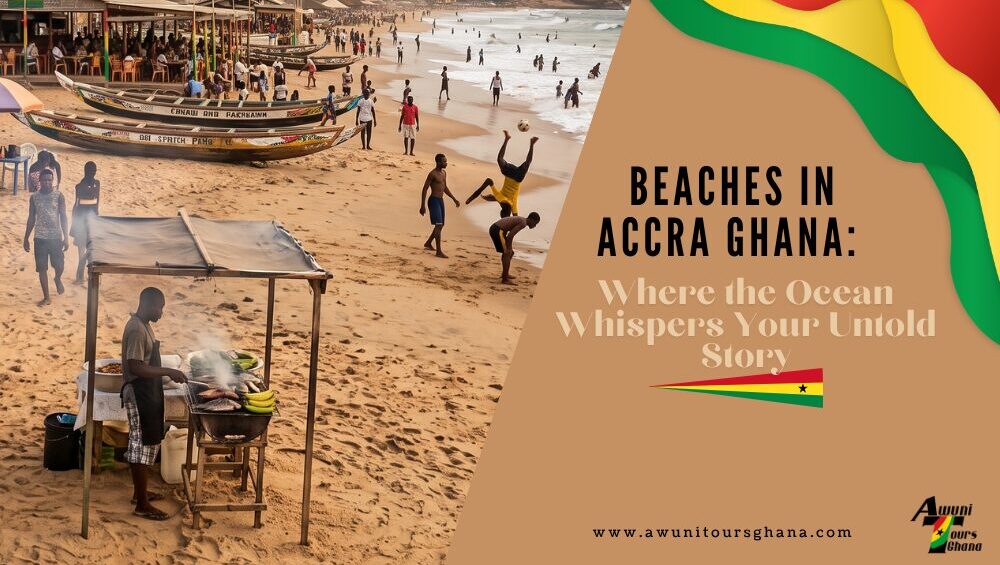
Ghana street food is a major part of daily life. It’s affordable, tasty, and everywhere from major cities like Accra and Kumasi to small towns.

Street Food Culture Is Big in Ghana

Look out for:

  • Kelewele – Spiced fried plantains
  • Bofrot – Sweet fried dough balls
  • Chinchinga – Grilled meat skewers
  • Roasted corn and coconut
  • Fried yam and fish
  • Meat pies – Pastries filled with minced meat
  • Agbeli Kaklo – Fried cassava balls

You’ll find these in night markets, roadside stalls, or sold by vendors during traffic stops.

5. Ghana Has Regional Food Differences

Different parts of Ghana have unique culinary traditions. As you travel, try these regional specialties:

Northern Ghana

  • Tuo Zaafi and Tubani (steamed bean cakes)
  • Millet-based porridges like koko and pito

Volta Region

  • Akple (cornmeal dough) with fetri detsi (okra or tomato-based soup)

Ashanti Region

  • Fufu with abunuabunu (a green soup made from kontomire and snails)

Coastal Regions

  • Seafood-based dishes like etor (mashed yam with palm oil and eggs) and octopus stew

Exploring food by region offers an authentic look at Ghana’s cultural diversity.

6. Local Drinks and Tropical Fruits Are Part of the Experience

Ghana’s tropical climate means fresh fruit and natural beverages are always in season. They’re often served with meals or as standalone refreshments.

Local Drinks and Tropical Fruits Are Part of the Experience

Popular Drinks:

  • Sobolo – Made from hibiscus petals, ginger, and cloves
  • Palm Wine – Slightly alcoholic sap from palm trees
  • Pito – Millet-based beer, usually homemade
  • Lamugin – A sweet, spicy drink made with rice and ginger
  • Brukina – A thick drink made from millet and milk
  • Coconut water – Sold fresh on the roadside

Local Fruits:

  • Mangoes, papayas, pineapples, bananas, avocados
  • Watermelons, guavas, and African star apples (alasa)

7. Dining Customs and Etiquette

Eating in Ghana is often communal, warm, and respectful. Keep these cultural norms in mind:

  • Use your right hand when eating or receiving food. The left hand is considered impolite.
  • Handwashing before meals is customary, especially when eating without utensils.
  • Food is shared—sometimes from a communal bowl, especially in family settings.
  • Ghanaians are hospitable—if you’re invited to eat, it’s polite to accept or try a little.
  • Meals may be spicy—ask for less pepper if you’re sensitive to heat.

8. Where Tourists Can Try Ghanaian Food

You don’t need to visit a fancy restaurant to enjoy Ghanaian cuisine. In fact, some of the best Ghana African food is found in:

  • Chop bars – Casual local eateries
  • Roadside stalls – Especially for snacks and street food
  • Home-cooked meals – If you’re lucky enough to be invited
  • Modern restaurants – Especially in Accra, with menus for all tastes

Ask locals for recommendations—they’re usually more than happy to point you toward their favourite food joints.

From spicy stews to fermented doughs, from street snacks to tropical drinks, Ghanaian food is diverse, delicious, and worth exploring. If you want to experience it firsthand, check out our Ghanaian food tasting tour for a guided culinary adventure.

Ghanaian cuisine is diverse, flavour-packed, and deeply rooted in the country’s history and culture. As a tourist, exploring the food is one of the best ways to connect with local people, customs, and traditions.

So don’t hold back—try the fufu, sip the sobolo, and sample the kelewele. Whether you’re at a street stall or a family table, Ghanaian food offers warmth, flavour, and memories you’ll never forget.

FAQs

Who serves the best Ghana street food in Accra?

Some of the best Ghana street food in Accra can be found at Osu Night Market, Madina Market, and Kaneshie Market, as well as from roadside vendors near busy intersections.

What spices are used in Ghanaian food?

Common spices include ginger, garlic, chili pepper, onions, anise seed, nutmeg, and local spice blends like suya and dawadawa.

What makes Ghanaian street food unique?

It’s freshly prepared, widely available, inexpensive, and deeply tied to local culture. Dishes like kelewele, red red, and grilled plantains are everyday favorites.

Why do Ghanaians eat with their hands?

Eating with the right hand is a cultural norm in Ghana, especially for traditional dishes like fufu. It creates a more tactile, communal dining experience.

Best Time to Visit Ghana

When Is the Best Time to Visit Ghana? Climate, Temperature, and Seasonal Guide

Ghana is a place that stays warm all year and welcomes visitors with open arms. From golden beaches and buzzing markets in Accra to national parks full of wildlife, there’s always something to see. But the weather changes from month to month, and knowing the right time to visit can make your trip smoother and more fun.

In this guide, you’ll find out the best time to visit Ghana, what the weather is like each month, and when festivals and wildlife are at their best. Whether you’re looking for dry days, cooler nights, or local celebrations, this seasonal guide covers it all.

Best time to visit Ghana

A Month-by-Month Guide on When to Go to Ghana

Ghana is a warm, vibrant country with different travel experiences throughout the year. Whether you’re visiting for sunny beach days, colourful festivals, or quiet nature escapes, each month offers something unique. This seasonal guide breaks down the climate, temperature, and key events on a month-by-month basis.

December to March – Best for Festivals, Wildlife, and Sunshine

This is the best time to visit Ghana Africa if you want dry days, great roads, and exciting events. These months are part of the dry season, with little to no rain. Travel is easier, and the weather feels cooler (though still warm) due to the Harmattan winds, which bring dry, dusty air blowing in from the Sahara.

December to March- best time to visit ghana

December is a favourite in Accra, with festivals like Afrochella bringing music, food, art, and dancing. Locals say this is the best time to visit Ghana, especially to explore the coast, enjoy the nightlife, or relax on the beach.

If you’re coming during this peak season, don’t miss our Ghana Packing Checklist, so you’re fully prepared for warm days and cultural events.

If you love animals, plan a trip between December and March. This is the best time of year to visit Ghana for wildlife viewing. In places like Mole National Park, elephants and other animals gather around watering holes, making them easier to spot.

April – Light Rain Begins

April marks the beginning of the rainy season, mostly in southern Ghana. It’s still warm, but rain can fall in the afternoon. If you’re okay with a bit of rain, April is a peaceful time to travel with fewer crowds. It’s a calm start to the rainy season, and everything begins turning green again.

April- best time of year to go to ghana

If you’re traveling to Ghana for the first time, this month gives you a nice mix of sunshine and greenery.

May – Heavy Showers Begin

May sees more consistent rainfall, particularly in the south. Expect heavy showers that might last for a few hours. Roads in the countryside can get muddy or flooded, but many areas are still reachable.

Tourism slows down during this time, so if you’re looking for quieter experiences and lower prices, this could work in your favour. Just come prepared with waterproof shoes and light rain gear.

travelling to ghana in May

It’s a good time to visit the best places in Ghana, especially indoor or cultural sites like museums, palaces, and historic forts.

June – Lush, Green, and Rainy

June is a full-on rainy month in the south. It rains often, but the country looks beautiful. If you don’t mind a few wet days, you’ll enjoy how fresh and green Ghana becomes.

visiting ghana in June

The Ghana temp stays warm, around 26°C (78.8°F) to 30°C (86°F). It’s a lovely time for people who enjoy nature and don’t need perfect weather every day.

July – Short Dry Break in the South

July gives a short dry break in southern Ghana. There’s still some rain, but it’s less intense. Travel gets easier, and it’s a nice month to explore the coast or go shopping in Accra’s busy markets.

July – Short Dry Break in the South

Photography is better this month too, fewer cloudy days and lots of life around.

August – Still Dry in the South, Rainy in the North

August is a mix. The south stays a little dry, while the north like Tamale sees more rain. If you remain in the southern cities, it’s a good time for beach trips and day tours. The humidity is lower than in the rainy months.

This is a nice time for travellers who want to explore and still enjoy dry weather.

travelling in August for Ghana Africa

August is a great time for cost-conscious travellers—fewer crowds often mean better deals on flights and accommodation. If you’re curious about trip expenses, check out our guide on Ghana travel costs to plan smart and stretch your budget.

September – Rains Return

In September, the rain comes back, especially in southern Ghana. It’s still hot and humid, and you’ll see more thunderstorms. Roads may be slower, but the views are amazing. Trees and plants are at their greenest.

September month visit to ghana

If you want peace, this is a great month to visit with lower prices and fewer crowds.

October – End of the Rain

October marks the end of the rainy season in the south. Showers happen, but they don’t last long. Travel is easier, and the average temperature in Ghana stays between 25°C and to 31°C.

October - time to visit ghana africa

You’ll still enjoy greenery, but without too much rain. It’s a good time to take day trips and explore smaller towns.

November – Dry Season Starts Again

November is the start of the dry season. The Harmattan returns, so the air becomes drier, and the skies can appear dusty. But it’s easier to travel again, especially if you’re heading to Mole National Park or planning safaris in the north.

November-  seasonal guide to go to ghana

November is perfect if you want sunshine without the holiday rush. It’s a quiet, warm month, ideal for early travellers.

Best Time to Visit Ghana Based on Your Travel Plans

  • For festivals, sunshine, and easy travel: December to March is the best choice.
  • For green landscapes and fewer crowds: Consider April to July.
  • For quiet travel before the high season: October and November offer great balance.
  • For wildlife spotting and nature: Plan your trip between December and March.

No matter when you go, the Ghana climate is warm and welcoming year-round. Just check the forecast, pack for the season, and enjoy everything this beautiful country has to offer.

Ghana isn’t just a place, it’s a feeling. Whether you’re chasing music in the streets of Accra, spotting elephants in the wild, or enjoying calm coastal evenings, the timing of your trip can shape your entire experience.

If you’re someone who loves sunshine, local culture, and smooth travel days, Visit Ghana is when the skies are dry and the festivals are in full swing. But if you’re curious about green landscapes and a quieter atmosphere, the rainy season has its charm too.

FAQs

What is the hottest month in Ghana?

March is the hottest month in Ghana. Temperatures nudge 30°C (86°F) on the south coast but can top 40°C (104°F) further north.

What is the climate like in Ghana?

The Ghana climate is tropical, which means it’s warm all year round. The country has two main seasons: a dry season (from November to March) and a rainy season (from April to October). The Harmattan winds in the dry season bring cooler, dusty air, especially in the north.

Is Accra weather different from other parts of Ghana?

Yes. Accra weather is slightly more humid and coastal. The north (like Tamale) is usually drier and hotter. Rain starts earlier in the south and ends later than in the north.

Can I visit Ghana during the rainy season?

Yes, but be prepared for short heavy rains, especially from May to June. The scenery is beautiful and green, and there are fewer tourists, making it a peaceful time to explore.

What’s the best time to go to Ghana for wildlife?

If you want to see animals like elephants, antelope, and monkeys, the best time to go to Ghana for wildlife is during the dry season from December to March. It’s easier to spot animals around watering holes.

Articles You May Like: