Ghana Culture: Traditions, Community, and Modern Innovation
Ghana culture is a living, breathing system that shapes how people live, work, and support one another every single day. Instead of being trapped in a museum, ancient traditions are woven directly into modern city life, corporate offices, and local neighborhoods. For anyone thinking about traveling to West Africa, getting to know this culture means moving past the standard tourist sights and seeing how a modern nation keeps its soul intact by using the wisdom of its ancestors to handle the challenges of today.
Two Systems of Leadership Working Together
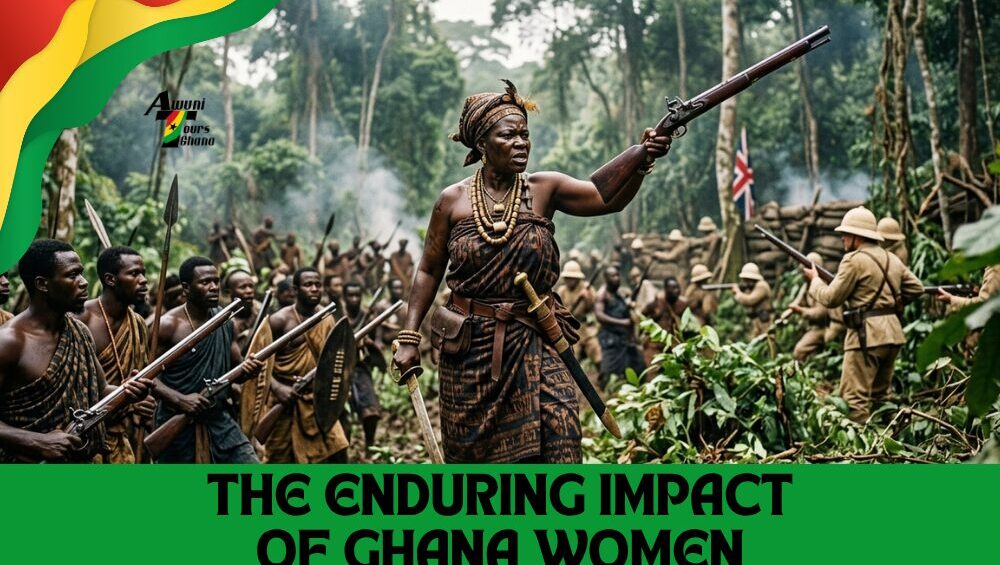
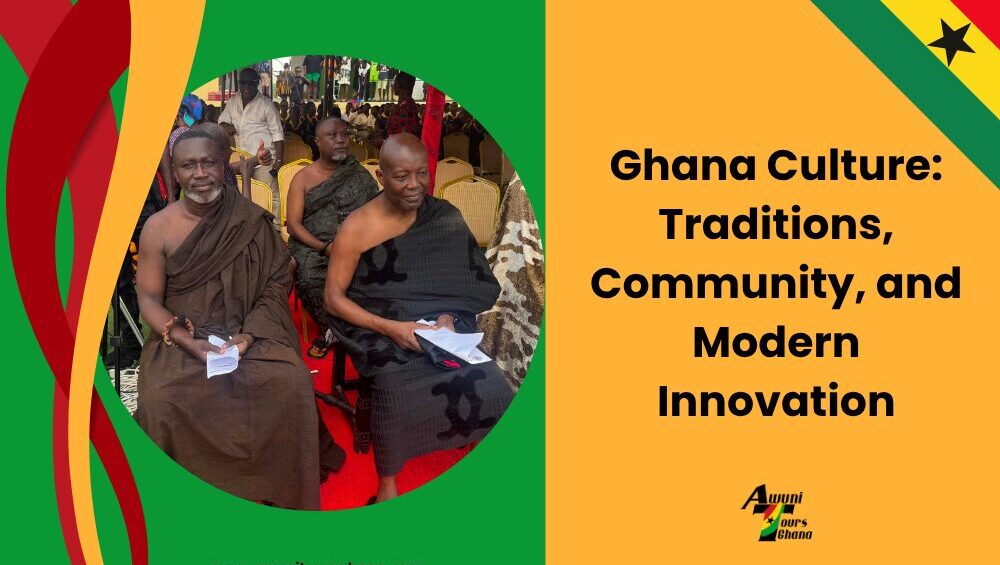
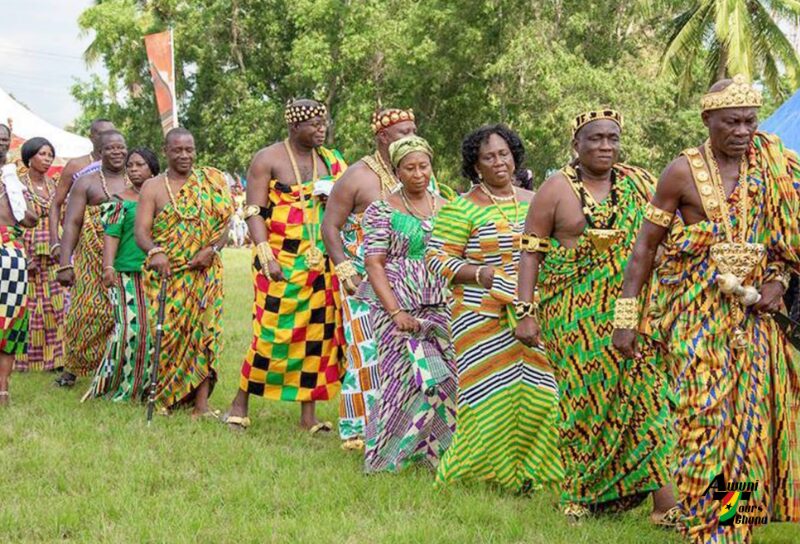
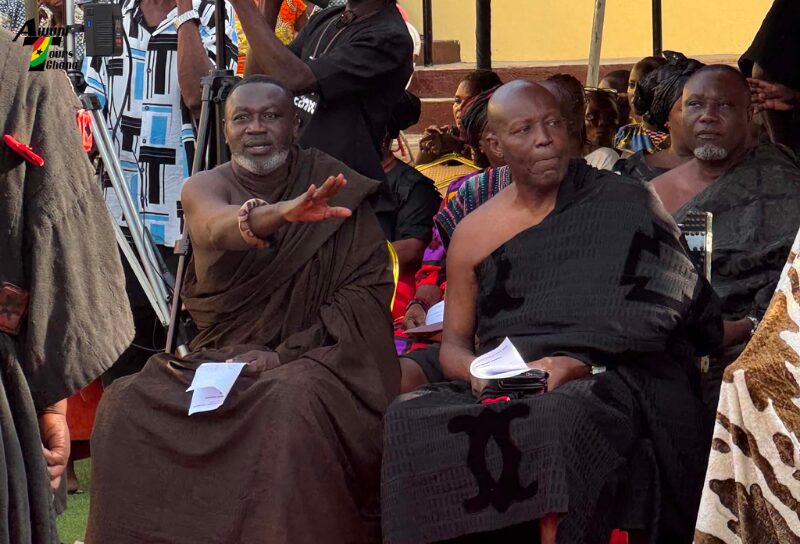
One of the most fascinating parts of Ghana culture is the way everyday life is guided by two different systems of leadership: the modern government and traditional tribal rule. While the central government handles national laws, economy, and foreign affairs, traditional leaders like chiefs and Queen Mothers handle local community life. They don’t fight for power; instead, they work side by side to keep society stable.
In Ghana culture, a chief or Queen Mother holds a deeply respected, active office. They don’t just wear ceremonial regalia for special events; they hold regular court sessions to settle local land arguments, help families resolve personal disputes, and organize community projects. Because people deeply respect these customary leaders, communities have a built-in safety net that maintains peace and order, even in small villages far away from formal government courts.
The Historic Castles Along the Coast
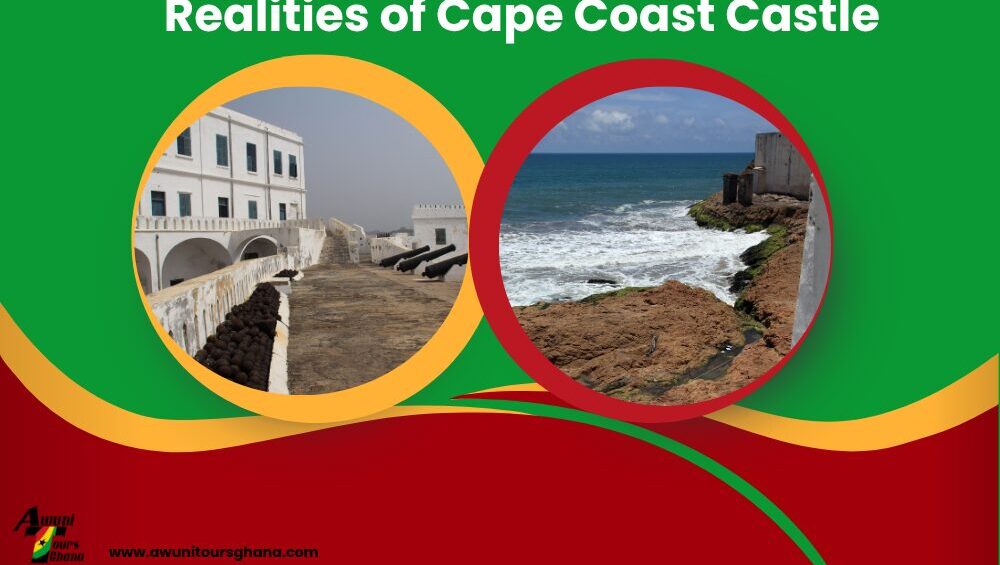
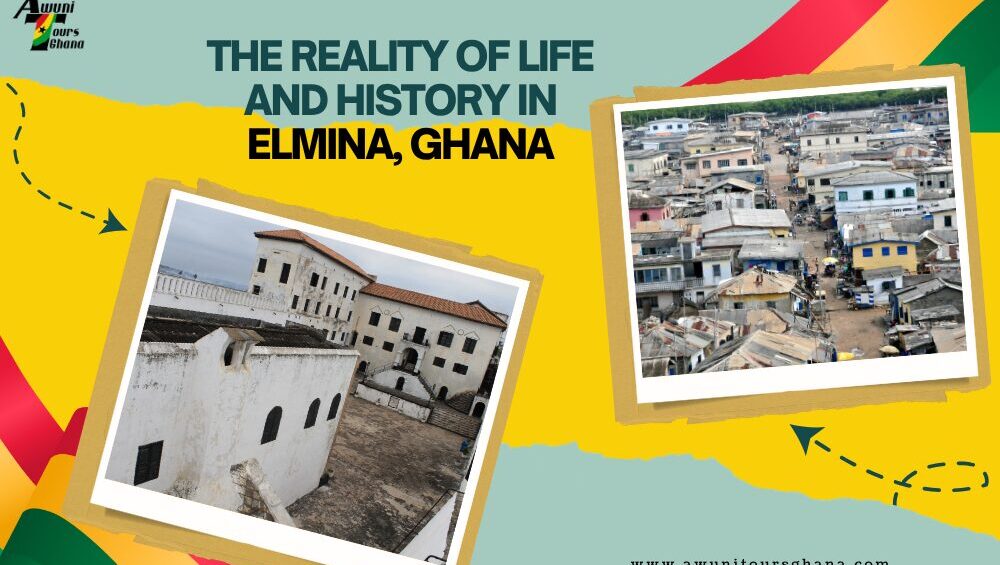
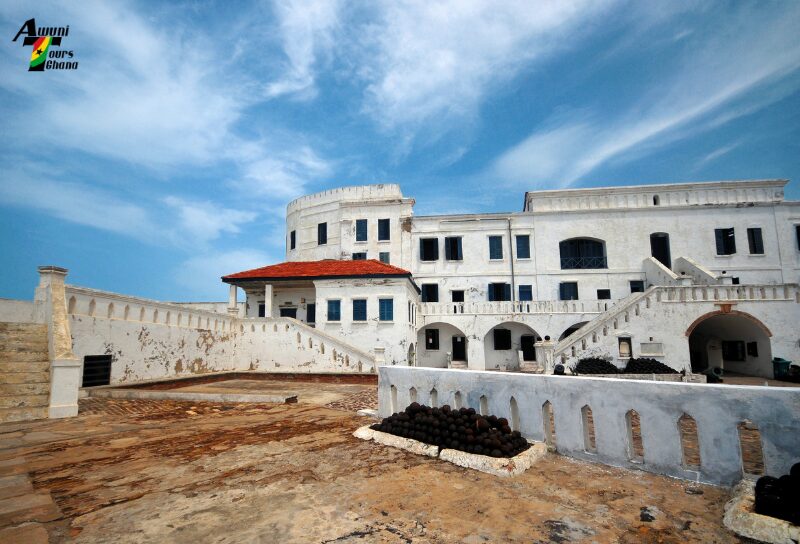
The physical coastline holds a heavy but crucial piece of Ghana culture. Towering white stone fortresses and castles, like Elmina Castle and Cape Coast Castle, stand right on the Atlantic ocean. Built centuries ago starting with the Portuguese, these structures were eventually used by European powers to run the transatlantic slave trade.
Today, rather than tearing these painful buildings down or hiding from the past, the nation keeps them open as powerful places of learning and reflection. Within Ghana culture, these castles serve as vital connection points for people traveling from all over the world, especially the African diaspora, to honor their ancestors. Visiting these sites gives you a direct, honest look at history and shows the incredible resilience of the people who moved forward to build the nation we see today.
Festivals that Bring History to Life
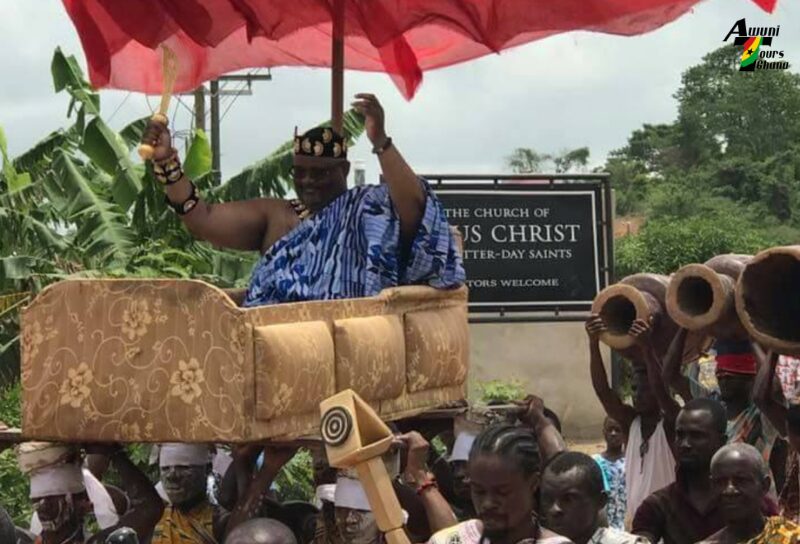
Festivals in Ghana culture are not staged shows put on for tourists; they are massive, highly anticipated annual celebrations that serve as a community’s living history book. Major events like the Homowo of the Ga people, the Hogbetsotso of the Ewe, and the Akwasidae of the Ashanti kingdom take months of careful planning by local traditional councils.
During these festivals, history comes alive in the streets. Chiefs are carried through cheering crowds in elaborate palanquins, dressed in brilliant, handwoven clothing, while sub-chiefs publicly pledge their loyalty to the community. But these festivals are also practical. They give communities a dedicated time to settle old political disagreements publicly, honor those who came before them, and talk about how to pool resources for new local development projects like building schools or clinics.
Reading the Secret Meanings in Fabrics and Symbols
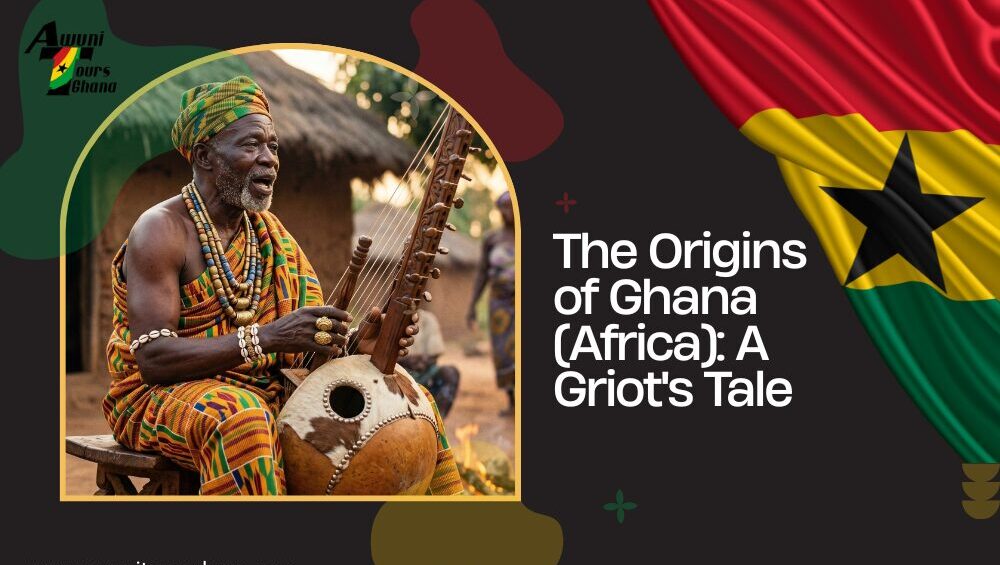
The material arts in this society are filled with brilliant visual languages. Take Kente cloth, the world-famous, brightly colored geometric fabric woven on traditional wooden looms by Ashanti and Ewe weavers. In Ghana culture, Kente is actually a coded language. Every single color choice and geometric pattern tells a specific story, represents a historical event, or carries a distinct philosophical message. While it was once reserved only for kings and queens, today people wear it to celebrate life’s biggest milestones, from weddings to graduations.
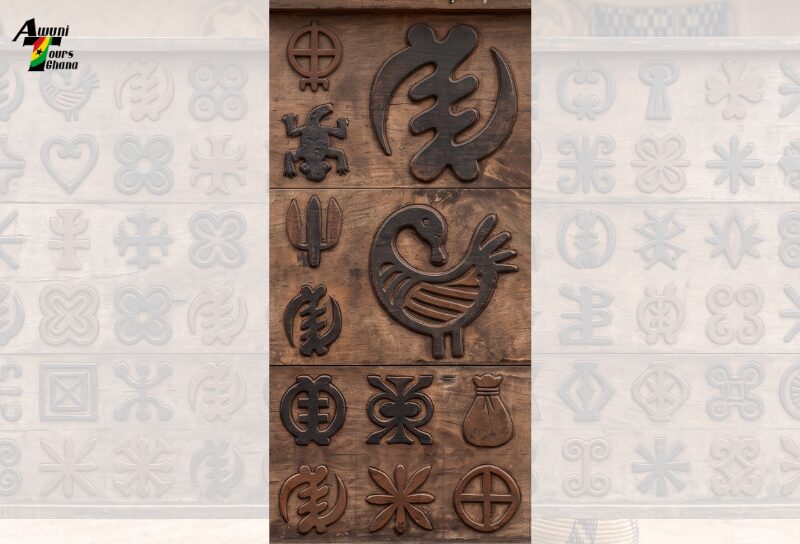
Alongside Kente, you will see Adinkra symbols everywhere you look. These historic visual icons are stamped onto clothing, carved into wood, and welded into modern buildings. Each symbol stands for a famous proverb or piece of wisdom. For example, the Sankofa bird symbol teaches that you must look to the past to build a better future, while Gye Nyame represents the ultimate power of the divine. Seeing these symbols on everything from corporate logos to everyday gates shows how traditional wisdom stays relevant in a modern world.
The Financial Powerhouse of the Local Markets
If you want to see the true energy of the domestic economy, you have to look at the massive open-air marketplaces like Makola Market in Accra or Kejetia Market in Kumasi. These giant hubs are the economic engines of the country, moving food, clothes, and goods across the region. These markets are organized, managed, and run almost entirely by powerful networks of women led by elected leaders known as Market Queens.
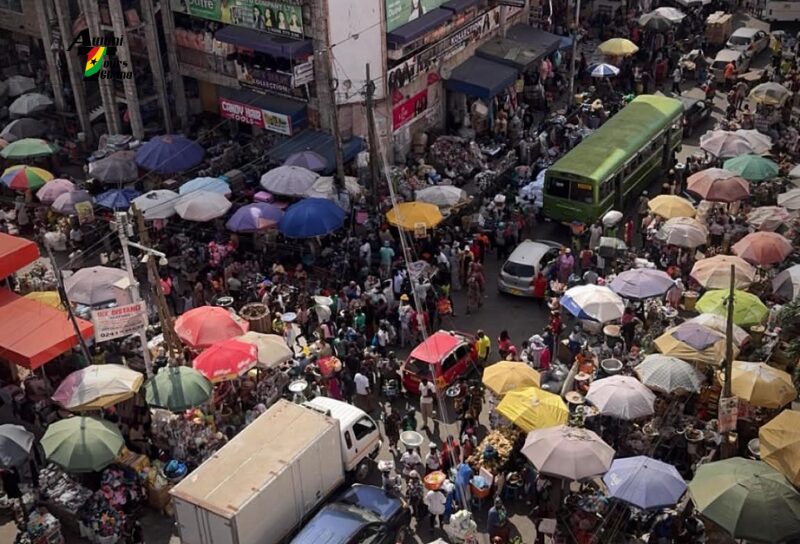
These Market Queens have incredible influence within Ghana culture. They negotiate transport routes, settle business arguments on the fly, and set fair prices for commodities. Because formal bank loans can be tough to get, these market women invented and perfected their own community banking system called susu. Members of a marketplace pool their money together regularly and give the total sum to one woman at a time, allowing her to make major upgrades to her shop or take care of family needs without drowning in bank debt. This grassroots financial system keeps local communities stable and thriving.
Food as a Way to Connect
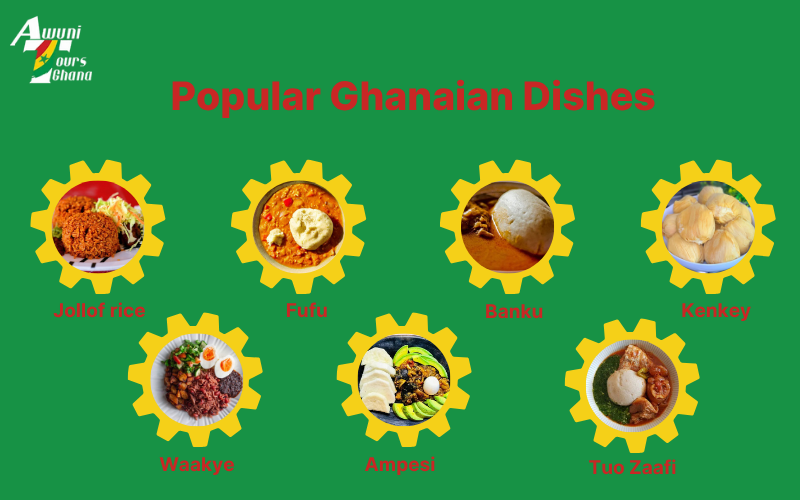
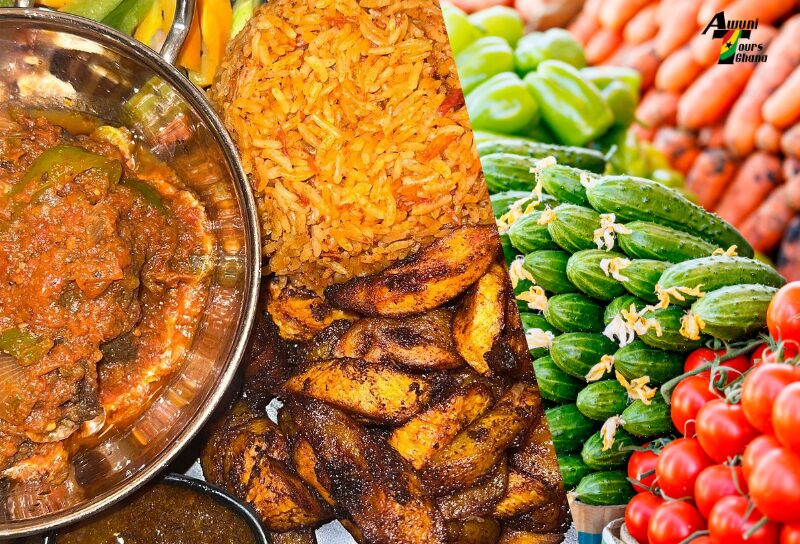
The food within Ghana culture reflects the diverse land and farming traditions of the country. Primary staples like fufu (pounded cassava and plantains) and banku (fermented corn and cassava dough) take hours of heavy, collaborative physical work to prepare. Because making these meals is such a big job, cooking is naturally a social, family-centered event.
These dishes do more than just feed people; they connect communities to their roots. For instance, during the Homowo festival, traditional leaders walk through the streets ritually scattering a special festive cornmeal dish called kpokpoi. This acts as a symbolic way to thank the ancestors for a good harvest and celebrate victory over past hardships. Trying the local food gives you a direct seat at the table of a deeply communal way of life.
Why You Should Travel to Experience it Yourself
For an intentional traveler, the real magic of going to West Africa is getting to see this active, supportive social system in person. Immersing yourself in Ghana culture means stepping off the generic resort paths and spending time in the spaces where real life happens—whether that means sitting in on a lively chief’s court session, visiting a family weaving workshop, or navigating the bright lanes of a local market.
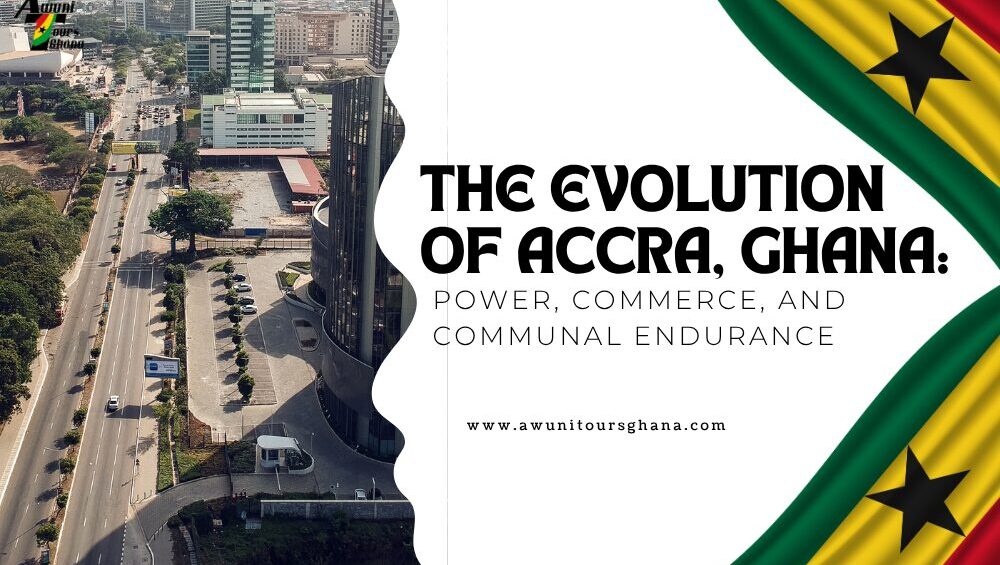
Seeing how people comfortably balance smartphone technology and digital apps with historic custom, and how they prioritize looking out for their neighbors, is an incredible eye-opener. Traveling here shows you a society that doesn’t view its heritage as something old and dusty, but as a practical, brilliant toolkit for living a meaningful, connected life today.
FAQs
How do the two different leadership systems in Ghana work together to keep society stable?
The central government handles national laws, the economy, and foreign affairs, while traditional leaders like chiefs and Queen Mothers manage local community life. Instead of competing for power, they work side by side, with traditional leaders holding regular court sessions to settle local disputes and organize community projects.
What role do the historic coastal castles play in contemporary Ghana culture?
Rather than tearing down structures like Elmina Castle and Cape Coast Castle, the nation preserves them as powerful places of learning and reflection. They serve as vital connection points for visitors from all over the world, particularly the African diaspora, to honor their ancestors and reflect on the history of the transatlantic slave trade.
Why are festivals considered practical events rather than just staged shows for tourists?
Festivals serve as a community’s living history book and provide a dedicated, open forum for practical governance. During these events, traditional councils publicly settle old political disagreements, honor historical ancestors, and discuss how to pool resources for local development projects like building clinics or schools.
What is a “susu” system, and how does it support marketplace traders?
A susu system is a grassroots community banking method where market women pool their money together regularly and give the total collected sum to one member at a time. This rotating credit allows traders to make major upgrades to their shops or cover family needs without relying on formal bank loans or accumulating debt.