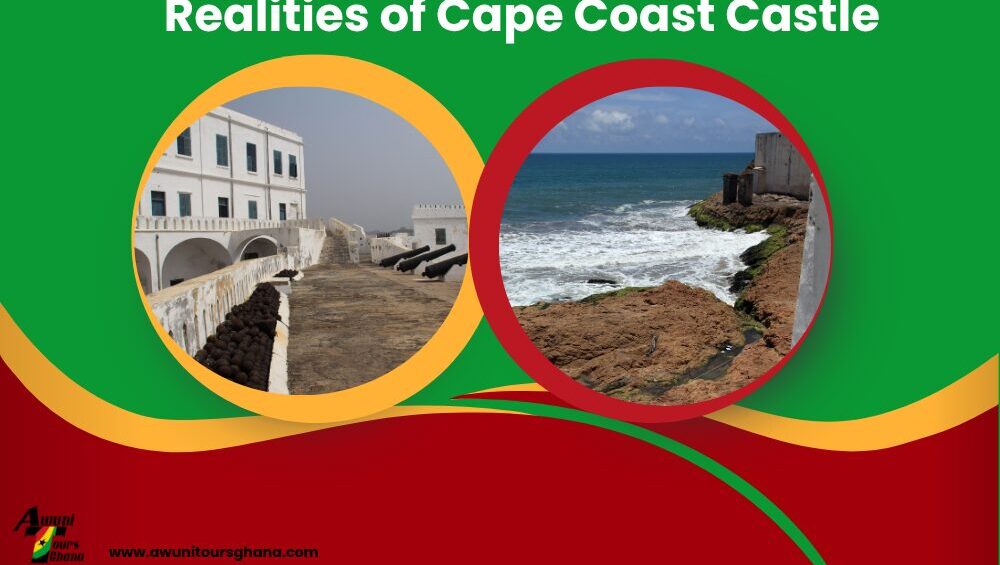
Realities of Cape Coast Castle
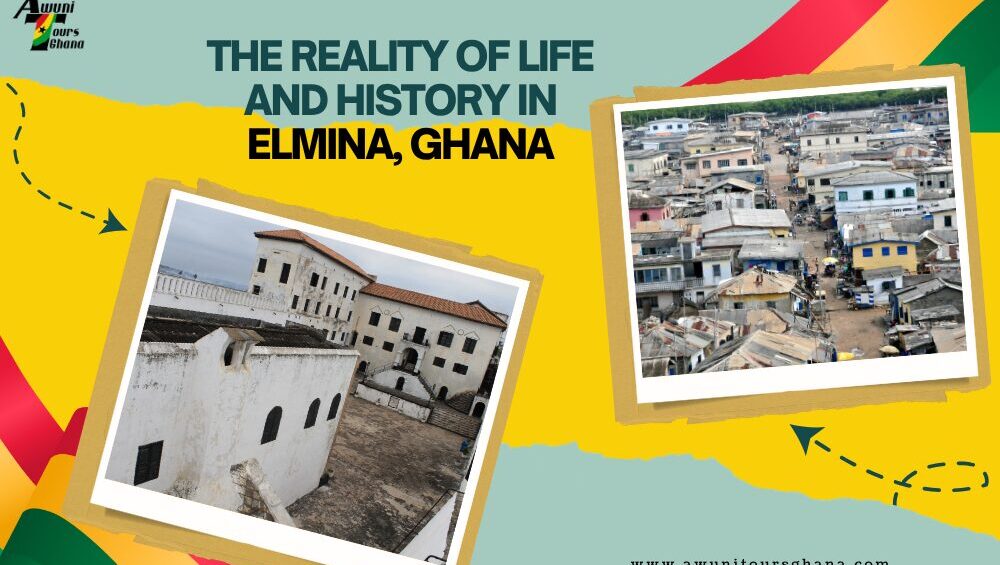
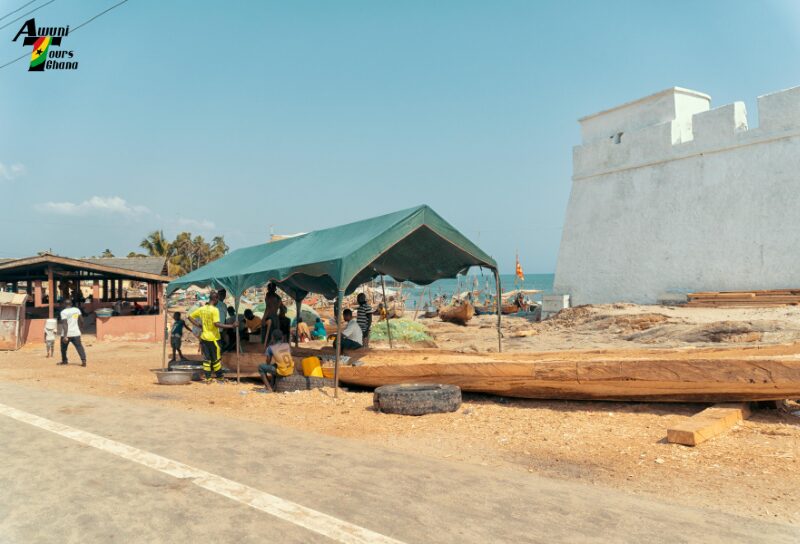
Cape Coast Castle stands as one of the most significant and stark material records of transcontinental trade, colonial warfare, and human exploitation in West Africa. Located in the central region of Ghana, Cape Coast Castle is not merely an ancient building or a static tourist stop; it functions as a profound educational monument that bridges a painful global past with a deeply conscious present. For travelers, historians, and members of the global African diaspora, exploring the history of Cape Coast Castle provides an unvarnished look at how European commercial rivalries altered the course of global history and how modern Ghana preserves this memory to foster international reconciliation.
The Architectural Evolution and Colonial Rivalries of Cape Coast Castle
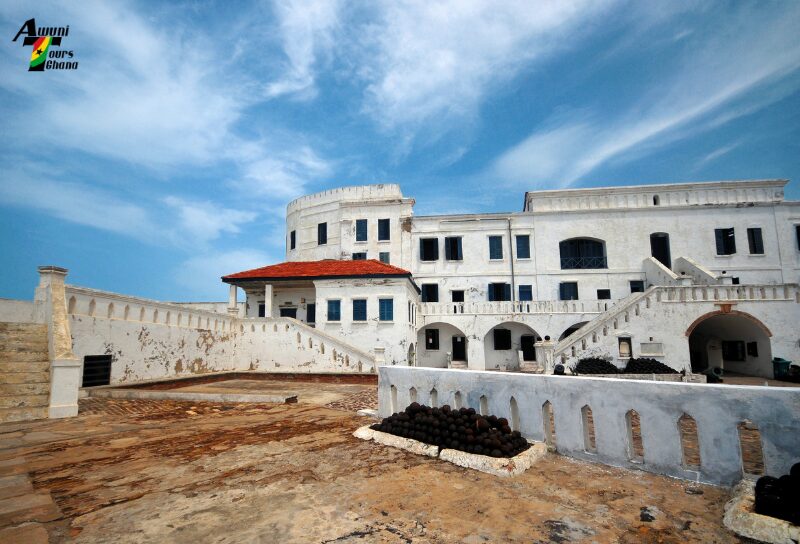
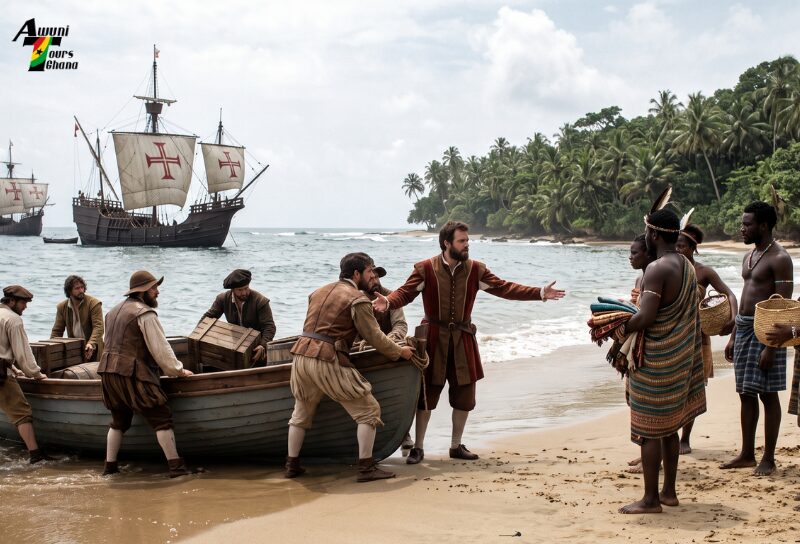
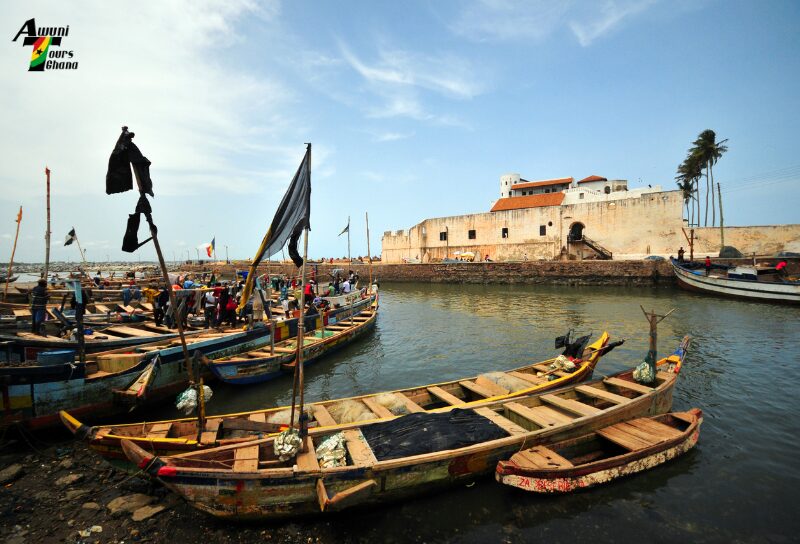
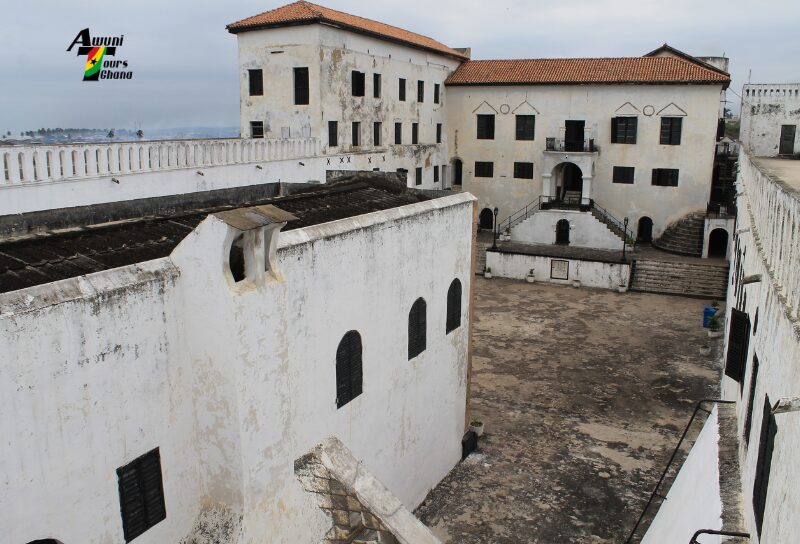
The physical layout of Cape Coast Castle reflects centuries of shifting geopolitical power between competing European nations. The initial structure on the site was a small timber trading post established by the Portuguese in the sixteenth century, primarily used for purchasing gold and timber from local merchants.
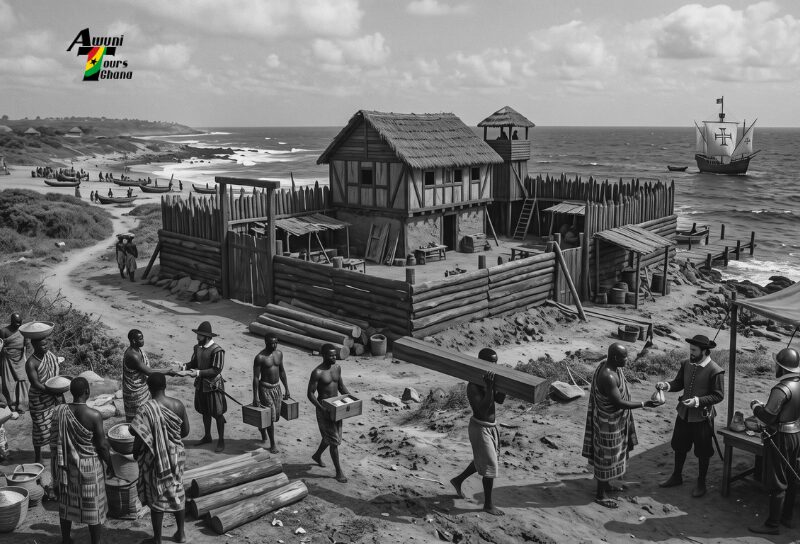
However, the strategic value of the coastline quickly drew the attention of other European powers. The Swedish Africa Company erected a grander timber fort in 1653, naming it Fort Carolusburg. Over the next decade, control of the site bounced rapidly between the Swedes, the Danes, the Dutch, and local Fetu chiefs, each modifying the fortification to secure a monopoly over regional trade.
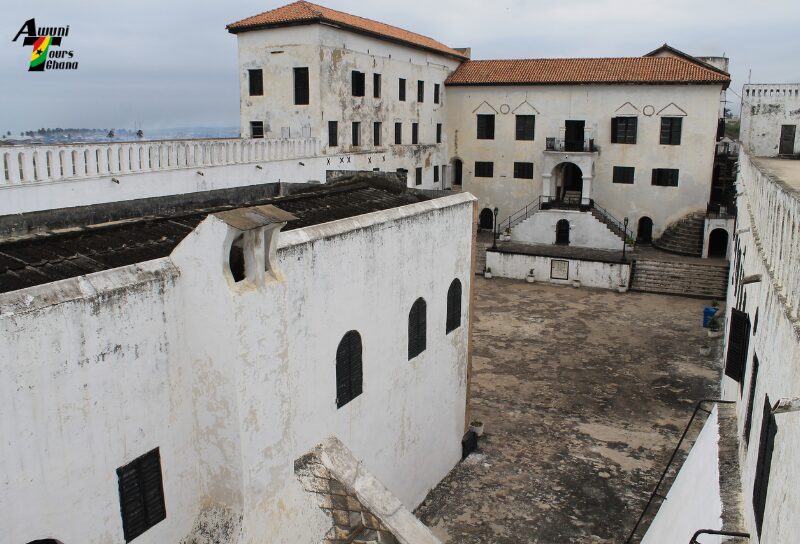
The definitive transformation of Cape Coast Castle began in 1665 when the British captured the fort. Under British administration, the structure was systematically rebuilt and vastly expanded using permanent stone and brick, transforming the castle into a massive, fortified headquarters for the Royal African Company. The British engineered the building to maximize defensive capabilities against naval bombardments from rival European nations while simultaneously optimizing the internal layout for a grim new commercial focus: the transatlantic slave trade.
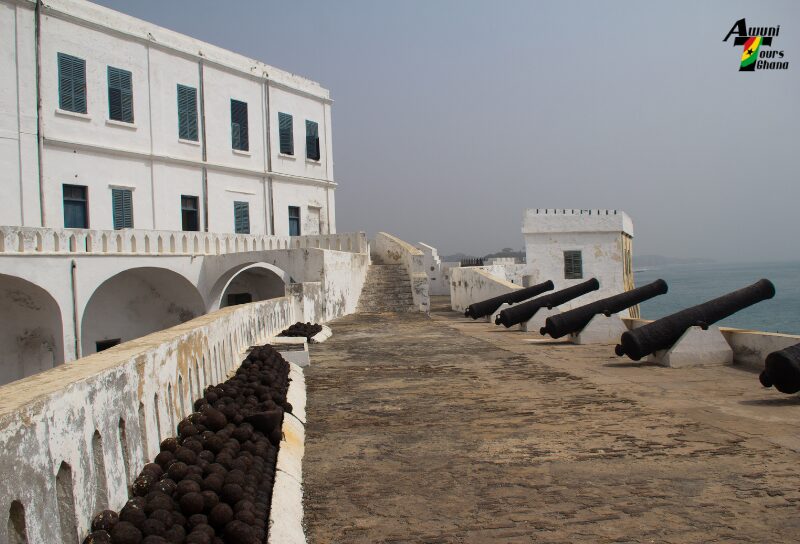
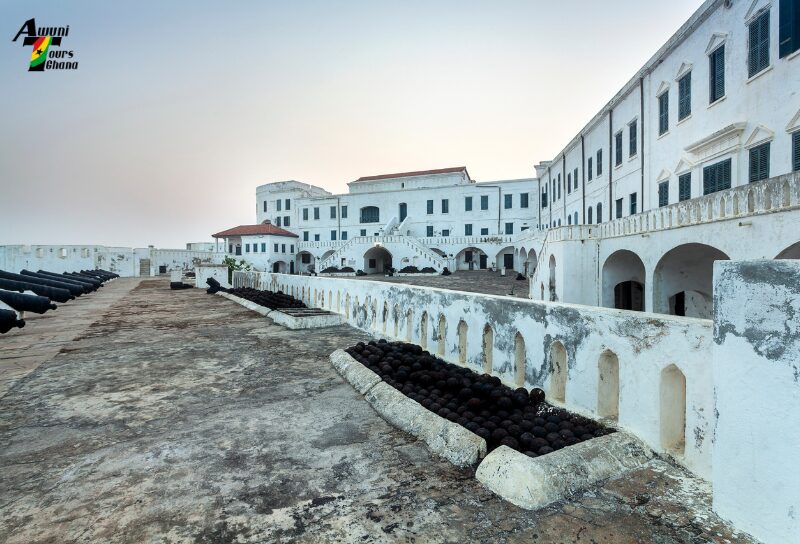
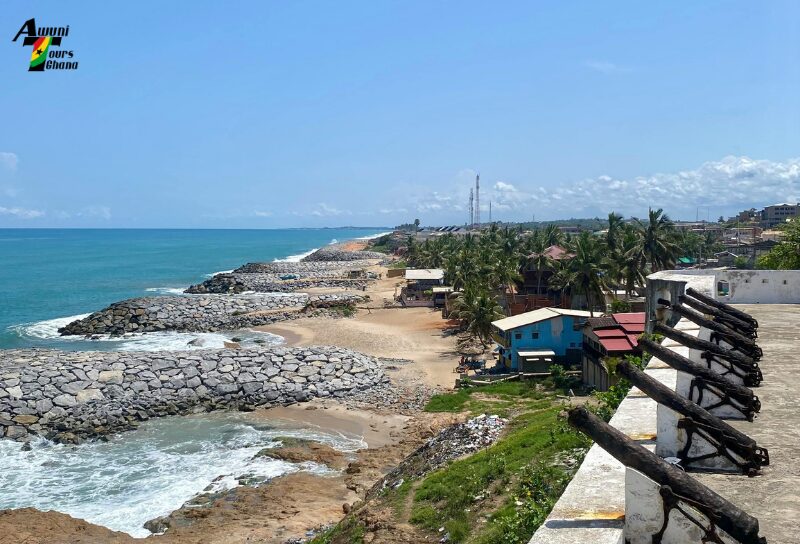
The architectural blueprint of Cape Coast Castle became a literal manifestation of institutionalized cruelty, featuring thick defensive outer walls lined with heavy cannons facing the sea, luxurious residential quarters for the British governor and officers on the upper floors, and subterranean dungeons carved into the bedrock below.
The Subterranean Dungeons and the Mechanics of the Slave Trade
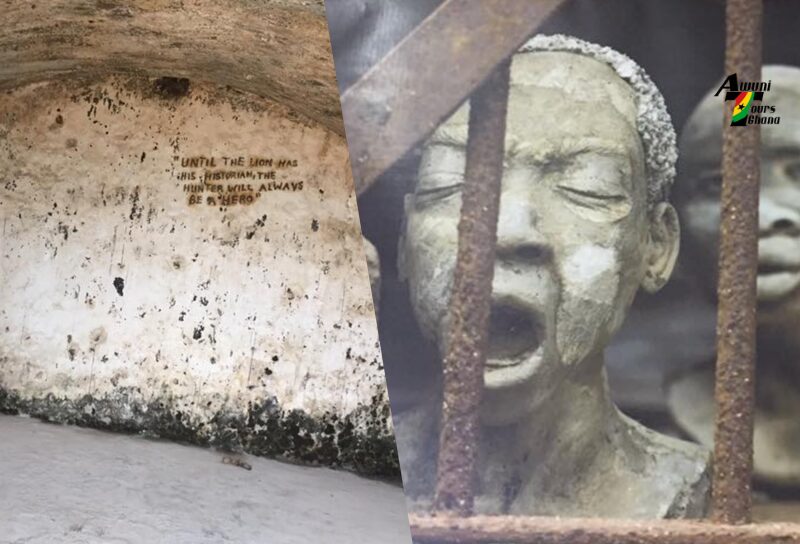
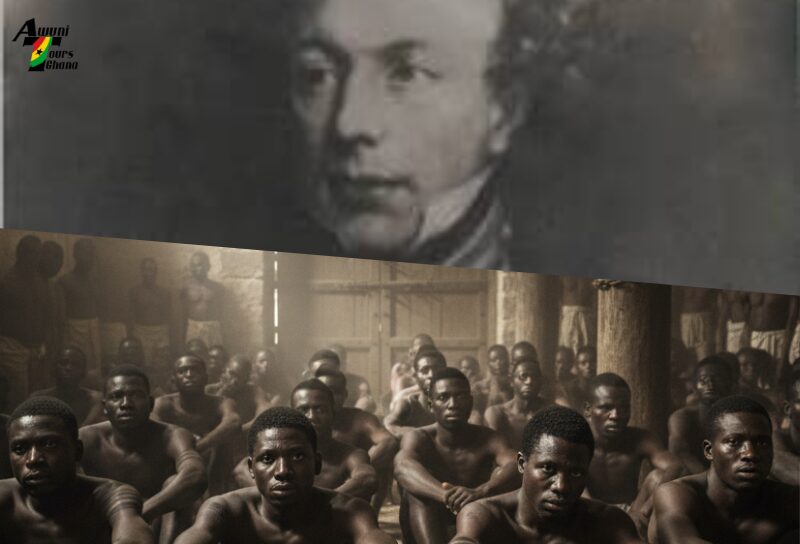
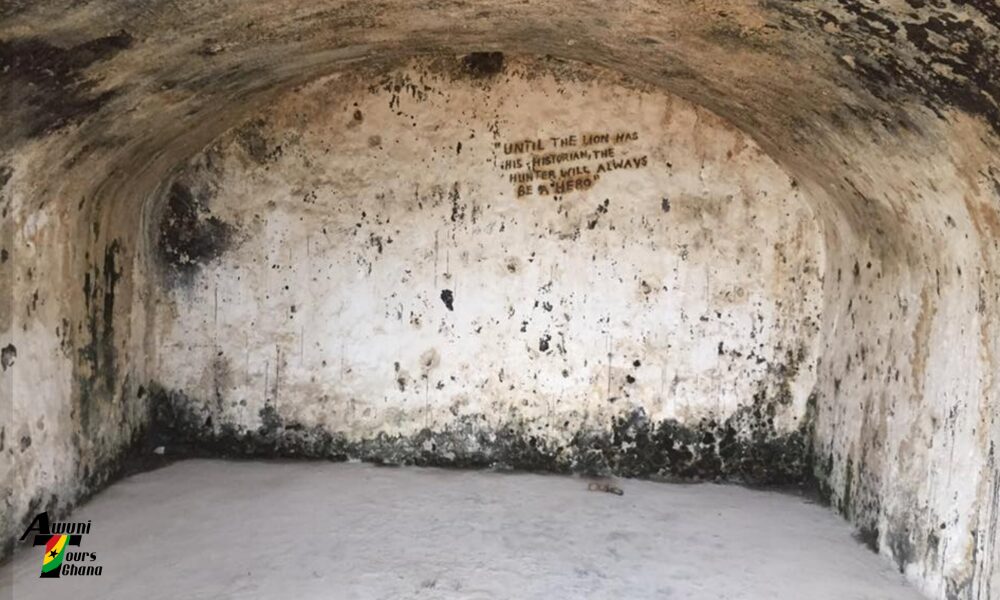
To understand the historical reality of Cape Coast Castle, one must examine the operational mechanics of its underground chambers. While the upper levels of the castle housed the administrative offices, chapel, and comfortable living quarters of the colonial elite, the lower levels were engineered to hold hundreds of enslaved African men, women, and children at any given time. These subterranean dungeons were dark, poorly ventilated, and completely cut off from the outside world, save for a few narrow slits in the stone walls that allowed minimal light to penetrate.
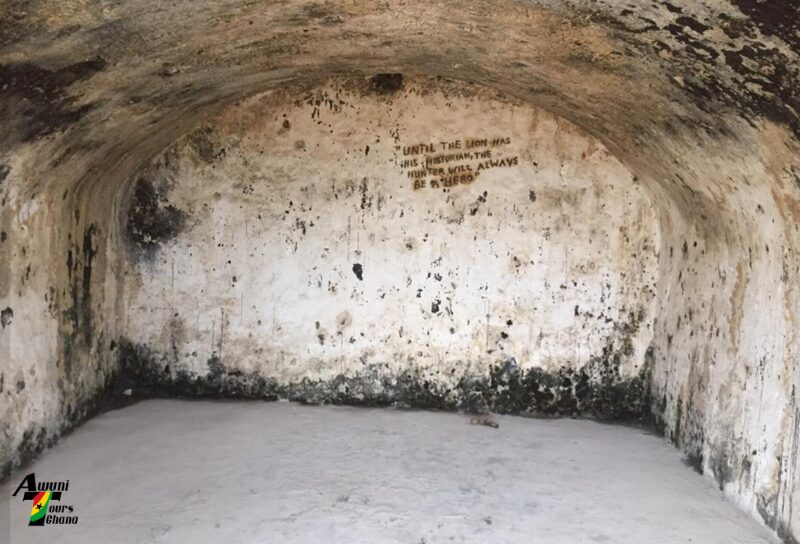
Enslaved individuals were brought to Cape Coast Castle from deep within the interior after surviving brutal forced marches. Once inside the castle, they were classified by gender and age, stripped of their belongings, and packed into the underground vaults for weeks or months while awaiting the arrival of European slave ships. The design of Cape Coast Castle ensured total segregation between the captors and the captives; British soldiers watched the prisoners from overhead platforms, maintaining complete control over the population through intimidation and physical force.
The floor of the dungeons, made of packed earth and stone, still retains the physical layers of compacted biological waste from that era, serving as undeniable material proof of the extreme overcrowding and systemic dehumanization that occurred within Cape Coast Castle.
The Door of No Return: The Point of Final Departure
The emotional and historical focal point of Cape Coast Castle is a single, narrow exit built into the seaward fortification wall known as the Door of No Return. This portal served as the final exit point for millions of Africans who were led out of the underground dungeons of the castle directly onto small transport boats, which rowed them out to the larger slave ships anchored in the Atlantic Ocean.
Passing through this threshold meant the absolute permanent severance of individuals from their homelands, families, cultures, and languages, marking the beginning of the brutal Middle Passage across the ocean.
Architecturally, the Door of No Return within Cape Coast Castle was designed to minimize resistance. The corridor leading to the door is tight and heavily guarded, preventing any opportunity for escape or rebellion at the final moment of departure. For centuries, this small wooden door inside Cape Coast Castle symbolized the absolute power of the transatlantic slave trade system.
Today, the preservation of this specific exit point is a critical component of historical education, illustrating the precise geographical point where individual human lives were systematically converted into commercial commodities under colonial law.
The Present-Day Transformation and the Door of Return
In the decades following Ghana’s independence in 1957, the national consciousness regarding Cape Coast Castle shifted from a symbol of colonial oppression to an active site of education, remembrance, and cultural reunion. Today, Cape Coast Castle is recognized as a UNESCO World Heritage site, protected by strict preservation laws to ensure that the physical evidence of the transatlantic slave trade is never erased or minimized. Rather than shuttering the building, the modern Ghanaian government and traditional councils utilize Cape Coast Castle as a living educational institution.
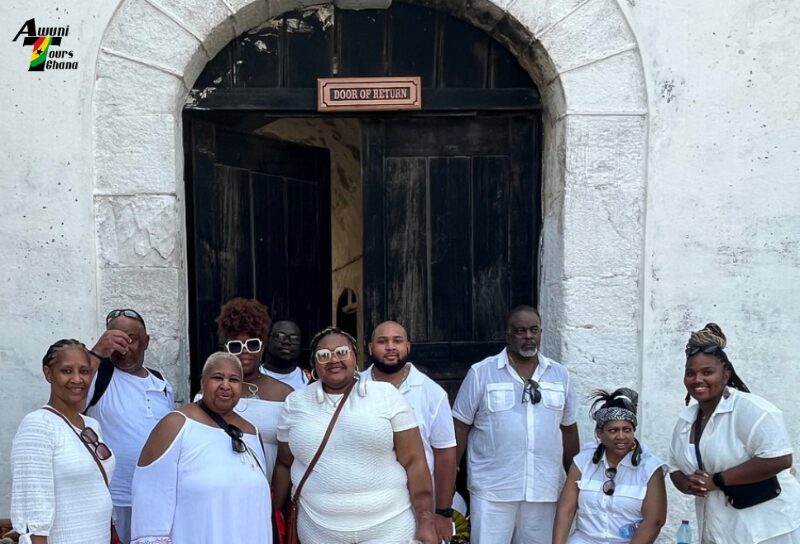
A powerful contemporary evolution of Cape Coast Castle is the symbolic reversal of its most famous architectural feature. On the reverse side of the Door of No Return, facing the Atlantic Ocean, a plaque now reads “The Door of Return.”
This inscription symbolizes the welcoming back of the African diaspora to the African continent. Every year, thousands of people from the Americas, the Caribbean, and Europe travel to the castle to walk backward through the door, reversing the journey of their ancestors. This contemporary practice has transformed Cape Coast Castle from a monument of historical trauma into a global sanctuary for healing, identity reclamation, and historical reconciliation.
Cape Coast Castle as a Center for Global Education and Festivals
In the contemporary era, Cape Coast Castle serves as an indispensable educational resource for schools, international universities, and human rights organizations. The upper administrative rooms of the castle have been converted into a comprehensive museum that displays historical artifacts, including trade chains, branding irons, old European maps, and traditional local weaponry.
This museum within Cape Coast Castle focuses strictly on the historical facts of the era, detailing the economic networks that fueled the trade, the specific European companies involved, and the vibrant pre-colonial African societies that were disrupted by the trade.
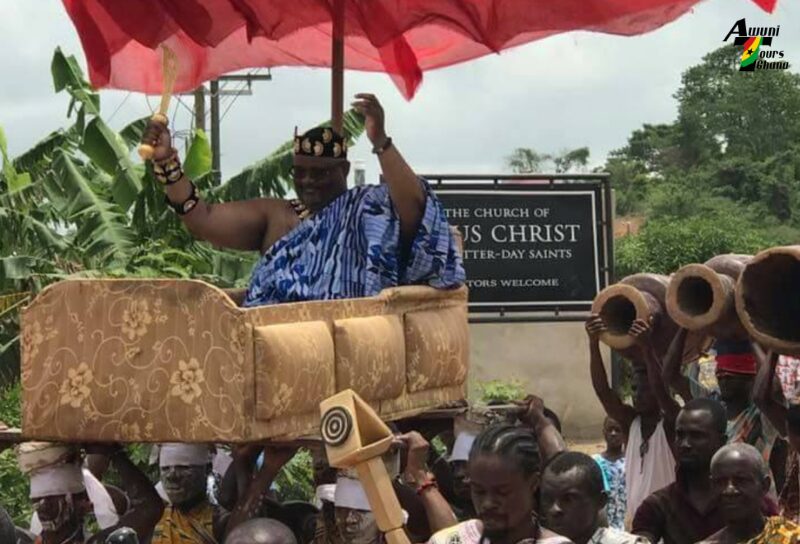
Furthermore, the castle plays a central role in national cultural festivals, most notably Panafest (the Pan-African Historical Theater Festival) and Emancipation Day celebrations. During these events, traditional Ghanaian leaders, international diplomats, and visitors gather at Cape Coast Castle to participate in wreath-laying ceremonies, historical lectures, and reflective vigils inside the dungeons. These gatherings ensure that Cape Coast Castle remains relevant to modern global conversations about human rights, systemic equality, and historical justice, proving that the lessons of the past are actively used to build a more conscious global community.
Why Visiting Cape Coast Castle is a Necessary Historical Encounter
For any traveler looking to understand global history, a visit to Cape Coast Castle provides an irreplaceable, direct encounter with the past. Reading about the transatlantic slave trade in academic textbooks cannot compare to the factual reality of standing inside the stone walls of the castle, observing the contrast between the governor’s grand balcony and the dark vaults below. Cape Coast Castle forces visitors to confront the historical realities of global commerce, human resilience, and the long-term impacts of colonization that still shape international dynamics today.
Visiting Cape Coast Castle is not a passive sightseeing excursion; it is an active educational experience that challenges individual perspectives and deepens global historical understanding. By exploring the castle, you witness a nation that openly honors its historical scars, utilizing a site of monumental tragedy to teach future generations about the absolute necessity of human dignity, freedom, and global solidarity.
FAQs
Which European powers held control of the site before the British permanently transformed it into a massive stone fortress?
The site originally began as a small Portuguese trading lodge in the sixteenth century. Control then shifted rapidly between the Swedes (who built a timber fort called Fort Carolusburg), the Danes, and the Dutch, before the British captured it in 1664.
How did the architectural layout of the castle reflect the stark division between the colonial administrators and the enslaved captives?
The upper levels of the fortress featured spacious, high-ceilinged residential quarters built with imported European materials for the comfort of the British governor, officers, and traders. Directly beneath these quarters lay dark, unventilated, subterranean stone dungeons where up to a thousand segregated men and women were severely overcrowded and confined.
What is the historical and modern symbolic significance of the Door of No Return?
Historically, the Door of No Return was the final seaside checkpoint where enslaved individuals left the African continent forever to board transport ships for the Middle Passage. In the modern era, the reverse side of the portal has been symbolically renamed the Door of Return to welcome back members of the global African diaspora.
What administrative changes occurred to the castle after the British slave trade was abolished in 1807?
The fortress stopped operating as a human transit hub and served as a colonial military barracks and administrative seat until the capital moved to Accra in 1877. In the twentieth century, it was used as a school, archive, and customs post before the Ghana Monuments and Vistas Board took control and UNESCO designated it a World Heritage Site in 1979.