The Enduring Impact of Ghana Women
Ghana women operate as the structural foundation of the nation’s social stability and economic survival. From managing the intricate networks of regional marketplaces to leading historical resistance movements against colonial rule, their collective contributions dictate the country’s development. For international travelers evaluating a journey to West Africa, understanding the historical depth and modern execution of female leadership offers a direct window into the actual mechanics of Ghanaian culture. Witnessing how these societal pillars navigate modern economic volatility while preserving communal safety nets provides a clear, unvarnished look at the practical resilience defining the population.
The Pre-Colonial Authority of Ghana Women
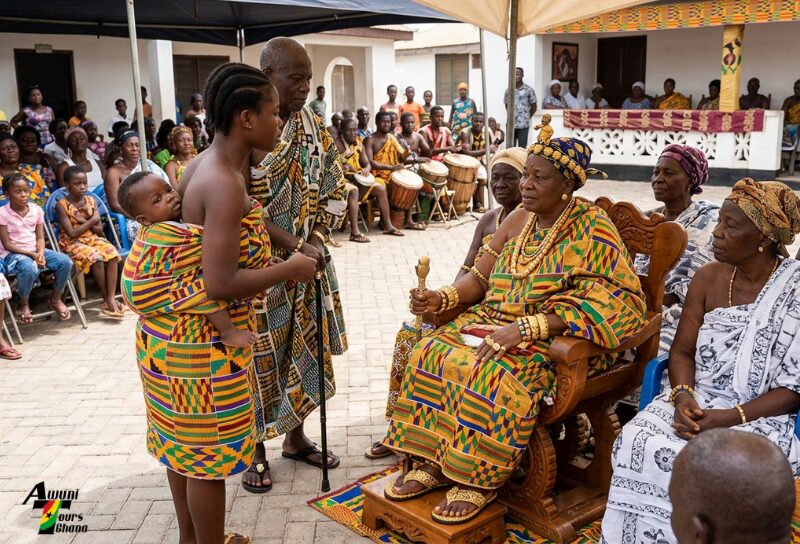
Long before European contact reorganized the political landscape of West Africa, Ghana women held defined, institutionalized power within traditional state structures. In many indigenous societies, particularly among the Akan peoples, political descent and property inheritance were matrilineal. This structural arrangement meant that lineage, land rights, and royal succession were traced directly through the female line, giving women a permanent stake in the governance of their communities.
The most prominent manifestation of this institutional power was the role of the Ohemaa, or Queen Mother. The Queen Mother was not merely the wife of a ruler; she was an independent political authority with the exclusive right to nominate the king or chief. She served as the primary advisor on customary law, managed disputes within the royal lineage, and acted as the spiritual guardian of the community. Because she held a separate court, her power balanced the authority of the chief, ensuring that the perspectives of the community’s women were formally integrated into state policy. This pre-colonial framework established a precedent where female leadership was not seen as an anomaly, but as a requirement for societal balance.
Colonial Subjugation and Historical Resistance
The introduction of European colonial rule significantly altered the social status of Ghana women. Colonial administrative structures, heavily influenced by nineteenth-century European patriarchal norms, systematically ignored traditional female leadership institutions. British officials preferred to negotiate exclusively with male chiefs, effectively stripping Queen Mothers of their formal administrative recognition and restricting women’s access to newly introduced colonial legal systems and formal education.
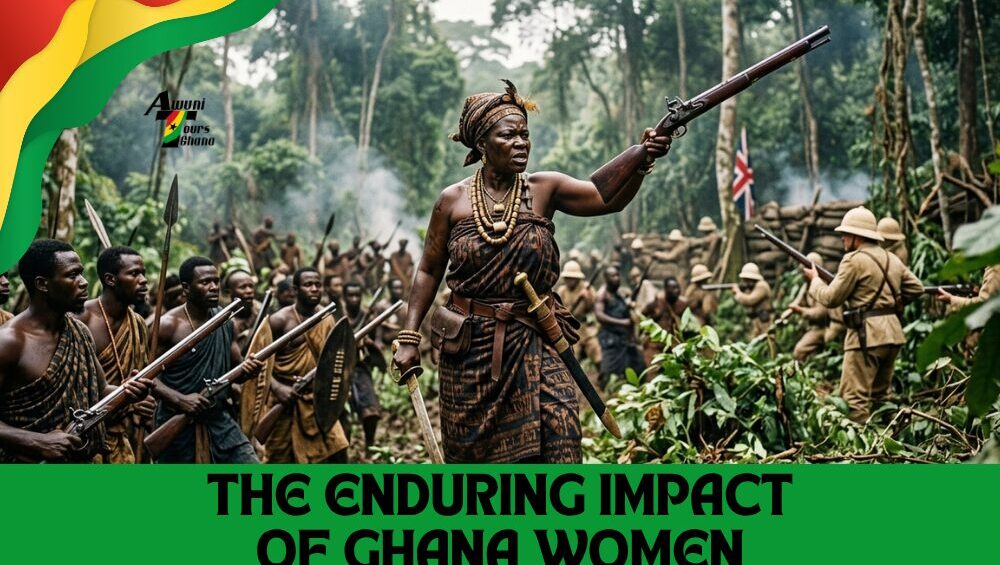
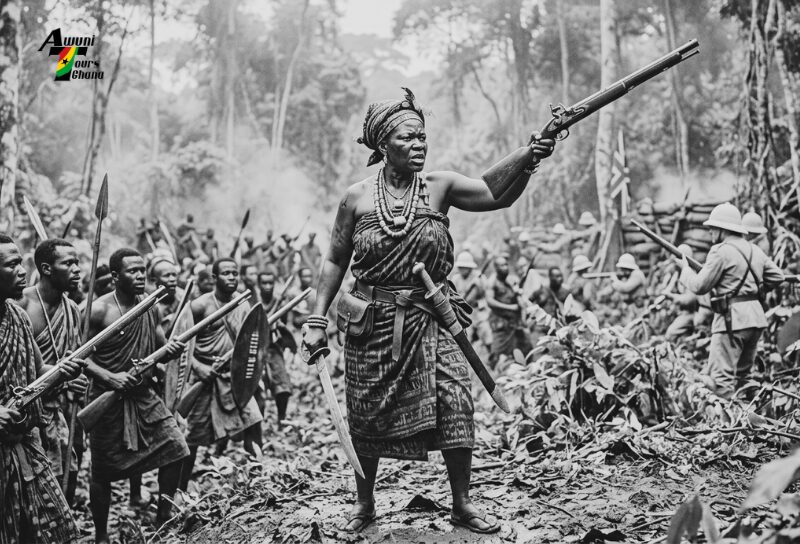
Despite this systematic marginalization, Ghana women mounted significant resistance against foreign encroachment. The most notable historical example occurred in 1900, when Yaa Asantewaa, the Queen Mother of Ejisu, led the Ashanti rebellion against British colonial forces. Following the exile of the Ashanti king and the British demand for the Golden Stool—the sacred symbol of Ashanti sovereignty—Yaa Asantewaa publicly challenged the male leadership who hesitated to fight. She mobilized an army of thousands, commanding military operations during a months-long siege against British fortifications. Her leadership remains a definitive historical marker of the capacity of Ghana women to defend national sovereignty when formal male structures collapsed.
Post-Colonial Transition and the Push for Modern Equality
Following the achievement of national independence in 1957, the political landscape required a deliberate re-integration of female voices into state governance. The administration of Kwame Nkrumah recognized the strategic mobilization capabilities of Ghana women, who had been instrumental in organizing grassroots support for the independence movement through market unions and trade associations.
In 1960, the government introduced the Representation of the People (Women Members) Act, a legislative measure that temporarily set aside specific parliamentary seats for women to ensure their representation in the early post-colonial republic. This legislative push allowed pioneering Ghana women to enter formal politics, judiciary roles, and higher civil service positions that had been entirely restricted under colonial rule. Figures like Suzanne Al-Hassan, who became the first female cabinet minister, established a precedent for women entering modern statecraft, laying the groundwork for successive generations to challenge systemic barriers in corporate, legal, and academic institutions.
The Market Economy and Female Financial Dictatorship
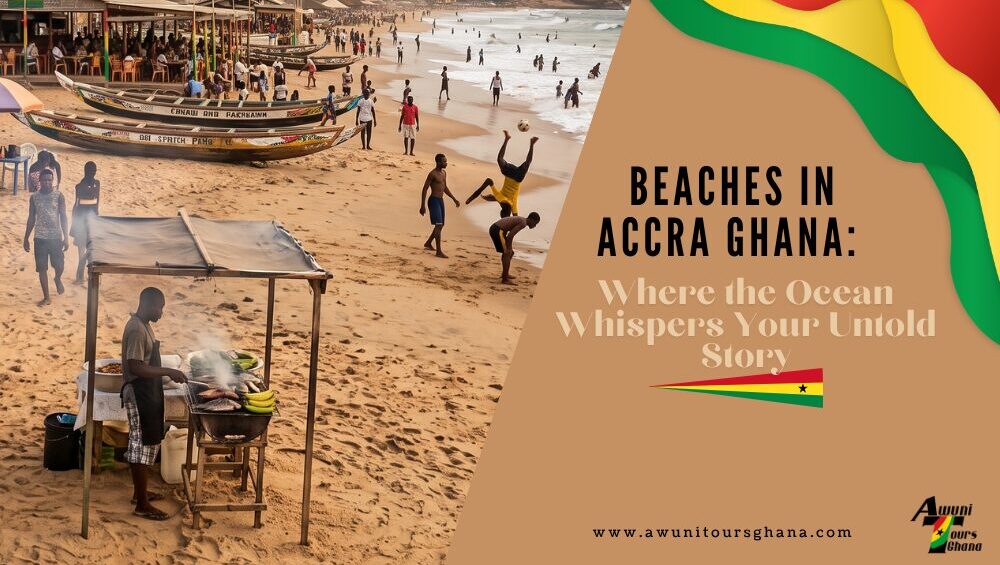
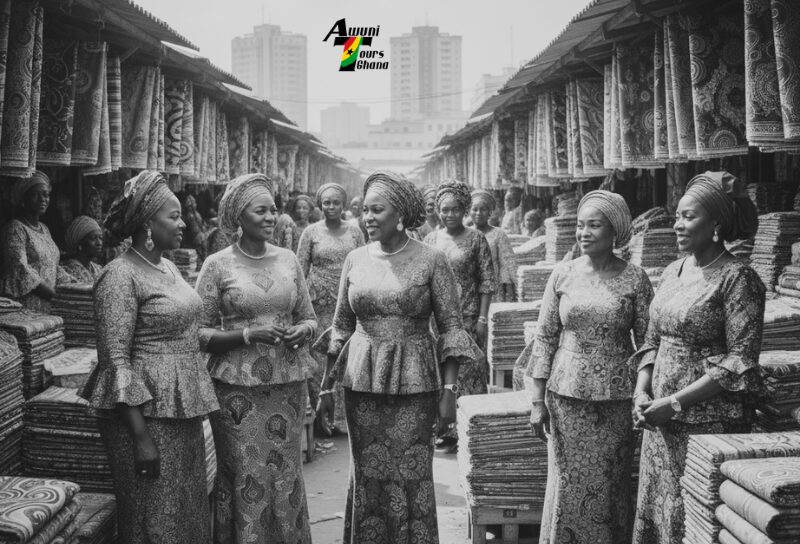
In contemporary West Africa, the domestic retail and wholesale supply chains are managed almost exclusively by Ghana women. The primary engine of this economic power is the informal marketplace system, with major urban centers like Makola Market in Accra and Kejetia Market in Kumasi serving as the distribution hubs for the entire nation.
Within these markets, trade is organized by powerful merchant associations led by selected leaders known as Market Queens. These women hold immense local economic power; they regulate commodity prices, settle commercial disputes, manage the supply chains for specific goods like textiles or agricultural produce, and negotiate directly with transport unions to coordinate logistics. The financial autonomy achieved by these market traders means that in many households, Ghana women serve as the primary financial providers, independently funding family education, healthcare, and property acquisitions. Their mastery of micro-finance and high-stakes negotiation keeps the national domestic economy functional despite periods of high inflation or currency devaluation.
Social Safety Nets and the Susu System
The economic advantages generated by Ghana women are consistently funneled back into community preservation through self-organized financial networks. Because access to formal banking credits remains difficult or prohibitively expensive for many small-scale entrepreneurs, women have popularized and refined traditional informal banking systems known as susu.
A susu group consists of a collective of trusted traders or community members who contribute a fixed, regular sum of money into a central fund. At regular intervals, the total accumulated capital is distributed to one member of the group, allowing that individual to make significant investments in their business, purchase stock in bulk, or cover emergency family expenses without accumulating debt. These networks, entirely managed and sustained by the mutual trust of Ghana women, create a parallel financial system that stabilizes working-class communities, ensuring that economic shocks do not collapse localized retail markets.
Modern Professional and Institutional Leadership
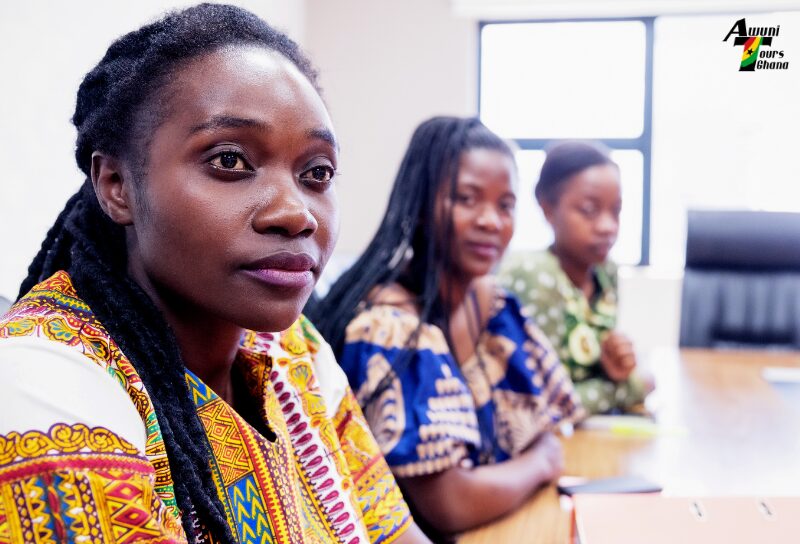
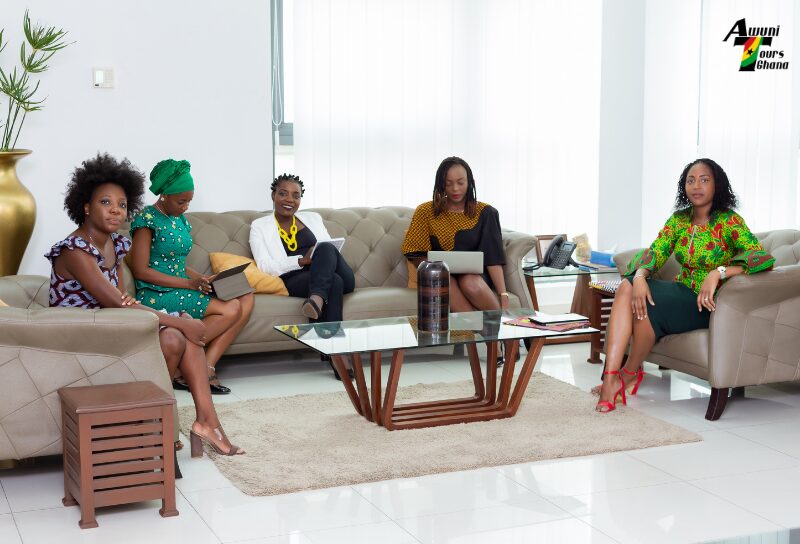
The legacy of resilience has translated directly into the modern formal workforce, where Ghana women increasingly hold top-tier positions within corporate finance, technology, law, and national governance. The country has seen women ascend to the highest offices of state administration, including Chief Justices of the Supreme Court, Directors of the National Electoral Commission, and Ministers of State managing key portfolios like Foreign Affairs and Justice.
This institutional progress is driven by a strong emphasis on female educational attainment and targeted mentorship networks. Organizations led by professional Ghana women focus on eliminating barriers to entry in traditionally male-dominated sectors, such as engineering, software development, and commercial agriculture. By leveraging their positions within both local corporate boards and international non-governmental organizations, these leaders ensure that corporate policies increasingly address wage gaps, maternity protections, and equal advancement opportunities.
Cultural Preservation and Community Governance
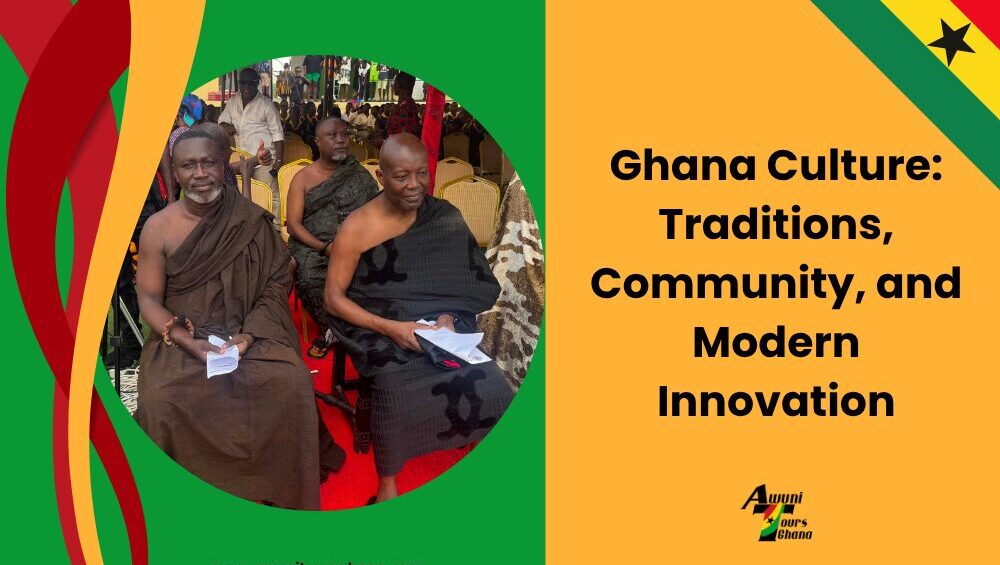
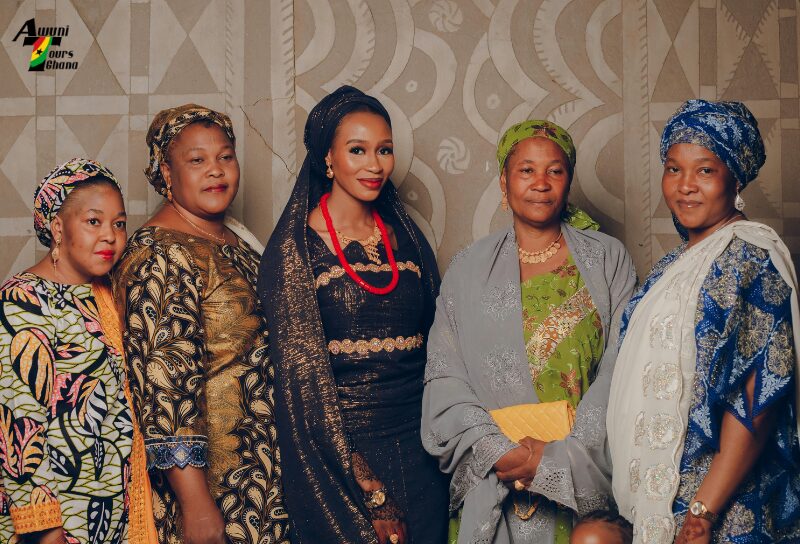
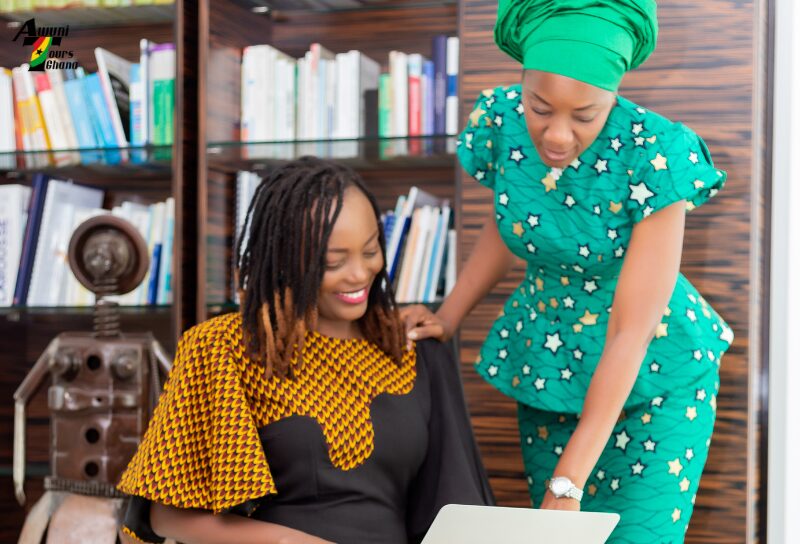
Beyond the formal economy and state politics, the social authority of Ghana women remains firmly anchored in traditional rural communities. In many regions, the customary governance system continues to function alongside the modern constitutional court structure. Queen Mothers and female elders remain essential for managing local land allocation, mediating marital and family disputes, and overseeing cultural rites of passage that reinforce community identity.
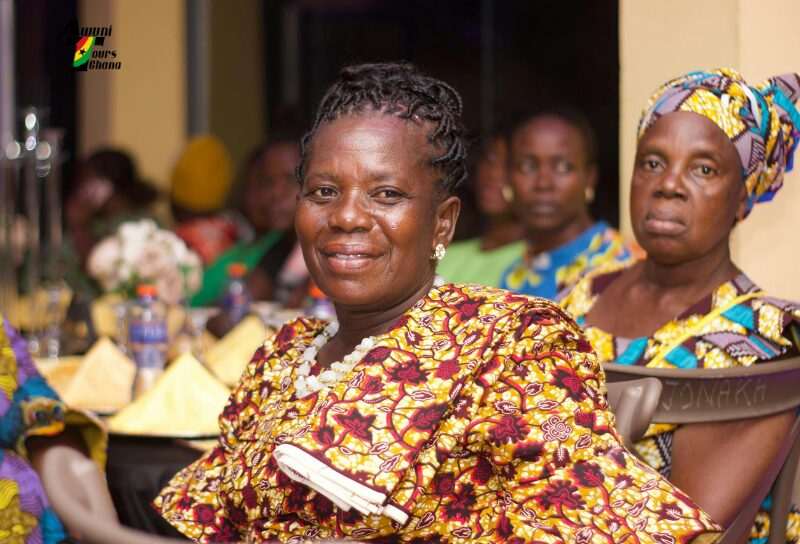
During traditional festivals, the physical presence and symbolic authority of Ghana women are prominently displayed. Their involvement in managing the logistics of communal gatherings, preserving oral histories, and leading traditional ceremonies ensures that ancestral values are accurately transmitted to younger generations. This dual role—acting as modern economic agents while serving as the guardians of historical culture—allows them to maintain a high degree of respect and authority across all levels of society.
Experiencing the Culture as an International Visitor
For travelers planning a trip to West Africa, the primary motivation should extend beyond viewing geographic landmarks or historical architecture. The real value of exploring this region lies in interacting directly with the societal frameworks built by Ghana women. Engaging with the culture means stepping away from insulated tourist pathways and entering the spaces where the daily work of community survival takes place.
When you walk through a bustling local market, consult with artisans in a weaving collective, or observe a traditional festival, you are witnessing an active model of female empowerment that does not rely on Western definitions or structures to validate itself. The strength of these women is not passive; it is highly organized, practical, and visible in every facet of public life. Traveling here offers an opportunity to learn from a culture where female solidarity, financial independence, and community leadership are lived out as daily requirements rather than theoretical goals.
Conclusion: The Continuous Trajectory of Female Strength
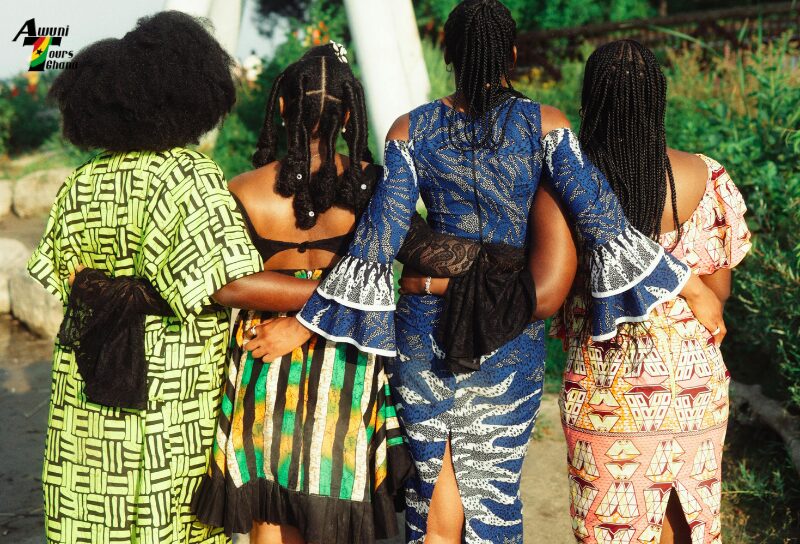
Ghana women continue to define the trajectory of their nation by converting historical trauma and economic challenges into actionable societal progress. Their ability to balance ancestral authority with modern corporate and political leadership makes them the indispensable drivers of the country’s future. For anyone seeking to understand the true mechanics of West African resilience, immersing oneself in the daily environments shaped by these women provides an irreplaceable educational experience, revealing a society where beauty is defined by enduring strength, operational intelligence, and an unshakeable commitment to collective survival.
FAQs
What institutional power did the Ohemaa, or Queen Mother, hold in pre-colonial Ghanaian societies?
The Queen Mother was an independent political authority who held the exclusive right to nominate the king or chief, served as the primary advisor on customary law, managed royal lineage disputes, and acted as the community’s spiritual guardian. Her separate court balanced the chief’s authority to ensure women’s perspectives were integrated into state policy.
How did Yaa Asantewaa respond when British colonial forces demanded the Golden Stool in 1900?
When male leadership hesitated to fight, Yaa Asantewaa publicly challenged them and mobilized an army of thousands. She personally commanded these troops as the war leader during a months-long siege against British fortifications in Kumasi to defend Ashanti sovereignty.
What role do Market Queens play in the contemporary domestic economy of Ghana?
Market Queens are selected leaders who manage powerful merchant associations within major urban marketplaces. They hold significant economic power by regulating commodity prices, settling commercial disputes, managing product supply chains, and negotiating directly with transport unions to coordinate logistics.
How does the informal banking system known as “susu” provide an economic advantage to working-class communities?
A susu group consists of a trusted collective that contributes a fixed, regular sum of money into a central fund. The total accumulated capital is rotated and distributed to one member at regular intervals, allowing women to make major business investments or cover emergency expenses without accumulating expensive formal banking debt.