
What to Put in Your Ghana Must Go Bag
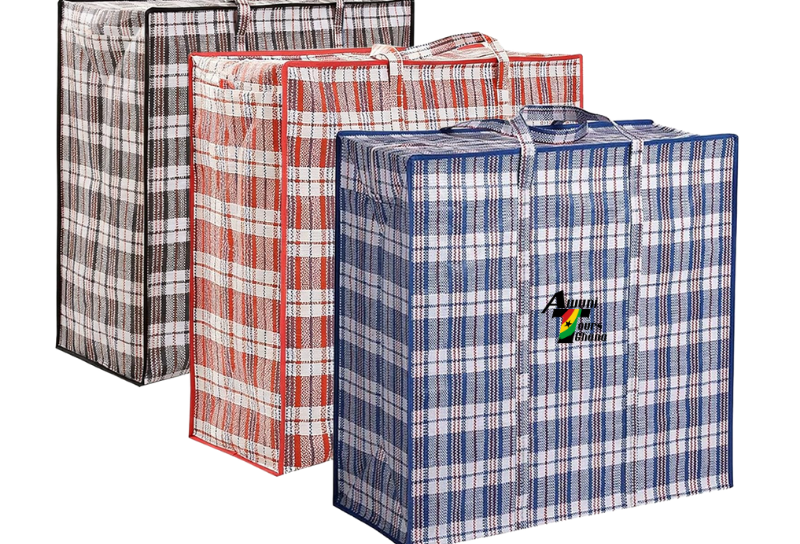
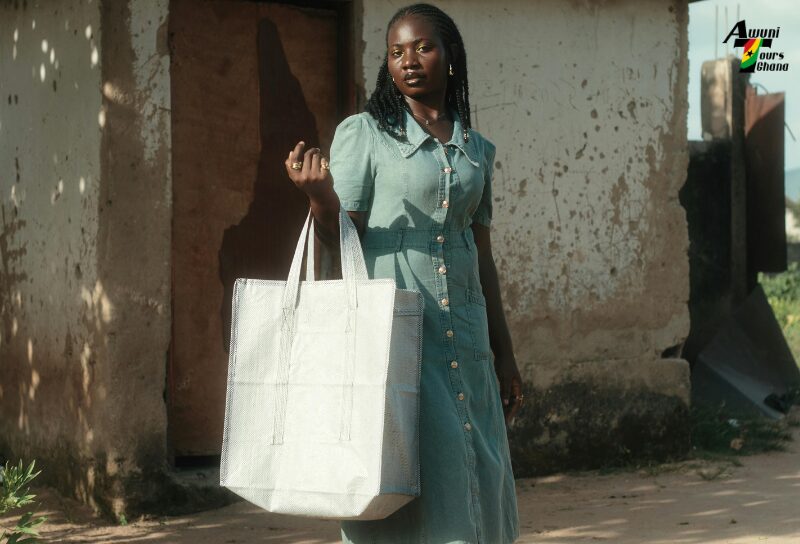
The Ghana Must Go Bag carries a history deeply rooted in West African migration and political tension. The cheap, durable, zippered tote bag, made from woven checkered plastic, earned its enduring moniker during a humanitarian crisis in 1983. Following the end of the 1970s oil boom, Nigeria faced a severe economic downturn and rising social unrest. In response, President Shehu Shagari issued an executive decree ordering all undocumented immigrants to leave the country immediately or face arrest.
This directive triggered the sudden, forced exodus of over one million Ghanaian nationals who had migrated to Nigeria for work. With very little time to pack their lives, the fleeing migrants turned to these mass-produced, resilient plastic sacks to transport their belongings across the borders.
As millions of people filled transit hubs, boat docks, and border crossings with the patterned totes, the phrase used to expel them became permanently synonymous with the bag itself. Decades after the 1983 expulsion, the bag remains a staple at bus parks and markets across West Africa, standing as an ironic cultural symbol of endurance, memory, and everyday utility.
Packing everything you need for a life-changing journey requires a mindset of resourcefulness, much like the history and endurance encapsulated by the classic Ghana Must Go Bag. When preparing to travel to West Africa, you are not just stuffing clothes into a suitcase; you are preparing to step into an environment that is warm, culturally rich, deeply communal, and occasionally unpredictable.
Packing is your first step toward aligning your physical needs with the pace of life on the ground. To truly enjoy your journey, you need to bring items that respect local traditions, withstand the equatorial elements, and leave enough space to bring home a piece of the country with you.
The Foundation of Travel: Crucial Documentation and Health Safeguards
Before you even begin folding garments or selecting footwear, your absolute priority must be the non-negotiable paperwork and health requirements. Without these, your trip will end before it even starts at the immigration desk.
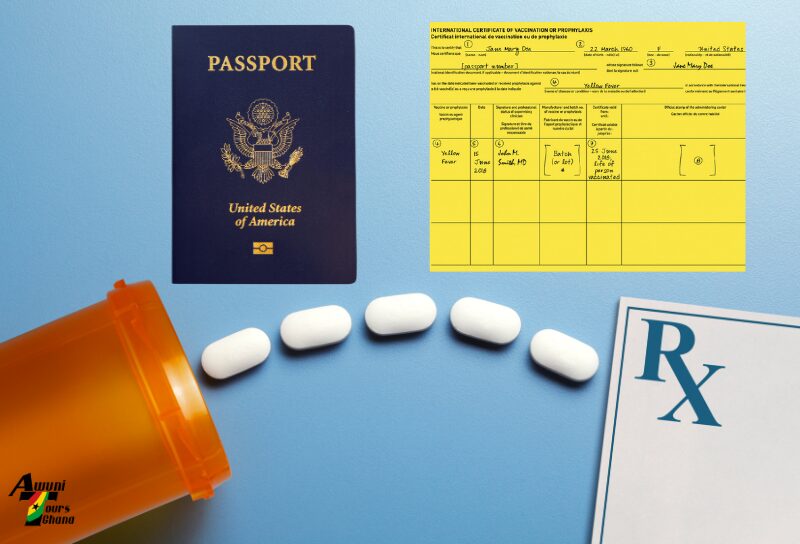
First and foremost is your physical yellow fever vaccination card. This is not an optional health recommendation; it is a strict entry requirement for anyone over nine months of age. Immigration officers at the airport check this document carefully, and a digital photo on your smartphone will not suffice. Keep the physical yellow card tucked securely alongside your passport in your carry-on luggage.
Speaking of your passport, double-check that its expiration date is at least six months past your scheduled departure date. Ghana recently modernized its immigration landscape with an electronic visa and digital travel authorization framework, meaning you should secure your travel authorization completely online well ahead of your flight.
Print out multiple hard copies of your visa confirmation, your flight itinerary, and your hotel or host accommodations. While digital backups are excellent, physical paper remains king when navigating international transit hubs or dealing with unexpected network outages.
Health preparation also requires a thoughtful discussion with a travel medicine physician regarding antimalarial medications. Malaria is endemic across the country, and taking a preventative daily or weekly course like Malarone or doxycycline is an essential shield. Alongside your prescriptions, pack a robust personal first-aid kit. Include high-quality insect repellent containing DEET or picaridin to keep mosquitoes at bay during dawn and dusk.
Add a reliable supply of sunscreen with an SPF of 30 or higher, as the equatorial sun is exceptionally intense. It is also wise to include rehydration salts, anti-diarrheal medication, and motion sickness pills, as different spices and long road trips on winding roads can occasionally challenge your digestive system.
Clothing for the Heat and Dust
The climate in this part of the world demands breathable, lightweight fabrics made from natural fibers. Cotton, linen, and lightweight bamboo are perfect to pack in your Ghana Must Go Bag. The weather is consistently tropical, but the air can carry a significant amount of dust, especially during the dry season when the Harmattan winds blow down from the Sahara.
When choosing your color palette, it is best to leave purely white clothing at home. The beautiful red dust of the earth has a way of finding its way onto fabric, and keeping bright white garments pristine is an impossible battle. Instead, opt for earth tones, neutrals, or vibrant patterns that mimic the local style.
Your daily wardrobe should consist of loose-fitting t-shirts, light blouses, and breathable trousers. While shorts are perfectly fine for casual beach days or relaxed tourist resorts, local norms generally lean conservative.
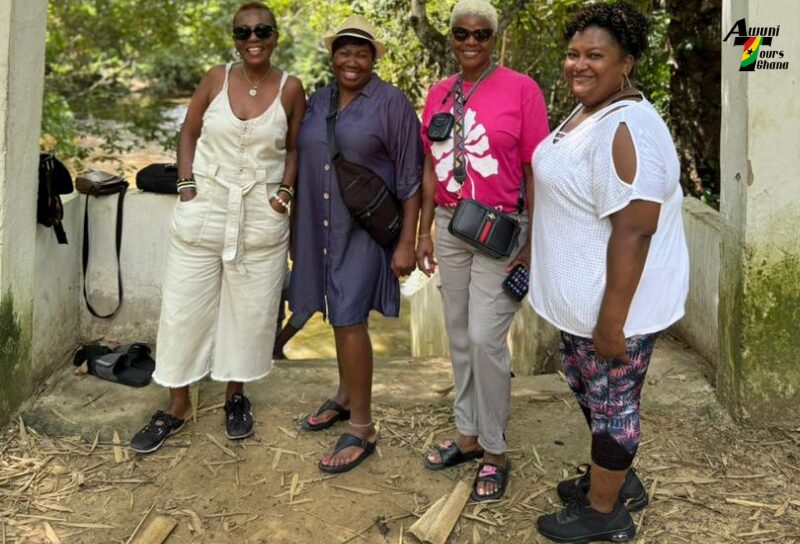
When visiting formal institutions, traditional ceremonies, churches, or rural villages, it is a matter of respect to cover your shoulders and knees. Bringing a few lightweight scarves or shawls is an excellent strategy; they take up minimal space, can be thrown over your shoulders instantly, and serve as an effective dust shield during open-air transit.
For men, a few smart-casual button-down shirts and pairs of long trousers are necessary for evening dining or meetings. Women will find that loose, flowy maxi dresses are incredibly practical, keeping you cool while automatically meeting local standards of modesty.
Do not forget to pack an undershirt or lightweight singlet. While it sounds counterintuitive to add a layer in the heat, an undershirt absorbs moisture and prevents sweat from immediately showing through your main clothing, keeping you looking and feeling fresh throughout the day.
If you happen to find yourself running out of room while organizing these clothing options, you might look at your overstuffed suitcase and wish you had the magical expanding qualities of a Ghana Must Go Bag to make everything fit neatly.
Footwear Built for Real Terrain
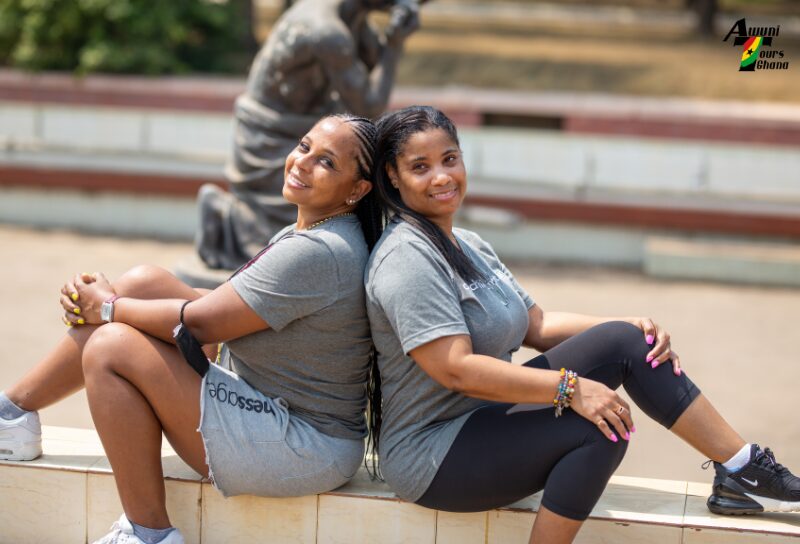
The streets and paths you will navigate require footwear that favors utility over pure fashion. You will likely find yourself walking across a mix of paved city sidewalks, uneven dirt paths, cobbled historic courtyards, and sandy coastlines.
A high-quality pair of broken-in, supportive walking shoes or low-profile hiking sandals with secure straps should be your primary choice. Never bring brand-new shoes that you have not worn extensively at home, as blisters can quickly ruin a full day of exploration. Closed-toe shoes are highly recommended for navigating crowded city markets like Makola, where the density of foot traffic and cargo means your feet need protection.
Additionally, pack a reliable pair of waterproof slide sandals or flip-flops in your Ghana Must Go Bag. These are perfect for beach excursions along the coast, navigating communal shower facilities, or just slipping on when relaxing around your guesthouse or hotel courtyard. If your itinerary includes a trip to the northern regions for a walking safari, ensure your footwear is rugged enough to protect against thorns and uneven brush.
Navigating the Digital Landscape: Electronics and Power Solutions
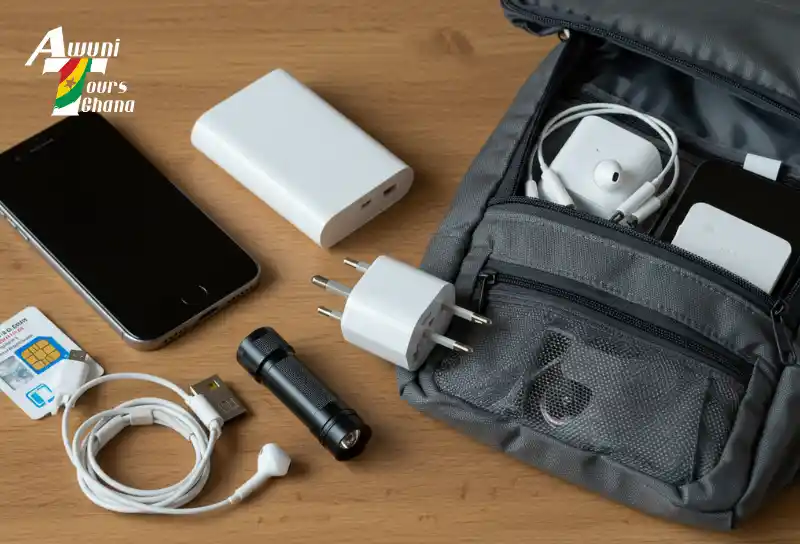
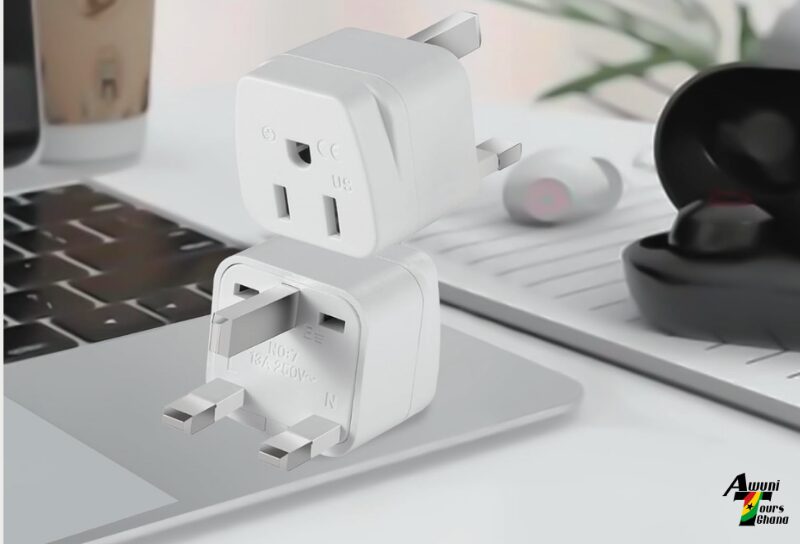
Staying connected and powered up is essential for modern travel, but it requires specific gear to work smoothly in West Africa. The electrical grid operates on a 230-volt system at 50Hz, utilizing the British-style Type G three-pin square plugs.
If you are traveling from North America, your standard dual-voltage electronics like smartphones, laptops, and camera chargers will only need a simple plug adapter. However, high-draw appliances like hair dryers or electric shavers will require a heavy-duty voltage converter to avoid destroying the heating elements.
Power interruptions can occur, particularly during peak usage periods or severe weather. Because of this, a high-capacity portable power bank is one of the most critical items you can pack in your Ghana Must Go Bag. Keep it fully charged in your daypack so your phone never dies while you are out taking photos, using navigation apps, or coordinating transportation through local ride-sharing platforms.
An unlocked smartphone is another indispensable asset. Upon arrival, you can easily purchase a local SIM card from a major network provider like MTN, giving you affordable access to high-speed data and local calls. This is far more cost-effective than relying on international roaming packages. Finally, a small, durable flashlight or a hands-on headlamp is incredibly useful for navigating poorly lit paths at night or keeping your space illuminated during an evening power cut.
The Art of packing Souvenirs and Embracing Local Crafts
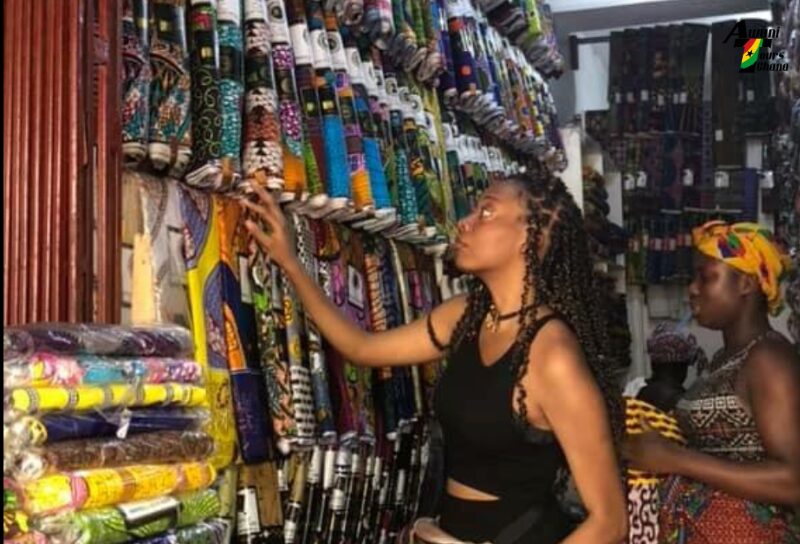
One of the greatest joys of traveling through this region is interacting with the local artisans and bringing home a piece of their incredible craftsmanship. From hand-woven Kente cloth and hand-stamped Adinkra fabrics to heavy wooden carvings, intricate beadwork, and local spices, you will undoubtedly find your luggage filling up quickly as the trip progresses.
This brings us back to the practical genius of the Ghana Must Go Bag itself. Experienced travelers to West Africa often pack a folded, empty bag inside their primary suitcase when departing on their journey.
If your suitcase fills to capacity with local fabrics, wooden sculptures, and gifts, you can purchase a local Ghana Must Go Bag at almost any roadside market for a minimal cost. These woven plastic bags are celebrated for their incredible tensile strength, making them the ultimate secondary luggage option for carrying durable souvenirs or dirty laundry on your return flight.
When using a Ghana Must Go Bag for international air travel, a great insider tip is to secure it with a small luggage lock across the zippers, or wrap it in protective plastic at the airport terminal to ensure it withstands the rough handling of international cargo systems. The sheer volume that a single Ghana Must Go Bag can hold ensures you never have to leave a beautiful piece of art behind simply because you ran out of room in your standard hard-shell suitcase.
Using a durable Ghana Must Go Bag to transport your market finds also keeps your delicate items separate from your main wardrobe. If you are packing beautifully tailored clothing made from local wax prints, keeping them flat inside a secondary cargo tote prevents them from getting wrinkled or stained by your worn travel shoes.
Managing Finances on the Move
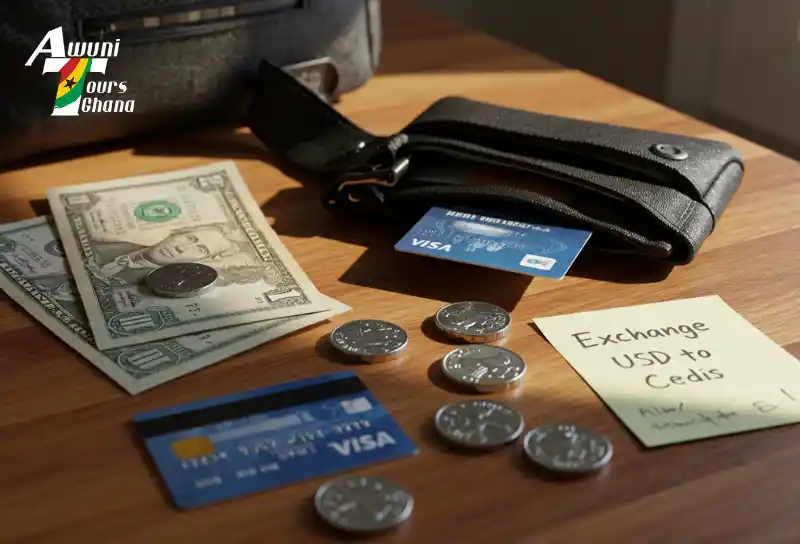
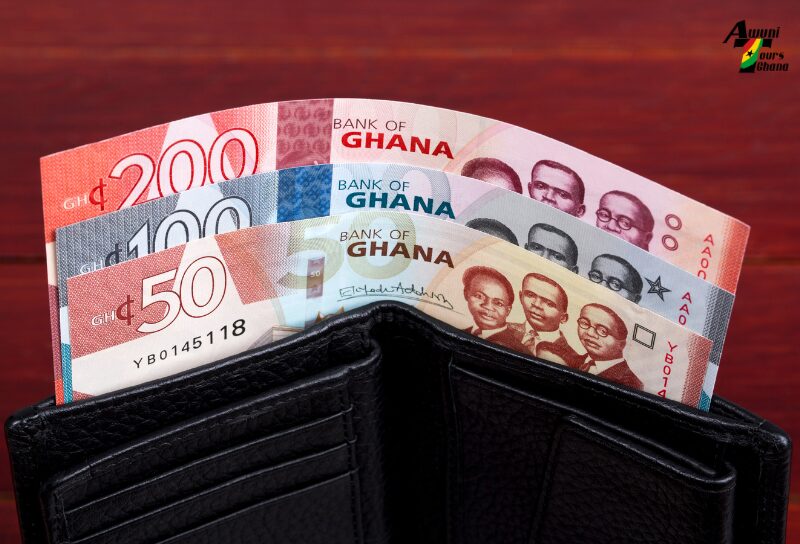
The local currency is the Ghanaian Cedi, and navigating transactions requires a hybrid approach to money. While credit and debit cards from major networks like Visa and Mastercard are increasingly accepted at large hotels, upscale restaurants, and major supermarkets in Accra, cash remains absolute king across the rest of the country. Small roadside stalls, market vendors, public transit tro-tros, and rural historical sites deal exclusively in physical cash.
When packing your wallet, bring a clean, crisp supply of United States Dollars. Ensure the bills are completely unmarred, free of tears, and minted within the last few years, as local currency exchanges and banks can be incredibly particular about the condition of foreign banknotes. Small bills are highly useful for initial tips and airport expenses, but larger denominations often command a slightly better exchange rate at official forex bureaus.
Notify your home bank of your international travel dates before you board your flight. This prevents your debit or credit cards from being automatically flagged and frozen for suspicious overseas activity when you attempt to withdraw Cedis from a local ATM. Keep a secondary backup card stored securely in a separate compartment of your luggage just in case your primary card is misplaced or retained by an automated machine.
Thoughtful Discretion and Daily Essentials
When packing your daily carry bag, choose a lightweight, secure crossbody pack or a compact backpack that sits tightly against your body. In crowded public markets or busy transport hubs, pickpocketing can occur just as it does in any major city worldwide. Keeping your valuables in zippered pockets close to your chest is a simple, effective habit.
Inside your daily bag, always carry a small packet of pocket tissues or a compact roll of toilet paper, as public restrooms outside of major hotels do not always guarantee a steady supply. A small bottle of alcohol-based hand sanitizer is equally essential for a quick clean before enjoying a communal meal or after handling physical currency.
Do not pack items that carry immense sentimental value or excessive luxury jewelry that draws unnecessary attention. The lifestyle here values utility, modesty, and genuine human engagement over flashy displays of material wealth. By keeping your attire and accessories simple, you blend in more naturally and open yourself up to more authentic interactions with the people you meet.
The Final Audit
Before you close your zippers for the last time, lay all your items out on your bed for a final visual inspection. Group your documentation, prioritize your health essentials, and ensure your clothing choices strike the right balance between tropical comfort and cultural respect.
If you find that your items are spilling over the edges of your primary container, remember that flexibility is the ultimate travel skill. You can always redistribute the weight, leave behind a few heavy items that you can easily buy locally, or rely on a trusted auxiliary carrier. Embracing the spatial efficiency of the Ghana Must Go Bag approach means knowing exactly what matters, eliminating the superficial fluff, and leaving physical and emotional space for the unexpected beauty of the journey ahead.
By packing with intention, respect, and a willingness to adapt, you transform the logistical headache of preparation into an inspiring prelude to your adventure. You are entering a society that moves to the beat of community, hospitality, and profound history.
When your physical needs are fully met by a smart, well-balanced packing strategy, your mind is free to focus entirely on the warmth of the greetings, the richness of the traditions, and the unforgettable spirit of the land. Whether your items travel in a sleek modern suitcase or a classic Ghana Must Go Bag, the true treasure you bring home will be the relationships you form and the perspective you gain along the way.
FAQs
What specific health card is a strict entry requirement for international travelers entering Ghana, and how should it be stored?
The physical yellow fever vaccination card is a mandatory entry requirement for anyone over nine months of age. It must be kept as a physical copy, not a digital photo, and should be stored securely alongside your passport in your carry-on luggage.
Why does the article advise against packing purely white clothing for daily use?
Purely white clothing should be left at home because the beautiful red dust of the earth easily finds its way onto fabrics. Keeping bright white garments pristine is an impossible battle against the tropical elements and the Saharan Harmattan winds.
How can a traveler utilize a classic Ghana Must Go Bag to solve luggage space issues when returning home with souvenirs?
Experienced travelers can pack an empty, folded Ghana Must Go Bag inside their primary suitcase. If their main luggage fills to capacity with artisan crafts and local fabrics, they can use this affordable, exceptionally strong woven bag as a secondary cargo tote for international air transit.
What are the primary rules for managing finances and paying for goods while traveling outside major hotels or upscale establishments in Accra?
While cards are accepted in major city establishments, cash remains king across the rest of the country for roadside stalls, markets, and local transit. Travelers should bring clean, unmarred US dollars printed within the last few years to exchange for Ghanaian Cedis, notify their bank before departure, and carry a backup card in a separate luggage compartment.