

There is a specific frequency to the Republic of Ghana that no guidebook can prepare you for. People are everywhere, moving with a definitive purpose. The colors aren’t just bright; they are aggressive. The yellow and blue paint of the kiosks, the deep red of the clay dust kicked up by old tires, and the cloth headbands worn by local women carrying massive trays of fruit. It forces you out of your head immediately. You can’t be a passive observer here; the country demands that you pay attention to the dirt, the noise, and the undeniable grit of everyday life.
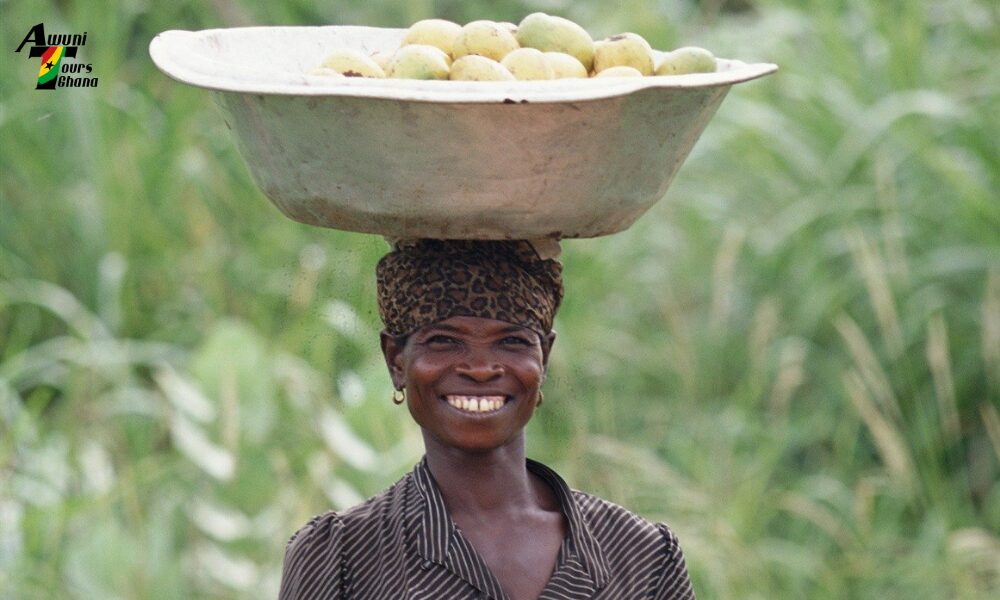
(June 15th) Republic of Ghana: The Weight of the Dirt
I spent today away from the main roads, walking through a small village where the pavement ends and the raw earth begins. The soil in the Republic of Ghana has a distinct, deep orange-red hue that clings to everything—your socks, your skin, the bottom of your bags. It feels old. When you sit under a massive neem tree and listen to an elder explain the lineage of the local stool lands, you realize that history here isn’t stored in a museum. It is carried in the memory of the people who walk these paths every day.
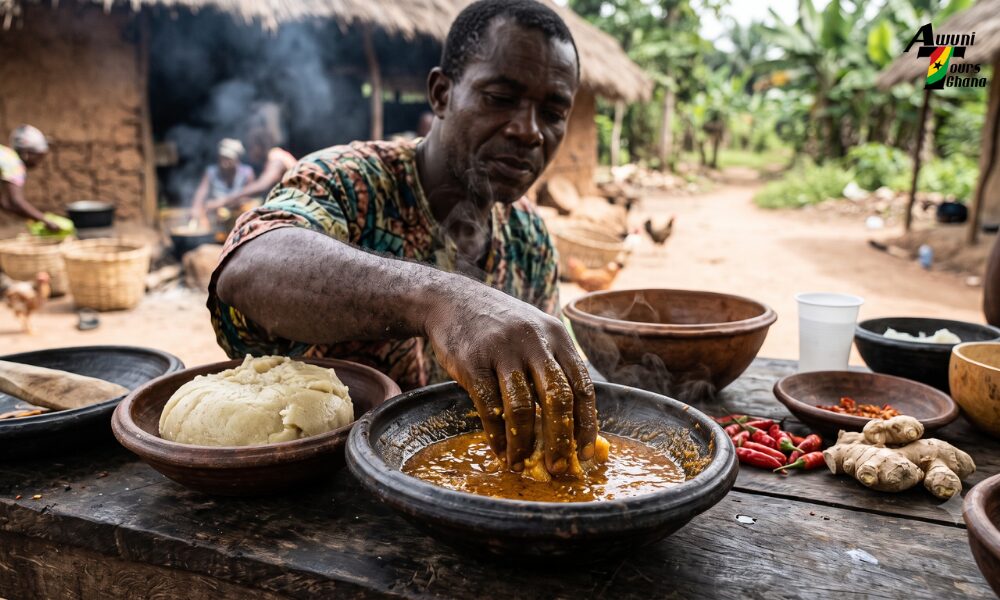
We ate together from a communal bowl. No silverware, just your right hand, pulling apart thick, sticky fufu dipped into a steaming palm nut soup that burns the back of your throat with raw ginger and local chili. Your fingers stay stained yellow from the oil, and your mouth tingles for hours afterward. It is a slow, heavy meal that makes you sit still and talk. The hospitality isn’t performed; it is an unspoken obligation. You are here, so you are fed, and you are expected to look people in the eye when they speak to you.
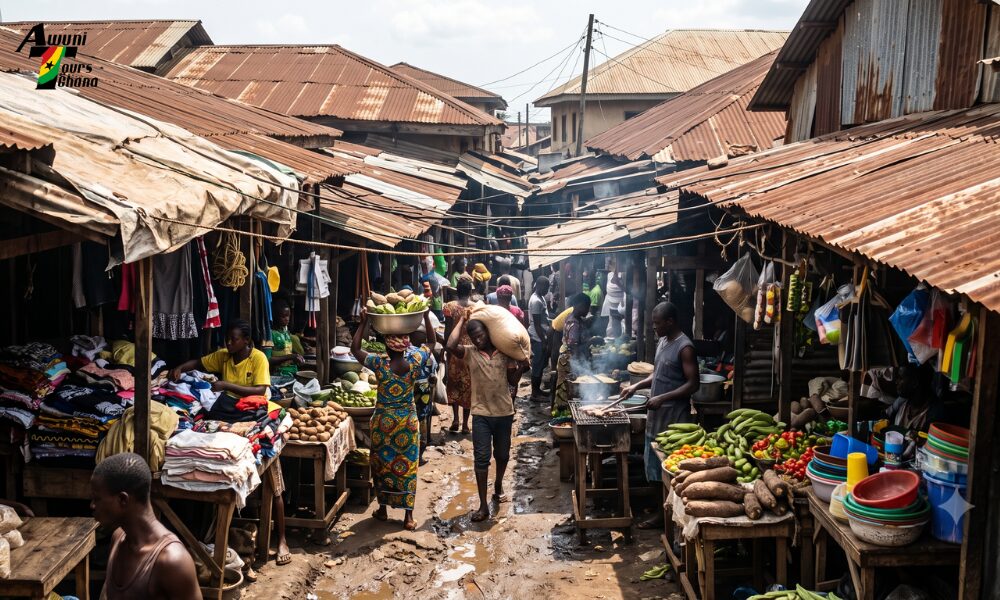
(June 19th) The Rhythms of the Inland Marketplace
The Republic of Ghana has a market in the center of the town where there is a maze of corrugated zinc roofs and narrow mud alleys. It smells of dried fish, sharp ginger, fermented cassava, and damp fabric. If you stop moving for a second, the crowd swallows you. Traders scream out prices in Twi and Ga, their voices competing with the metallic clink of a blacksmith hammering out old car parts into farming tools nearby.
I watched a woman weave a strip of Kente cloth on a narrow wooden loom stretched out across the dirt. The sound is a constant, rhythmic clack-clack, slish-slish as her feet pump the pedals. She didn’t look up when I approached. Her hands moved strictly by muscle memory, pulling thick threads of indigo and gold into patterns that represent specific family histories. It is exhausting just to watch, a reminder that the culture here is built on hard, physical labor and centuries of repetition. It makes your own daily routine back home feel incredibly distant and small.
(June 22nd) The Silence of the Stone
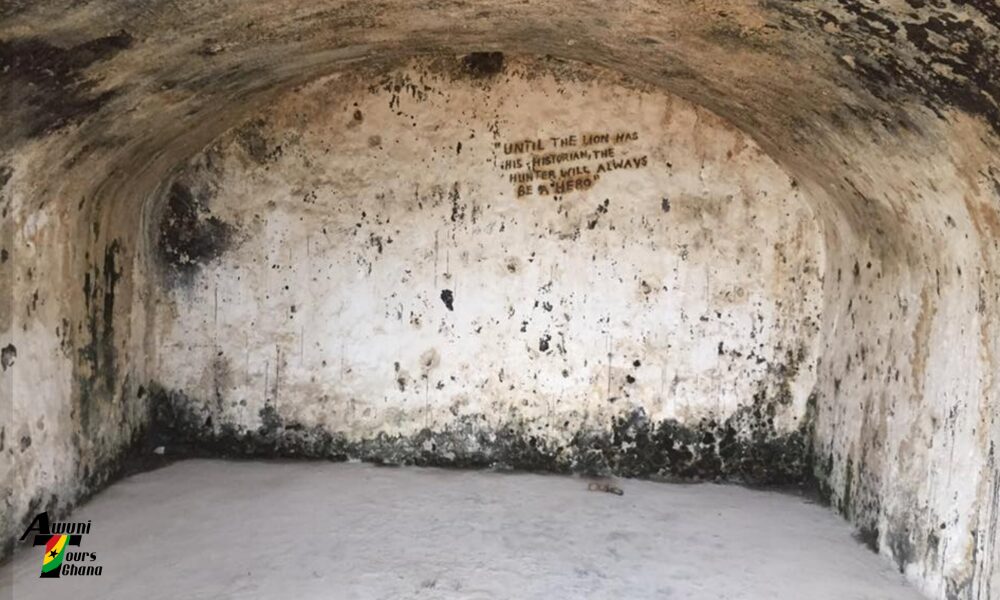
You can’t understand the Republic of Ghana without sitting in the absolute silence of its oldest structures. Today was spent inside the thick, whitewashed stone walls of the historic forts. The air inside is cold, damp, and smells faintly of old lime and stagnant water. It feels completely separated from the chaotic energy of the markets outside.
Standing in a dark room with only a tiny slit of light cutting through the stone, the silence is deafening. You can hear the heavy thud of the ocean hitting the rocks below, a constant, indifferent background noise that has been going on for hundreds of years. It is a heavy, uncomfortable place to be alone with your thoughts. There are no plaques or fancy displays to distract you—just the raw, cold reality of what happened on this floor. It strips away any romantic ideas you had about travel and leaves you with a profound, sobering respect for the sheer endurance of the human spirit.
(June 26th) The Final Shift
My boots are ruined, covered in a layer of red dust that will probably never fully come out of the leather. My skin feels dry from the sun, and my ears are still ringing from the constant noise of the streets. But something shifted in me over the last two weeks. The Republic of Ghana doesn’t change you by giving you a relaxing break; it changes you by breaking down your comfort zones and forcing you to see life through a completely different lens.
If you are waiting for a perfect, convenient moment to cross the ocean, you are missing the point. The beauty here isn’t in the convenience—it is in the raw, unfiltered truth of the land. Stop watching other people live out these stories on your phone. Put your feet on this red dirt, taste the spice, feel the weight of the stone, and let this country shake you awake. The next tour is leaving, and your spot is open. Stop hesitating and book your journey today.
FAQs
What should a traveler expect immediately upon arriving in the Republic of Ghana?
Arrival is an immediate, unfiltered experience that completely shocks the senses. Instead of a quiet or manicured tourist destination, you are dropped straight into a loud, intense, and hardworking reality. The streets are a moving machine filled with the heavy sounds of traffic and music, busy roadside kiosks, and street vendors carrying massive trays of goods through the crowd. It forces you to adapt to its fast speed right away.
How is the traditional food and dining experience described in the diary?
Dining is a communal and deeply personal experience, far removed from a standard restaurant setting. In local villages, meals like fufu and steaming palm nut soup are eaten directly from a shared bowl using your right hand. The food is heavily spiced with raw ginger and local chilies that burn the back of your throat, and the hospitality is treated as an unspoken, genuine obligation to take care of anyone sitting at the table.
What does the article reveal about how history and culture are preserved in the country?
In the Republic of Ghana, history is a living presence rather than something confined to a textbook or a museum. It is physically carried in the memories of the village elders who can recite centuries of ancestral lineages, and it is preserved in everyday objects like decades-old, hand-carved wooden stools. Similarly, cultural traditions like weaving Kente cloth on outdoor looms are passed down through generations, requiring intense physical labor, muscle memory, and absolute focus.
Why does the diary suggest that visiting the historic stone forts is a necessary part of the journey?
Visiting the historic stone forts strips away any romanticized or superficial ideas about travel. The dead silence inside the damp, windowless stone walls offers a harsh and jarring contrast to the chaotic energy of the outdoor markets. Standing in the dark and listening to the ocean waves creates an uncomfortable, sobering space for reflection, leaving visitors with a profound, necessary respect for the sheer endurance of the human spirit.