Best Time to Visit Ghana

When Is the Best Time to Visit Ghana? Climate, Temperature, and Seasonal Guide

Ghana is a place that stays warm all year and welcomes visitors with open arms. From golden beaches and buzzing markets in Accra to national parks full of wildlife, there’s always something to see. But the weather changes from month to month, and knowing the right time to visit can make your trip smoother and more fun.

In this guide, you’ll find out the best time to visit Ghana, what the weather is like each month, and when festivals and wildlife are at their best. Whether you’re looking for dry days, cooler nights, or local celebrations, this seasonal guide covers it all.
Best time to visit Ghana

A Month-by-Month Guide on When to Go to Ghana

Ghana is a warm, vibrant country with different travel experiences throughout the year. Whether you’re visiting for sunny beach days, colourful festivals, or quiet nature escapes, each month offers something unique. This seasonal guide breaks down the climate, temperature, and key events on a month-by-month basis.

December to March – Best for Festivals, Wildlife, and Sunshine

This is the best time to visit Ghana Africa if you want dry days, great roads, and exciting events. These months are part of the dry season, with little to no rain. Travel is easier, and the weather feels cooler (though still warm) due to the Harmattan winds, which bring dry, dusty air blowing in from the Sahara.

December to March- best time to visit ghana

December is a favourite in Accra, with festivals like Afrochella bringing music, food, art, and dancing. Locals say this is the best time to visit Ghana, especially to explore the coast, enjoy the nightlife, or relax on the beach.

If you’re coming during this peak season, don’t miss our Ghana Packing Checklist, so you’re fully prepared for warm days and cultural events.

If you love animals, plan a trip between December and March. This is the best time of year to visit Ghana for wildlife viewing. In places like Mole National Park, elephants and other animals gather around watering holes, making them easier to spot.

April – Light Rain Begins

April marks the beginning of the rainy season, mostly in southern Ghana. It’s still warm, but rain can fall in the afternoon. If you’re okay with a bit of rain, April is a peaceful time to travel with fewer crowds. It’s a calm start to the rainy season, and everything begins turning green again.

April- best time of year to go to ghana

If you’re traveling to Ghana for the first time, this month gives you a nice mix of sunshine and greenery.

May – Heavy Showers Begin

May sees more consistent rainfall, particularly in the south. Expect heavy showers that might last for a few hours. Roads in the countryside can get muddy or flooded, but many areas are still reachable.

Tourism slows down during this time, so if you’re looking for quieter experiences and lower prices, this could work in your favour. Just come prepared with waterproof shoes and light rain gear.

travelling to ghana in May

It’s a good time to visit the best places in Ghana, especially indoor or cultural sites like museums, palaces, and historic forts.

June – Lush, Green, and Rainy

June is a full-on rainy month in the south. It rains often, but the country looks beautiful. If you don’t mind a few wet days, you’ll enjoy how fresh and green Ghana becomes.

visiting ghana in June

The Ghana temp stays warm, around 26°C (78.8°F) to 30°C (86°F). It’s a lovely time for people who enjoy nature and don’t need perfect weather every day.

July – Short Dry Break in the South

July gives a short dry break in southern Ghana. There’s still some rain, but it’s less intense. Travel gets easier, and it’s a nice month to explore the coast or go shopping in Accra’s busy markets.

July – Short Dry Break in the South

Photography is better this month too, fewer cloudy days and lots of life around.

August – Still Dry in the South, Rainy in the North

August is a mix. The south stays a little dry, while the north like Tamale sees more rain. If you remain in the southern cities, it’s a good time for beach trips and day tours. The humidity is lower than in the rainy months.

This is a nice time for travellers who want to explore and still enjoy dry weather.

travelling in August for Ghana Africa

August is a great time for cost-conscious travellers—fewer crowds often mean better deals on flights and accommodation. If you’re curious about trip expenses, check out our guide on Ghana travel costs to plan smart and stretch your budget.

September – Rains Return

In September, the rain comes back, especially in southern Ghana. It’s still hot and humid, and you’ll see more thunderstorms. Roads may be slower, but the views are amazing. Trees and plants are at their greenest.

September month visit to ghana

If you want peace, this is a great month to visit with lower prices and fewer crowds.

October – End of the Rain

October marks the end of the rainy season in the south. Showers happen, but they don’t last long. Travel is easier, and the average temperature in Ghana stays between 25°C and to 31°C.

October - time to visit ghana africa

You’ll still enjoy greenery, but without too much rain. It’s a good time to take day trips and explore smaller towns.

November – Dry Season Starts Again

November is the start of the dry season. The Harmattan returns, so the air becomes drier, and the skies can appear dusty. But it’s easier to travel again, especially if you’re heading to Mole National Park or planning safaris in the north.

November-  seasonal guide to go to ghana

November is perfect if you want sunshine without the holiday rush. It’s a quiet, warm month, ideal for early travellers.

Best Time to Visit Ghana Based on Your Travel Plans

  • For festivals, sunshine, and easy travel: December to March is the best choice.
  • For green landscapes and fewer crowds: Consider April to July.
  • For quiet travel before the high season: October and November offer great balance.
  • For wildlife spotting and nature: Plan your trip between December and March.

No matter when you go, the Ghana climate is warm and welcoming year-round. Just check the forecast, pack for the season, and enjoy everything this beautiful country has to offer.

Ghana isn’t just a place, it’s a feeling. Whether you’re chasing music in the streets of Accra, spotting elephants in the wild, or enjoying calm coastal evenings, the timing of your trip can shape your entire experience.

If you’re someone who loves sunshine, local culture, and smooth travel days, Visit Ghana is when the skies are dry and the festivals are in full swing. But if you’re curious about green landscapes and a quieter atmosphere, the rainy season has its charm too.

FAQs

What is the hottest month in Ghana?

March is the hottest month in Ghana. Temperatures nudge 30°C (86°F) on the south coast but can top 40°C (104°F) further north.

What is the climate like in Ghana?

The Ghana climate is tropical, which means it’s warm all year round. The country has two main seasons: a dry season (from November to March) and a rainy season (from April to October). The Harmattan winds in the dry season bring cooler, dusty air, especially in the north.

Is Accra weather different from other parts of Ghana?

Yes. Accra weather is slightly more humid and coastal. The north (like Tamale) is usually drier and hotter. Rain starts earlier in the south and ends later than in the north.

Can I visit Ghana during the rainy season?

Yes, but be prepared for short heavy rains, especially from May to June. The scenery is beautiful and green, and there are fewer tourists, making it a peaceful time to explore.

What’s the best time to go to Ghana for wildlife?

If you want to see animals like elephants, antelope, and monkeys, the best time to go to Ghana for wildlife is during the dry season from December to March. It’s easier to spot animals around watering holes.


Articles You May Like:

Ghana Culture and Traditions

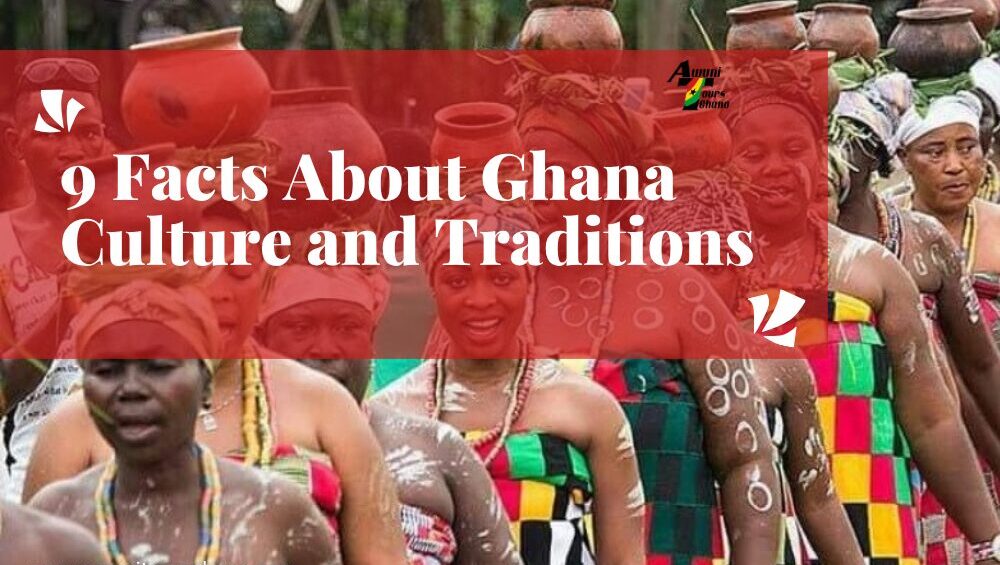
9 Facts About Ghana Culture and Traditions

Ghana culture is a brilliant masterclass in how human beings are meant to connect, rooted in a deep sense of shared identity and traditions where no person is ever left to walk or live in isolation. It is an everyday philosophy that values presence over pacing and people over schedules. When you step into this way of living, you quickly realize it isn’t about visiting a destination; it is about learning a whole new way of being human.

Ghanaian traditions are not just about the past; they are part of everyday life across towns, cities, and villages. From the way people dress, greet each other, and celebrate, to how they cook and care for their families, Ghana culture is full of meaning, respect, and community values.
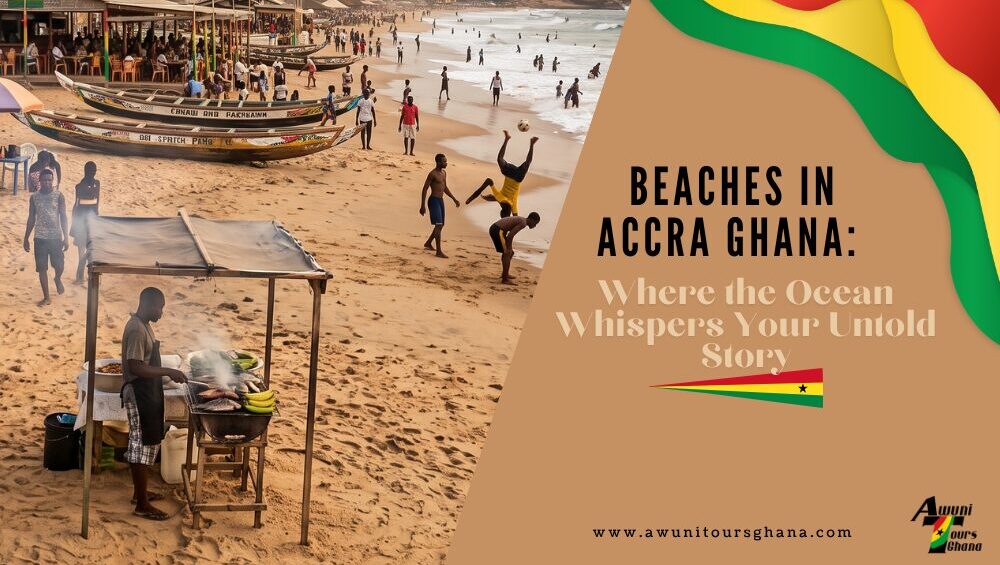
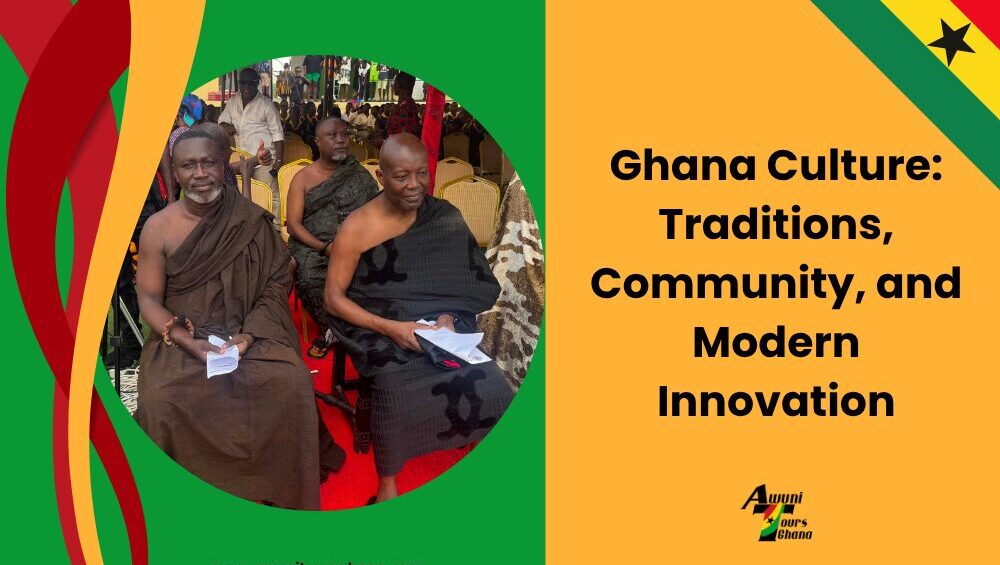
Whether you’re planning to visit during Ghana holidays or just studying Africa culture and tradition, understanding Ghanaian culture and traditions will help you connect with the people and appreciate their way of life.
Ghana Culture and Traditions

What Should You Know About Ghana Culture and Traditions?

Ghana culture includes many traditions and customs that people still follow every day.

1- Respect in Ghana Culture

One important part of Ghana culture and tradition is showing respect, especially to elders and leaders. In Ghana, it is common for people to greet one another warmly before starting any conversation. Greetings show good character and are often done with a smile and a handshake using the right hand.

Respect in Ghanaian Culture

When speaking to older people, they usually add respectful titles like “Auntie,” “Uncle,” or say “Sir” or “Madam.” Among some ethnic groups, like the Akan, younger people also slightly bend their knees when greeting someone older. These simple actions show how much value Ghanaians place on politeness and tradition.

2- Family Culture

In Ghana culture and customs, the family is the heart of society. It’s not just about parents and children, extended family and even neighbors are considered important.

Most Ghanaians live in strong family networks, where grandparents, cousins, aunties, and uncles all help raise children and support each other. Family ceremonies like births, marriages, and funerals are shared events where everyone comes together to show love and support.

Ghana Family Culture

In many communities, the entire village acts like one big family. This strong family connection is a powerful part of Ghanaian culture.

If you want to participate in such meaningful experiences, take a look at our tour packages, which offer authentic opportunities to connect with local communities.

3- Traditional Clothing

One of the most beautiful things about Ghana culture is its traditional dress. On special occasions and Ghana holidays, people proudly wear their best cultural outfits.

The most famous fabric is Kente, a colorful, handwoven cloth full of traditional symbols and meanings. It is worn by both men and women, especially during festivals and royal events.

Ghana Traditional Clothing

Women often wear “slit and kaba,” a wrap skirt with a matching blouse made from local fabric, while men may wear smocks or wrap a cloth over one shoulder in the Ashanti style. Traditional Ghanaian clothing shows pride in heritage and connects people to their ancestors.

4- Naming Tradition

Names in Ghana carry powerful meaning and are often tied to the day of the week a child is born. For example, a girl born on Monday is called Adwoa, and a boy is called Kwadwo. Each name has a spiritual meaning and is believed to describe a person’s character.

Ghanaian Naming Tradition

Names may also be given based on family history, special events, or in honor of ancestors. This unique naming system is a strong part of the culture of Ghana, passed down from one generation to the next.

5- Festivals and Ghana Holidays

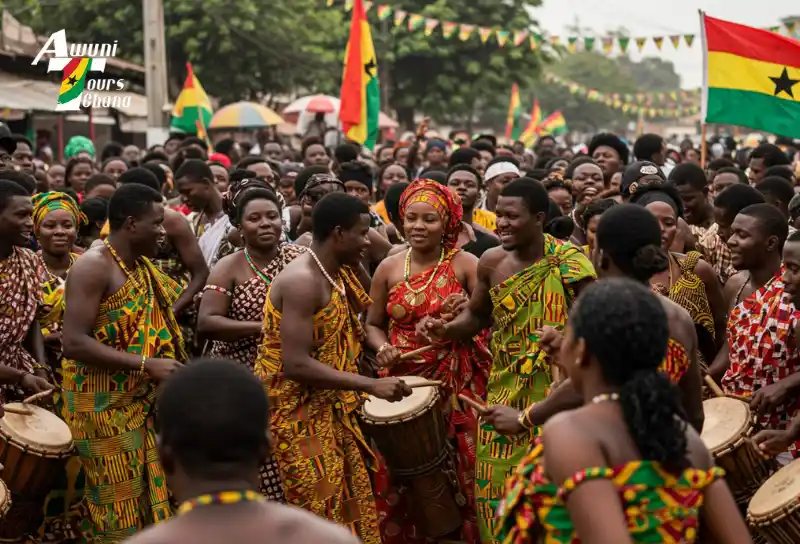
Festivals are an exciting and colorful part of Ghana culture. Every ethnic group in Ghana has its own festivals that are celebrated with dancing, drumming, and traditional clothing. Some well-known Ghana holidays and festivals include:

  • Homowo (by the Ga people): Celebrates the end of hunger and welcomes a good harvest.
  • Aboakyer: A lively deer-hunting festival to honour the gods.
  • Akwasidae (by the Ashanti): Held every six weeks to remember ancestors and honour chiefs.

These Ghana holidays are not just for fun; they help to pass on values, bring families together, and keep traditions alive.

Festivals and Ghana Holidays

Many of these festivals take place in some of the most vibrant cities and scenic areas in the country, such as Accra, Kumasi, and Cape Coast. You can explore more in this guide on the best places to visit in Ghana.

6- Traditional Beliefs

Traditional beliefs also play an important role in this culture. According to the Embassy of Ghana, 71% of the population is Christian, while 17% are Muslim. But they still follow ancestral customs and practices. In some communities, people visit shrines or traditional priests, also known as fetish priests, to ask for healing, protection, or advice.

Traditional Beliefs of Ghana

Many believe in the power of ancestral spirits who guide and protect their families. Sacred trees, rivers, and rocks are also respected as spiritual places. These practices are an important part of Ghana culture, which shows a deep connection between the natural world and the spiritual world.

7- Food and Eating

Ghanaian food is rich, flavorful, and full of variety. It reflects the culture of Ghana through ingredients, cooking styles, and customs.

Popular dishes include:

  • Fufu: It is made by pounding cassava and plantain and eaten with light soup or palm nut soup.
  • Banku: It is made from fermented corn dough and is usually served with tilapia and pepper sauce.
  • Waakye: It is a mix of rice and beans, served with stew, boiled eggs, and fried plantain.
  • Jollof rice: A favorite in many West African countries, including Ghana.
Ghanaian food

Traditionally, Ghanaians eat with their right hand, not with spoons or forks. Eating together is a sign of love and respect in Ghanaian culture.

8- Music and Dance

Traditional music in Ghana uses local instruments like drums, bells, and flutes. These instruments are used during festivals, religious ceremonies, and social events.

Ghana Music and Dance

One popular dance is the Adowa, performed mostly by the Ashanti people. It is a graceful dance, especially by women, where every hand movement carries a meaning.

Other dances like Kpanlogo, popular with the Ga people, are energetic and often involve group performances. Through music and dance, Ghanaians tell stories, celebrate events, and express their emotions. These traditions keep the culture of Ghana alive and joyful.

9- Social behavior

Cultural values also shape daily customs in Ghana. People are taught from a young age to greet others, especially elders, before starting any conversation. It is important to use the right hand when giving something, whether it’s money, food, or a handshake.

Social behaviour of ghana africa people

Children are expected to show respect, help older people, and behave politely in public. These everyday habits may seem small, but they are an important part of Ghanaian culture and show the kindness and discipline that Ghanaians are known for.

Ghanaian culture and traditions are full of life, meaning, and deep respect for family, community, and history. From the unique naming system and colorful clothing to the vibrant festivals, traditional foods, and respectful customs, every part of daily life in Ghana reflects its rich cultural roots. These customs are not just practices from the past; they are still honored and followed today across the country.

History here is not treated as a series of dead dates from the past; it is a vital, guiding presence in the modern world. You see it in the fierce devotion to preserving lineage through oral history, and the immense honor given to traditional leadership during festivals, where chiefs are carried through crowds beneath vibrant, spinning umbrellas.

This deep reverence for continuity shapes the entire worldview of the community. There is an unwavering understanding that every action taken today honors the generations who came before and builds the foundation for those who will follow. It gives daily life a beautiful, grounded sense of purpose, reminding anyone who experiences it that we are all part of a much larger, enduring story.

FAQs

Are Ghanaian festivals open to visitors?

Yes, many festivals welcome both locals and visitors. They offer a great way to experience Ghanaian culture through music, dance, traditional dress, and food.

Is religion important in Ghana culture?

Yes, most Ghanaians are religious, mainly Christian or Muslim, but traditional spiritual beliefs and customs are also practiced and respected in many communities.

What are some important Ghanaian traditions?

Important traditions include naming children by the day of the week they were born, honoring ancestors, wearing traditional attire, and celebrating festivals like Homowo and Aboakyer.

How is family important in Ghana culture?

Family is central to Ghanaian life. It includes extended relatives, and family members support one another during celebrations, challenges, and daily life.

ARTICLES YOU MAY LIKE:

Things to do in Ghana

Top 10 Things to do in Ghana: Cultural Heritage & Famous Landmarks

Ghana is a beautiful country in West Africa with many famous landmarks, a rich culture, and exciting tourist attractions. Whether you like history, nature, or beaches, Ghana has something special for everyone.

From old castles that tell stories of the past to national parks full of wild animals, you will find many places worth exploring. We have compiled this guide on the best places to visit in Ghana, so you can have a great and memorable trip. These places are all about the cultural heritage and famous landmarks that make Ghana a unique travel destination.

Things to do in Ghana

Top 10 Things to do in Ghana

Ghana is full of amazing places that let you explore its deep history, rich culture, and natural beauty. If you’re planning to tour Ghana, here are some of the best places to visit that you shouldn’t miss.

1- Cape Coast Castle

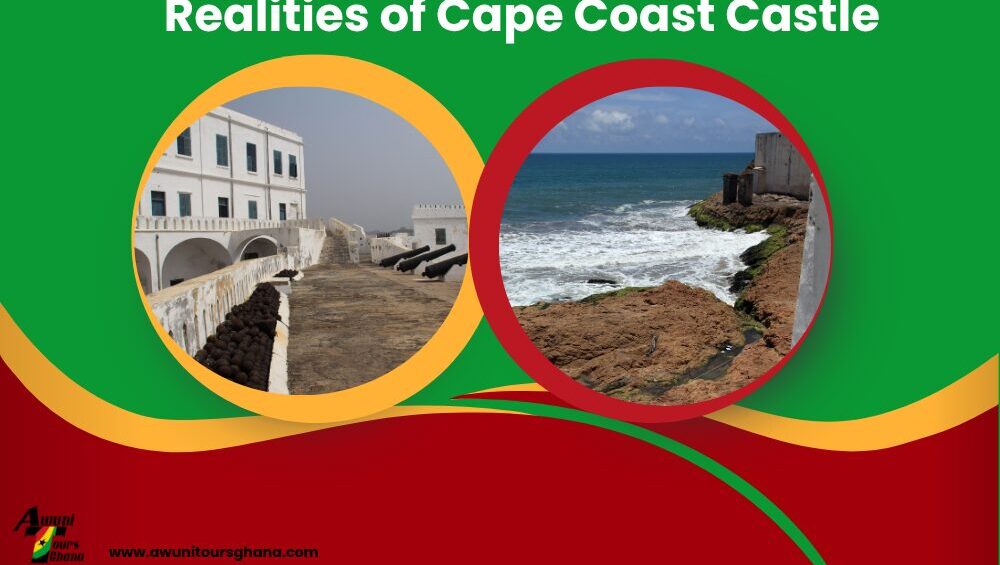
Cape Coast Castle is one of the important historical places in Ghana. This large white castle sits beside the Atlantic Ocean. Long ago, it was used during the time of the Ghana slave trade. This white building was built by Europeans. African men, women, and children were kept in small, dark rooms under the castle before they were sent away to work as slaves in other countries.

Cape Coast Castle: One of the best places to visit in Ghana

Today, the castle is a museum and memorial site. When you visit, you can walk through the dungeons, see the “Door of No Return,” and listen to tour guides tell stories about the past. It is a place that teaches us about pain, strength, and the importance of freedom.

2- Elmina Castle

Elmina Castle, Ghana, is one of the most famous and oldest tourist attractions in Ghana West Africa. It was built in 1482 by the Portuguese and is the oldest European building in sub-Saharan Africa. Like Cape Coast Castle, it was also used during the slave trade.

Elmina Castle in Ghana

You can walk through the rooms where people were held, see the old church, and climb up to see the sea. Even though it looks beautiful outside, it holds a very sad history. The feeling of standing in a place where so much history happened is something you’ll never forget.

3- Kakum National Park

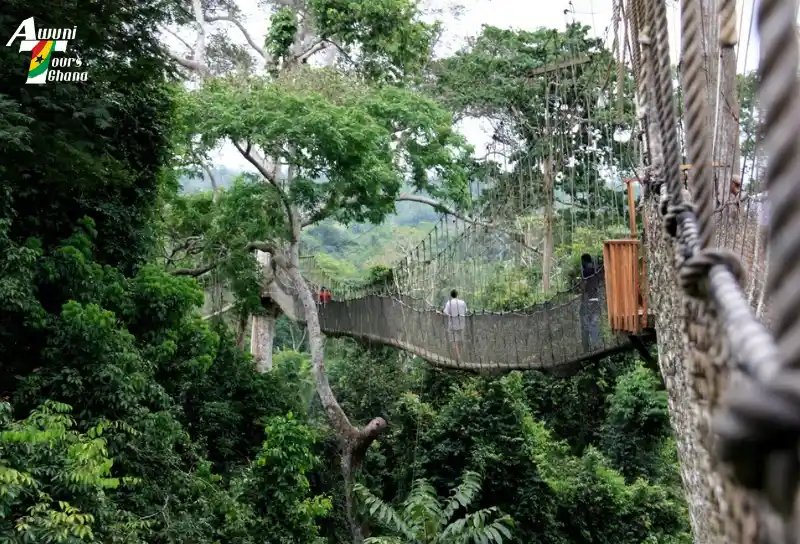
Kakum National Park is a green forest full of tall trees, birds, and animals. One of the best parts of the park is the canopy walkway, a rope and wood bridge hanging high in the trees. When you walk on it, you can see the forest from above like a bird!

Kakum National Park

The park also has guides who tell you about the plants and animals that live there, and why the forest is important for Ghana.

4- Mole National Park

If you’ve ever wanted to go on a real African safari, then Mole National Park should be on your list. You can see elephants, antelopes, monkeys, baboons, and more walking freely in their home.

Mole National Park Ghana

You can take a walking tour or hop on a jeep and drive through the park. Sometimes, the animals even come close to where you’re staying. It’s a wild and wonderful experience that you’ll want to tell everyone about when you return.

5- Manhyia Palace, Kumasi

Kumasi is the main city of the Ashanti people, who were once one of the strongest in Africa. This place is full of royal tradition, gold, and beautiful clothing. If you’re curious about Cultural Heritage and want to learn about Ghana’s kings and queens, this is the perfect stop.

Manhyia Palace, Kumasi

There’s also a museum inside where you can see ancient items, photos, and learn about how the Ashanti people lived and ruled.

6- Jamestown, Accra

If you’re visiting Accra, make sure you spend some time in Jamestown. It’s one of the oldest parts of the city, filled with colorful street art, music, and old buildings. You can also climb the Jamestown Lighthouse to see the sea and the city from high up.

Jamestown, Accra Ghana

One of the best times to visit is during the Chale Wote Street Art Festival, when the streets come alive with music, dance, and paintings. If you love creativity and local culture, Jamestown is one of the top tourist attractions in Accra.

7- Wli Waterfalls

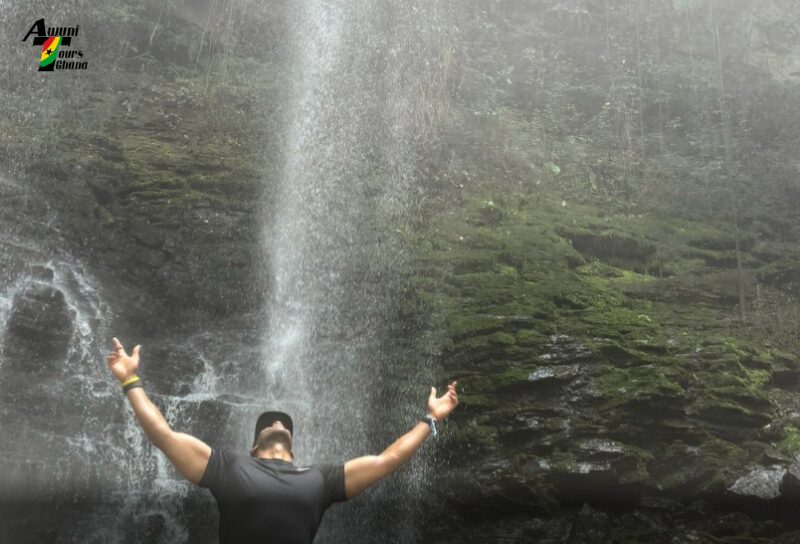
If you love waterfalls, don’t miss Wli Waterfalls, the tallest in West Africa. Located in the Volta Region, you’ll walk through a green forest full of birds and butterflies to reach it.

The sound of the water, the cool breeze, and the natural beauty make it a perfect place to relax. Many people also enjoy swimming at the bottom of the waterfall. It’s also a nice place for a picnic or hiking trip.

Ghana famous Wli Waterfalls

Some places, like national parks and waterfalls, might involve a bit of walking or hiking, so it’s good to pack comfortable clothes and shoes. Check out our complete Ghana trip packing checklist before you go.

8- Labadi Beach

It’s one of the most popular tourist attractions in Accra. Whether you’re going for a quiet walk by the waves or you want to join in the lively beach fun, Labadi offers something for everyone.

Labadi Beach popular tourist attraction in Accra

You’ll find locals and visitors dancing to live music, horseback riding along the shore, and enjoying tasty street food like grilled fish and kebabs. On weekends and holidays, the beach comes alive with cultural drumming and dancing shows, giving you a real feel of Ghana’s energy.

9- W. E. B. Du Bois Memorial Centre

In Accra, you can also visit the W. E. B. Du Bois Memorial Centre is dedicated to a great African-American scholar who moved to Ghana. He believed in African pride and unity.

W. E. B. Du Bois Memorial Centre

You’ll find his grave, his books, and a peaceful space to learn and reflect. It’s quiet, respectful, and meaningful. It is one of the special heritage tours in Accra.

10- Independence Square (Black Star Square)

If you want to feel the heart of Ghana, this is one of the most famous landmarks of Ghana. This large square was built in 1957 to celebrate Ghana’s independence from colonial rule, the first in Africa.

The big star on the gate is called the Black Star, which stands for freedom and hope. Every year, on March 6, people come here to celebrate Ghana’s Independence Day with parades and events.

Independence Square (Black Star Square)

Ghana is a country full of heart, history, and beauty. From powerful castles that tell stories of the past to peaceful lakes, wild safaris, and fun beaches, there’s something here for every kind of traveler. If you want to explore deep culture, meet friendly people, and enjoy amazing nature, Ghana is the perfect place to visit. These tourist attractions in Ghana West Africa will leave you with memories you’ll never forget.

FAQs

Is it easy to travel around Ghana as a tourist?

Yes, you can travel by car, bus, or local flights. Many tours are available, and most Ghana tourist attractions are easy to reach with a guide or on your own.

What kind of food can I try in Ghana?

Ghana offers delicious dishes like jollof rice, fufu and soup, banku with tilapia, and tasty street foods like kebabs and koko. Don’t miss trying local flavors!

How long should I spend in Ghana to see the top sights?

To see most of the best places to visit in Ghana, plan for at least 7–10 days. This gives you time to explore the coast, the cities, and some nature.

Articles You May Like:

Kingdom of Ghana

8 Reasons to Visit the Kingdom of Ghana

The Kingdom of Ghana is one of the most beautiful and welcoming countries in West Africa. It’s full of rich culture, friendly people, amazing food, and stunning places to visit. Whether you want to relax, enjoy local culture, or experience something new, Ghana has something for everyone.

Many travelers ask, “Why travel to the kingdom of Ghana?” The answer is that it’s safe, and rich with historic landmarks, dense rainforests, beautiful coastlines, and full of unforgettable experiences. From warm smiles to peaceful beaches, Ghana has a special way of making you feel at home.

Kingdom of Ghana

Why Visit the Kingdom of Ghana?

From the moment you arrive to the kingdom of Ghana, the legendary spirit of welcome is a tangible, everyday reality, inviting you to slow down, share a communal table, and experience a profound sense of belonging that leaves a permanent mark on how you view the world. Visiting the kingdom of Ghana is to experience a culture that fundamentally redefines how human beings connect with one another.

1- Friendly People

When you visit a new country, it feels really good to be treated kindly. On the kingdom of Ghana trip, you’ll feel safe and comfortable because of the welcoming nature of the people. When you go there, people will smile at you, greet you, and often say “Akwaaba”, which means “Welcome.”

The Kingdom of Ghana: Friendly People: reason why travel to ghana

Ghanaian people are respectful and like to help visitors. If you need directions, talk to locals, or learn about their daily lives, people will happily assist you. Also, because English is the official language, you can easily talk to people and understand signs and menus.

2- Cultural Experiences

The kingdom of Ghana has many different groups (tribes), and each group has its own language, clothes, music, and festivals. This makes Ghana’s culture very interesting and exciting. People travel to experience new cultures and traditions, and Ghana is the perfect place for that.

The Kingdom of Ghana Cultural heritages
  • Festivals: Almost every town has a big celebration every year. People wear traditional clothes at these festivals, play drums, dance, and eat together. Some examples are the Homowo Festival in Accra and the Aboakyer Festival in Winneba.
  • Clothes: People wear Ghanaian traditional clothing like the famous Kente cloth, with bright colors and beautiful patterns. Kente is a special fabric made by hand. Each of its colors and designs has a meaning.
  • Music and Dance: Music is a big part of life in Ghana. You will hear drums, singing, and dancing at weddings, parties, and even in the streets. Traditional music mixes with modern styles like Highlife and Afrobeats.

3- Ghana’s Amazing History

The kingdom of Ghana has an important place in the story of the African diaspora. Many people from Africa were taken from Ghana and sent across the ocean to America and Europe as slaves.

  • Cape Coast Castle and Elmina Castle: These are old buildings by the ocean. A long time ago, many enslaved Africans were kept here before they were taken away by ship. You can visit these places, walk inside, and learn about what happened. It is a very emotional experience.
  • Year of Return (2019): In 2019, Ghana invited people worldwide to reconnect with their roots through the Year of Return campaign. Thousands of people came, and now many more are still visiting each year.
The Kingdom of Ghana’s Amazing History

So, if you want to understand African history and connect to your ancestry, a trip to the kingdom of Ghana, Africa, are the best way to do it.

4- Nature and Wildlife

The kingdom of Ghana is not just about cities. It has rainforests, rivers, waterfalls, parks, and wild animals. If you love nature, hiking, or animal watching, Ghana tourism offers many unforgettable places to explore.

The Kingdom of Ghana Nature and Wildlife
  • Kakum National Park is a big forest with a special bridge high up in the trees, called a canopy walkway. You can walk across it and see the forest from above.
  • Mole National Park is where you can go on a safari, a trip to see animals in the wild. You might see elephants, monkeys, and antelopes.
  • Wli Waterfalls is the highest waterfall in Ghana and the tallest in West Africa. You can hike there and enjoy the cool air and the beautiful view.
  • Volta Region is known for its lush green landscapes, beautiful waterfalls, and peaceful atmosphere.

5- Different Beaches

The kingdom of Ghana has a long coastline with many beautiful beaches where you can relax, swim, or enjoy fresh seafood. 

  • Labadi Beach: Labadi Beach in Accra is a popular beach with music, food, horse rides, and dancing.
  • Busua and Axim: Quiet beaches, great for swimming or learning how to surf. You can also stay in beach resorts or simple guesthouses.
  • Ada Foah: Ada Foah is a peaceful place where a river meets the ocean. You can kayak, go fishing, or enjoy boat rides.
The Kingdom of Ghana Different Beaches

Because of the warm and tropical Ghana climate, it’s important to pack lightweight clothes to wear on the beaches. You can use our Ghana packing list to help you get ready for your trip. 

6- Delicious and Unique Food

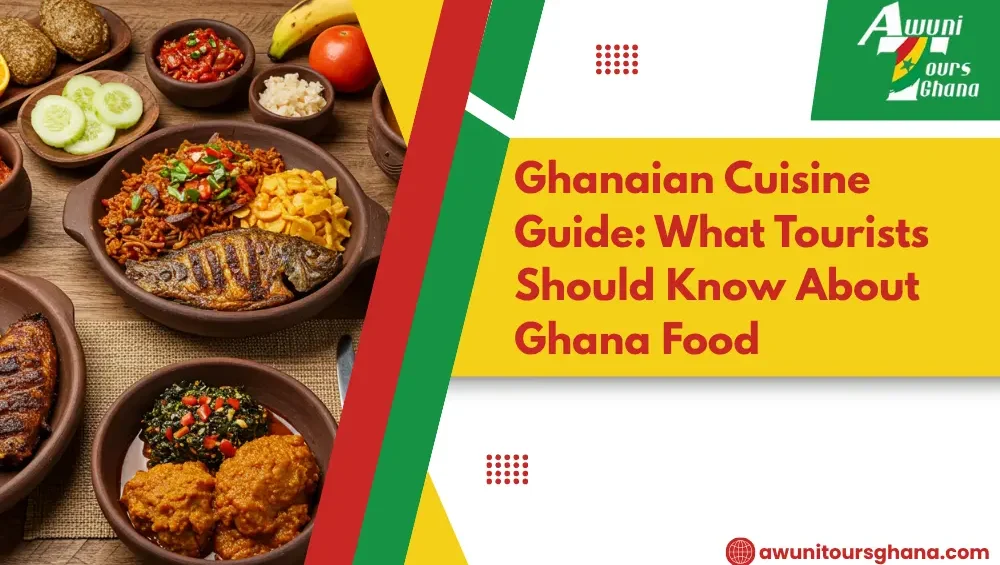
Ghanaian food is tasty, spicy, and full of flavor. You can try many different meals, often made with rice, cassava, yam, or plantains. If you love trying new foods, Ghana African food will surprise you. Some popular dishes include:

  • Jollof Rice: A famous West African dish. It’s rice cooked in tomato sauce with spices, served with meat or fish.
  • Fufu: A soft, stretchy dough made from cassava or yam, eaten with soup. You can use your fingers to eat it.
  • Waakye: It is a mix of rice and beans, which is served with many side options like eggs, meat, and spaghetti.
  • Kelewele: This spicy fried plantain is a type of tasty snack or side dish.
The Kingdom of Ghana Delicious and Unique Food

7- Safe and Peaceful Country

It’s important to feel safe when traveling. The kingdom of Ghana is fourth safest country in Africa. It has a stable government and peaceful people. You can walk around cities and towns, take public transport, and meet locals without any worry. Of course, like anywhere in the world, you should be careful with your belongings and follow basic safety rules. But overall, traveling to Ghana is a great experience for most visitors.

The Kingdom of Ghana is a Safe and Peaceful Country

8- Affordable and Easy to Travel

The kingdom of Ghana is a good place to visit, even if you don’t have a lot of money. Everything is very easy to arrange. You can find:

  • Cheap food at local spots.
  • Budget hotels, guesthouses, or hostels.
  • Easy transport, like shared vans called trotros, or taxis.
  • If you’re going far (like from Accra to the north), you can take a bus or a domestic flight. 
The Kingdom of Ghana is Affordable and Easy to Travel

The kingdom of Ghana is more than just a travel destination; it’s a place full of history, culture, and natural beauty. Whether you’re walking through colorful markets, exploring waterfalls, dancing at festivals, or learning about deep history, every part of Ghana offers something special. With friendly people, rich traditions, and so many amazing places to visit, there’s no better time to plan a trip to Ghana.

FAQs

Is Ghana safe for tourists?

Yes, Ghana is one of the safest countries in Africa for travelers. The people are friendly, and the country is peaceful and welcoming.

How much does a trip to Ghana cost?

Ghana trip costs depends on your travel style, and vary accordingly. You can enjoy good food, transport, and hotels at fair prices.

What is the climate like in Ghana?

The Ghana climate is warm and tropical all year round. There are dry and rainy seasons, but it’s usually sunny and pleasant.

Are there travel packages available for Ghana?

Yes, Awuni Tours Ghana offer Ghana travel packages that include airfare, tours, hotels, and transport to make planning your trip easier.

Articles You May Like:

Ghan packing list: what to pack for trip to ghana

Ghana Packing List: What to Pack for a Trip to Ghana

So, you’re getting ready for a trip to Ghana, but you don’t know exactly what to pack. Smart packing is important for this trip because the weather, culture, and travel rules are different from what many travelers are used to.

To make your trip wonderful, we have created this Ghana packing list to help you get fully prepared. It covers everything from entry requirements for Ghana to clothing, health items, and finances, so you can’t forget anything.

You can use this easy travel to Ghana checklist, whether it’s your first visit or you’ve been before; it’s made to help every traveler pack with confidence.

Ghana Packing List: Are You Bringing the Right Essentials?

Before you fly to Ghana, Africa, make sure you pack the right things. This list covers everything you need to bring for a smooth and comfortable trip.

Important Travel Documents

Before you go on any trip, you must have the right travel documents. These papers help you enter the country and avoid any delays or problems.

Ghana Packing List: Important Travel Documents for ghana
  • Passport: Your passport must be valid for at least 6 more months from your travel date. This is needed for all Ghana trips for entering and identification.
  • Visa: You’ll need a visa to enter the country unless you’re from a visa-free nation. Get this in advance from a Ghanaian embassy or apply online if your country allows it.
  • Yellow Fever Vaccination Certificate: One of the main requirements for visiting Ghana is proof of yellow fever vaccination. You have to show this document at the airport to enter the country.
  • Travel Insurance: Make sure to get travel insurance. It helps you pay for medical expenses or lost items. It’s like a precaution for you if anything goes wrong during your trip.
  • Photocopies of All Documents: Make extra copies of your passport, visa, and insurance. Keep them in a separate bag or online in case you lose the originals.
  • International Driving Permit: If you want to rent a car to travel to Ghana from the USA, you’ll need this permit along with your regular license.

Clothing & Shoes

The weather in Ghana is usually hot and humid, so pack light and breathable clothes. Also it is a dusty place, so white clothing is not recommended.

Clothing and Shoes for Ghana travel

Lightweight Clothing

  • Breathable Clothes: Ghana is hot, so wear light clothes that allow air to pass through, like cotton or linen.
  • T-Shirts and Tops: These are great for staying cool during the day. Bring a few in light colors, which reflect heat better than dark ones.
  • Lightweight Pants or Shorts: Loose-fitting bottoms help you stay cool and protect your legs from mosquitoes and sunburn.
  • Dresses: Comfortable dresses made from soft materials are great for women. They keep you cool and are easy to wear on hot days.
  • A Light Jacket or Sweater: Evenings can be cool in some areas, such as Aburi, Kumasi, or the Volta Region. You might also need it in cold buses and buildings with air conditioning.

Cultural Considerations

  • In villages and churches, people dress more conservatively. Wear longer skirts or pants and cover your shoulders out of respect.
  • A Scarf or shawl is useful for covering up quickly when needed, especially if you visit a mosque or traditional gathering.

For Rainy Season (April to October)

  • Small Umbrella: Rain can come suddenly, especially in the rainy season. A small umbrella will keep you dry without taking up much space.
  • Waterproof Jacket: A thin rain jacket protects you from rain without making you too hot. Choose one that folds up easily in your bag.
  • Waterproof footwear: Roads can get muddy or flooded. Waterproof footwear helps you walk around comfortably in wet conditions.
  • Comfortable Walking Shoes: You’ll walk a lot when you plan a trip to Ghana, so bring shoes that are kind to your feet.
  • Flip-Flops: Easy to wear at the beach, in the shower, or when relaxing. They’re light and don’t take up much space.

Health & Hygiene

While travelling, it’s natural to think, Is it safe in Ghana. Well, it is one of the safest countries in Africa, but you should be prepared for any health emergency. These items will help protect you from bugs, the sun, and common travel issues.

Health and Hygiene for travelling to ghana
  • Prescription Medications: Bring enough medicine for your whole trip, in original packaging. Also carry a doctor’s prescription if needed.
  • Antimalarial Medication: Malaria is common in Ghana. Talk to your doctor before the trip about pills to prevent it.
  • Insect Repellent: Mosquitoes can carry diseases like malaria. Use repellent with DEET or picaridin to keep them away.
  • Sunscreen: Ghana has strong sun, so use sunscreen (SPF 30 or higher) to avoid sunburn, especially during outdoor trips.
  • Hand Sanitizer and Antibacterial Wipes: Clean your hands when there’s no water or soap available, especially before eating.
  • Oral Rehydration Salts: These packets help you stay hydrated if you get sick or have diarrhea. Just mix with clean water.
  • Basic First-Aid Kit: Include items like band-aids, painkillers, allergy pills, and antiseptic. You might not find what you need locally.
  • Toiletries: Bring your daily hygiene items like toothbrush, toothpaste, deodorant, soap, and shampoo. Travel sizes are best.
  • Tissues or Toilet Paper: Public toilets often don’t have paper. Keep tissues or a small roll of toilet paper in your bag.

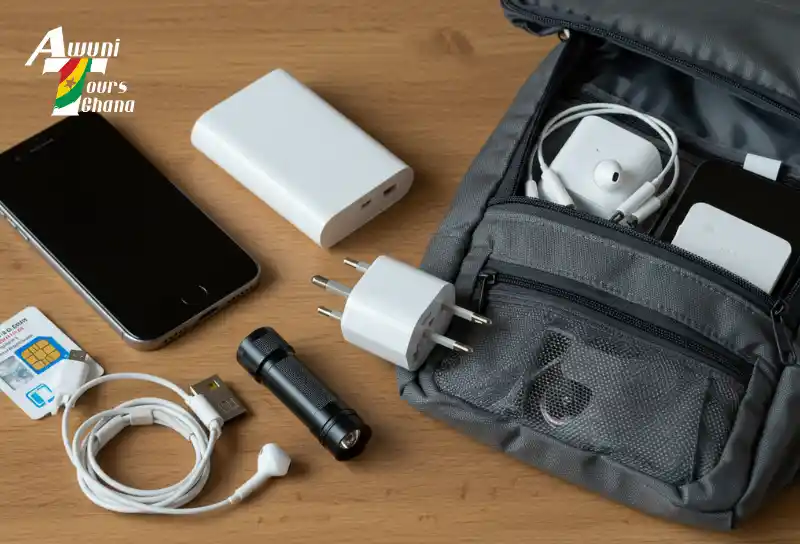
Electronics & Gadgets

A few smart electronics can make your trip smoother and more enjoyable. These tools help you stay connected, charged, and ready.

Electronics & Gadgets for ghana travel
  • Mobile Phone: Bring an unlocked phone if you want to use a local SIM card for cheaper calls and internet.
  • Power Bank: Power cuts are common, especially outside big cities. A charged power bank will keep your phone working.
  • Universal Travel Adapter: Ghana uses plugs of type D and G. A universal adapter will make sure your electronics work.
  • Flashlight or Headlamp: Useful during power cuts or if you’re walking in areas with poor lighting at night.
  • Earphones or Headphones: Handy for listening to music or podcasts during long rides or when relaxing.

Money & Financial Essentials

Handling money is a big part of travel. Learn what cash and cards to bring so you’re always prepared while shopping or paying for services.

Money & Financial Essentials for ghana tour
  • US Dollars: You can exchange US dollars easily in Ghana. Bring clean, newer bills in good condition.
  • Ghanaian Cedis: This is the local currency. You can get cedis from ATMs or exchange centers in cities.
  • Credit/Debit Card: Cards are accepted in big hotels and stores. Visa works better than Mastercard in most places.
  • Money Belt or Hidden Pouch: Keep your cash and important items safe under your clothes, especially in crowded areas.
  • Small Coin Purse: Local markets and small shops deal in cash. A small purse helps you carry coins and small bills.

Some Useful Extra Items

  • Reusable Water Bottle: It’s hot in Ghana, so drink lots of water. A reusable bottle saves money and reduces plastic waste.
  • Travel Towel: Pack 2 towels, which are useful if your hotel doesn’t provide one and can be used for beach trips and hikes.
  • Daypack or Small Backpack: Carry your essentials like water, sunscreen, and camera on day trips or walking tours.
  • Ziplock Bags: Protect your electronics or keep wet clothes separate. These are super handy for organization.
  • Snacks or Energy Bars: Great for long bus rides, hikes, or when food options are limited.
  • Guidebook or Offline Map App: The Internet may not always work. Use a guidebook or apps like Maps.me that work without Wi-Fi.
  • Notebook and Pen: Write down directions, phone numbers, or journal your experience. It’s a simple but useful tool.

When you plan a trip to Ghana, it’s important to prepare well. Use this Ghana packing list to stay organized. Always double-check the entry requirements for Ghana, especially if you’re traveling during a busy season or with a group.

Whether you travel to Ghana from the USA, Europe, or elsewhere, Ghana’s beauty, history, and friendly people make it an unforgettable destination. Follow this travel to Ghana checklist and enjoy your adventure with confidence.

FAQs

Do you need a passport to go to Ghana?

Yes, a passport is required to enter Ghana. It must be valid for at least six months from your travel date, and most travelers also need a visa before arrival.

What clothes to wear in Ghana?

Light, breathable clothing is best because of the hot and humid weather. Choose modest outfits, especially when visiting villages, religious sites, or local communities.

Is it safe in Ghana for travelers?

Ghana is one of the safer countries in West Africa, with friendly locals and a welcoming culture. Like anywhere, stay alert in busy areas and follow local advice for a smooth trip.

What are the entry requirements for Ghana?

You’ll need a valid passport, a visa, and proof of yellow fever vaccination. Make sure to check the latest Ghana travel advice before flying, especially if traveling from the USA.

What’s the best time to plan a trip to Ghana?

The dry season (November to March) is the best time to visit, with sunny weather and fewer rain interruptions. It’s great for sightseeing, festivals, and outdoor trips.

Can I fly to Ghana from the USA?

Yes, there are direct and connecting flights from major U.S. cities to Accra, Ghana. It’s easy to fly to Ghana, Africa, with regular airlines.

Articles You May Like: