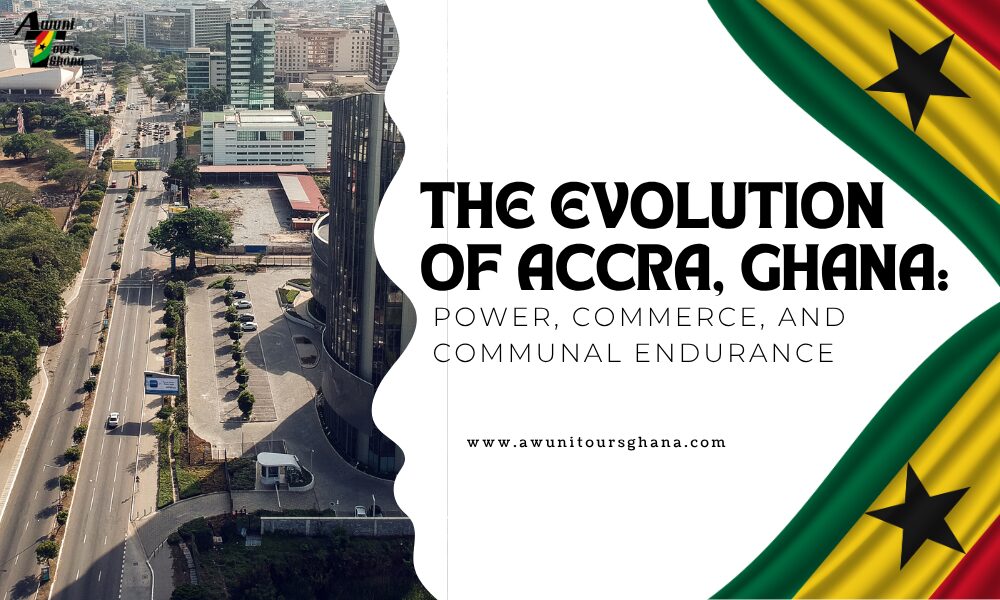
Accra, Ghana operates as a major political and economic hub on the West African coast, defined by a history of rapid urbanization and structural transformation. The city developed from a collection of coastal fishing villages into a colonial capital, eventually becoming the focal point of the nation’s independence movement. In the modern era, the municipality handles the pressures of globalization, infrastructure expansion, and a massive informal economy, all while maintaining the traditional social frameworks established by its indigenous population centuries ago.
The Indigenous Foundations and Early European Contact
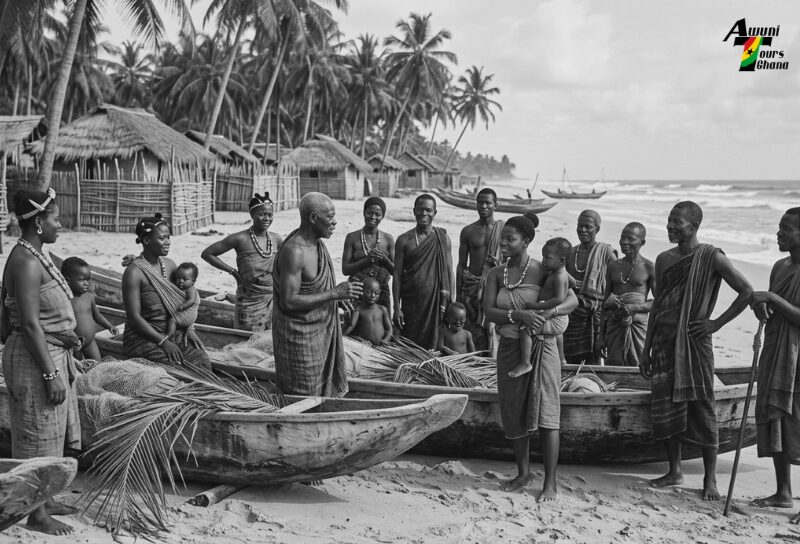
Before the arrival of European fortresses, the geography that comprises modern Accra, Ghana was populated by the Ga people. The Ga established agricultural and fishing settlements organized into distinct traditional states, utilizing the coastal terrain for regional trade. By the sixteenth century, the strategic coastal position of the area attracted European maritime powers seeking access to gold and local markets.
The Portuguese, Dutch, English, and Danish each constructed fortified trading posts along the immediate coastline of Accra, Ghana. These fortifications, including Fort James, Crêvecoeur (later Ussher Fort), and Christiansborg Castle, fundamentally altered the local economy. The presence of these competing European empires forced the Ga people to navigate complex trade alliances, gradually shifting the local focus from regional barter to international maritime commerce.
The Transatlantic Slave Trade and Urban Shifting
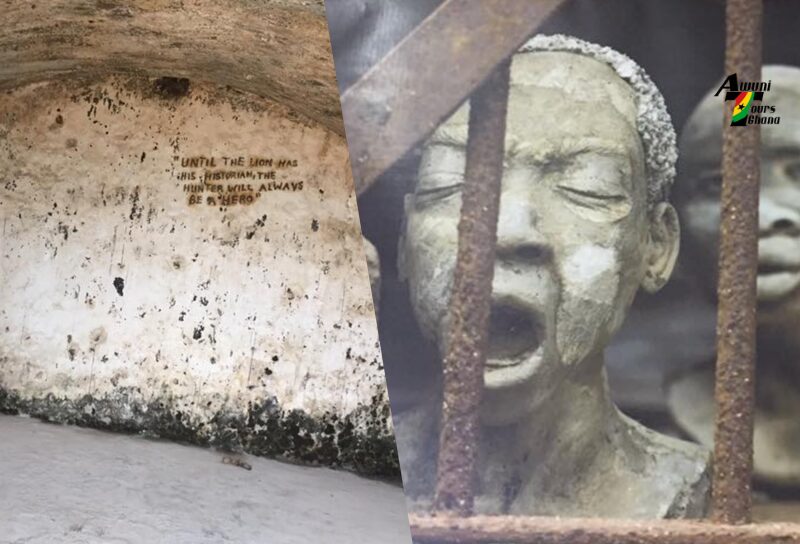
As European economic priorities shifted from gold extraction to agricultural cultivation in the Americas, the fortresses of Accra, Ghana were modified to support the transatlantic slave trade. Christiansborg Castle, Fort James, and Ussher Fort became high-security holding facilities for human beings captured from the interior regions. The architecture of these forts was optimized for incarceration, featuring underground holding chambers designed to store captives securely until slave ships anchored offshore.
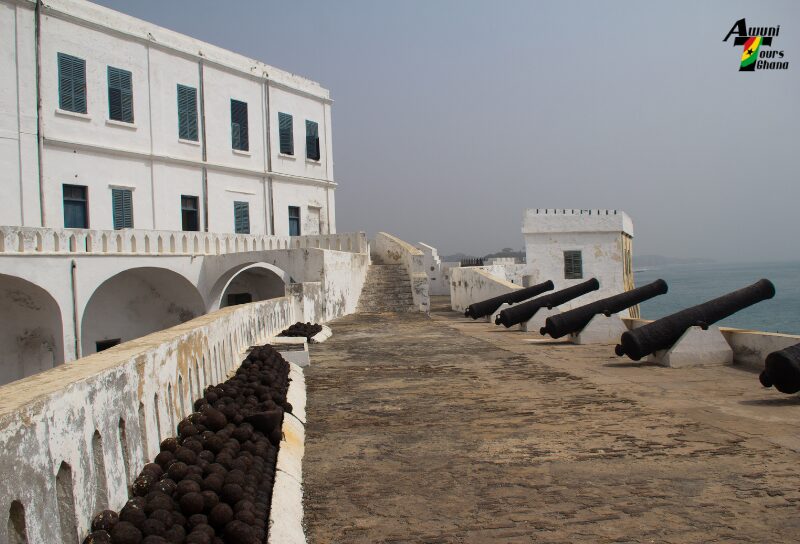
This period of forced migration and human trafficking permanently altered the demography and social structure of Accra, Ghana. The local economy became entangled with European trade goods, firearms, and currency introduced through the fortresses. Despite the violence and destabilization caused by the slave trade, the local population maintained its core social institutions, adapting their defensive strategies and political structures to survive the colonial pressures operating directly on their shoreline.
Colonial Consolidation and the Capital Shift
Following the abolition of the slave trade, Great Britain consolidated its authority over the coastal region, eventually establishing the Gold Coast colony. In 1877, the British colonial administration moved the institutional capital from Cape Coast to Accra, Ghana. The decision was driven by the drier climate of the area and the strategic advantage of having multiple established fortresses to house administrative offices.
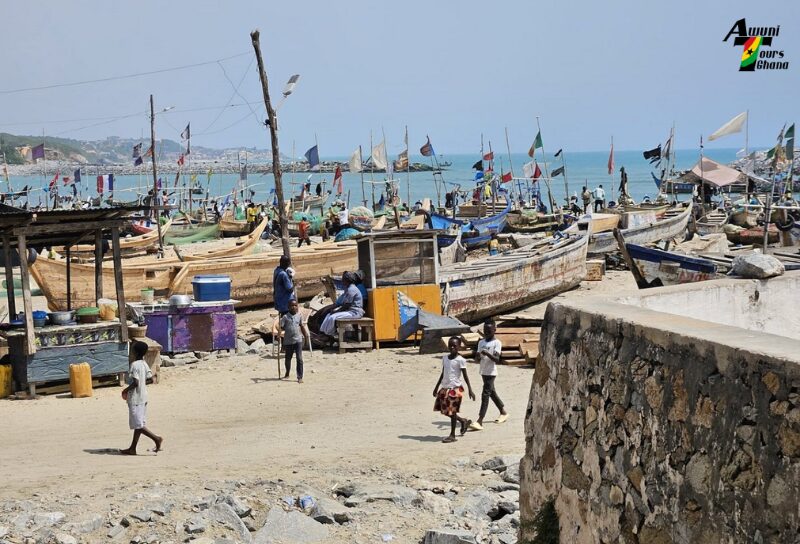
The shift to a colonial capital introduced systematic segregation and deliberate urban planning choices. The British built distinct administrative zones, such as the Ministries and Victoriaborg, designed strictly for European officials, while leaving indigenous neighborhoods like Jamestown and Usshertown to develop with minimal infrastructural investment. This dual urban structure created a permanent disparity in local resource allocation, forcing the local working-class population to rely on self-organized community networks for basic survival.
Kwame Nkrumah and the Independence Movement
By the mid-twentieth century, Accra, Ghana became the primary staging ground for anti-colonial political mobilization. The socioeconomic frustrations of returned World War II veterans, local traders, and educated professionals culminated in the 1948 Accra Riots, sparked by the colonial police firing on a peaceful march of veterans. This event accelerated the demand for immediate self-governance.
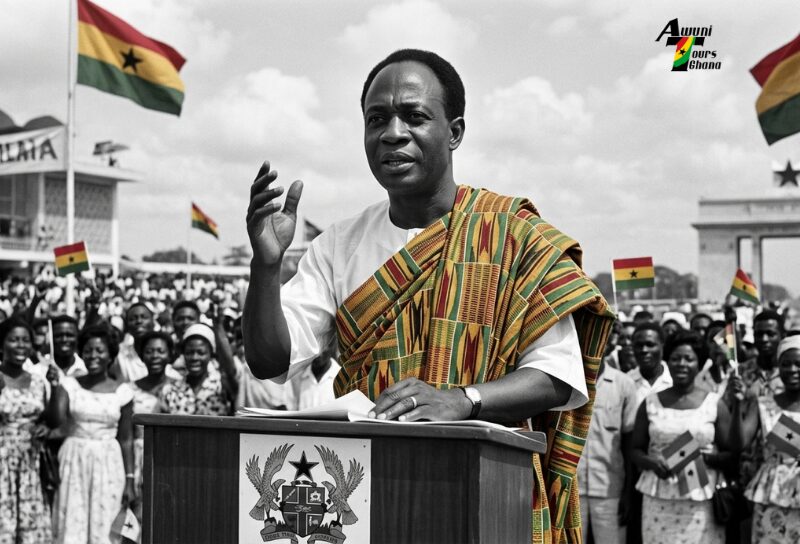
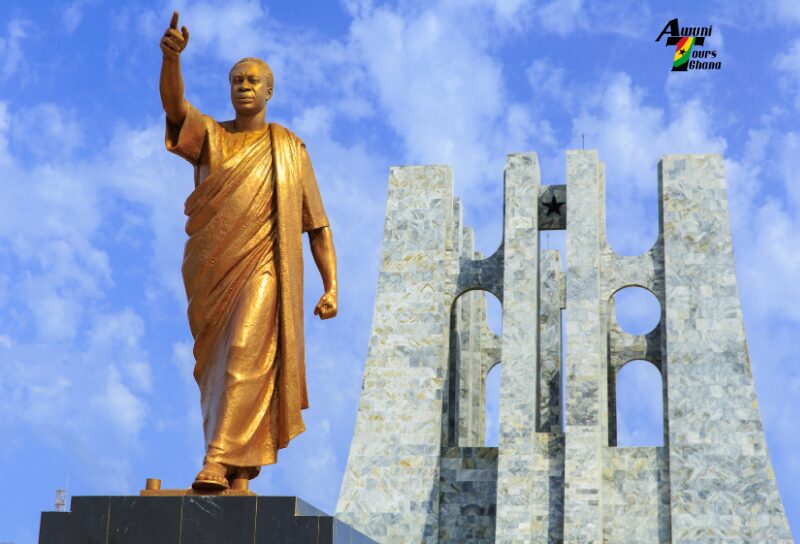
Kwame Nkrumah emerged as the central figure of this political transition, organizing the Convention People’s Party (CPP) within the urban centers of Accra, Ghana. When independence was achieved in 1957, Nkrumah utilized the capital city to project a new vision of industrialization and pan-African unity. He commissioned monumental infrastructure projects, including Independence Square (Black Star Square), the State House complex, and the Kwame Nkrumah Mausoleum park, permanently altering the physical landscape of the city to reflect a break from colonial subordination.
The Structure of the Modern Local Economy
The contemporary economy of Accra, Ghana is driven by a massive, highly organized informal sector operating alongside expanding financial and corporate industries. The primary engine of domestic trade in the city is the Makola Market. This vast commercial zone is managed predominantly by local market women who control the wholesale distribution, pricing, and supply chains for textiles, fresh agricultural produce, and manufactured goods across the region.
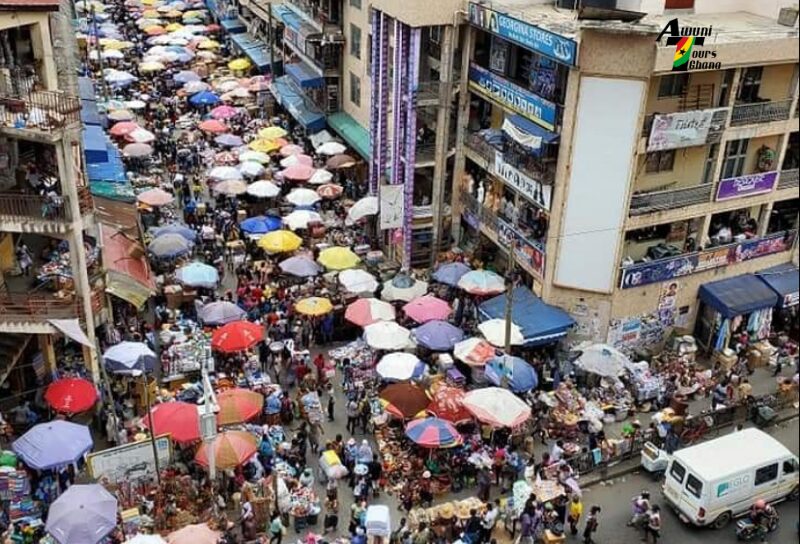
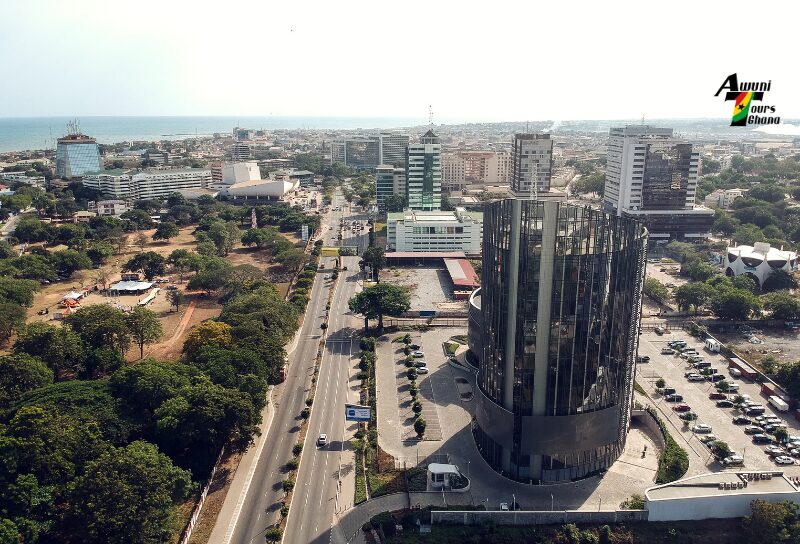
Alongside traditional marketplaces, Accra, Ghana has developed into a regional center for corporate offices, real estate development, and technology firms, centered in neighborhoods like Airport Residential Area and Ridge. The city also handles significant international commerce through its proximity to the Tema industrial port. This dual economic structure means that while multinational corporations expand their presence in corporate high-rises, the daily survival of the majority of the population relies on artisan labor, petty trading, and informal transport networks like the trotros.
The Resilience and Social Fabric of the Population
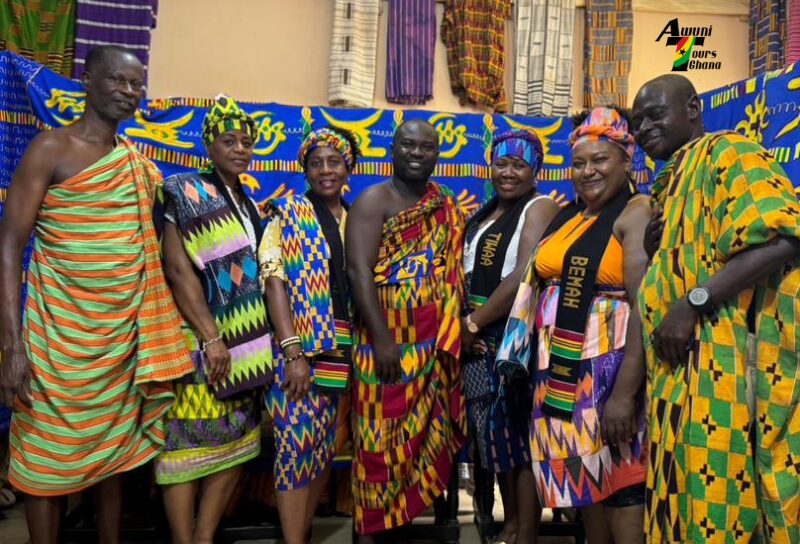
The rapid population growth of Accra, Ghana has created severe urban challenges, including traffic congestion, housing deficits in informal settlements like Old Fadama, and strained municipal sanitation systems. However, the social fabric of the city survives due to the persistence of traditional communal structures. The Ga Mashie ancestral leadership still exercises significant authority over land disputes and cultural preservation within the historic core of the city.
The resilience of the population is demonstrated by their ability to self-regulate and maintain community safety nets without relying on state infrastructure. Neighborhood associations, market unions, and extended family networks manage local dispute resolutions and financial mutual-aid groups, known as susu. This collective organization ensures that despite economic volatility and inflation, working-class communities retain a high degree of social stability and mutual support.
Urban Expansion and Geographic Transformation
Modern Accra, Ghana has expanded far beyond its original colonial boundaries, transforming into an expansive metropolitan area that connects with neighboring municipal districts. Neighborhoods like East Legon, Cantonments, and Labone have become centers for high-end real estate, catering to expatriates, real estate investors, and the Ghanaian diaspora. This expansion has created a stark geographic contrast between affluent residential enclaves and dense, low-income quarters.
The physical growth of the metropolis requires ongoing infrastructure modifications, including the construction of complex highway flyovers, like the Kwame Nkrumah Interchange, to manage heavy traffic flows. These modern transport developments sit directly alongside historical landmarks, creating an urban landscape where twentieth-century political monuments, nineteenth-century colonial forts, and twenty-first-century commercial developments exist within the same space.
Strategic Importance of Accra, Ghana
Accra, Ghana remains a critical focal point for understanding the trajectory of urban West Africa. The city has evolved from an entry point for European colonial penetration into a self-governing metropolis that manages its historical trauma through active economic growth and cultural preservation. The endurance of its local marketplaces, the persistence of its traditional leadership, and the continuous adaptation of its working class ensure that the city functions as a stable center for regional commerce and political administration.
FAQs
Which indigenous group originally settled the coastline of Accra, Ghana, and how did European contact alter their local economy?
The Ga people originally settled the area, establishing agricultural and fishing communities. The arrival of European powers who built fortified trading posts shifted the local economy from regional barter to international maritime commerce as the Ga navigated complex trade alliances.
Why did the British colonial administration decide to move the capital of the Gold Coast colony from Cape Coast to Accra, Ghana in 1877?
The decision was driven by the drier regional climate of the area and the strategic advantage of utilizing multiple pre-existing European fortresses to house administrative offices.
How did the urban planning choices made by the British administration establish long-term economic disparities within the city?
The British implemented systematic segregation by building separate administrative and residential zones strictly for European officials, while leaving indigenous neighborhoods to develop with minimal infrastructural investment. This forced the working-class population to rely on self-organized community networks for survival.
What economic engine drives domestic trade in contemporary Accra, Ghana, and how does it operate alongside corporate industries?
The informal sector, specifically Makola Market, serves as the main engine of domestic trade and is managed by local market women who control the wholesale distribution and supply chains. This expansive informal economy operates directly alongside high-end real estate, technology firms, and corporate offices centered in affluent municipal districts.